

Flowerpocalypse
After the end of the world, flowers remain

This post doesn’t fully show in email. Check it out on the Substack app or desktop for the full experience. Trust me it looks way better!

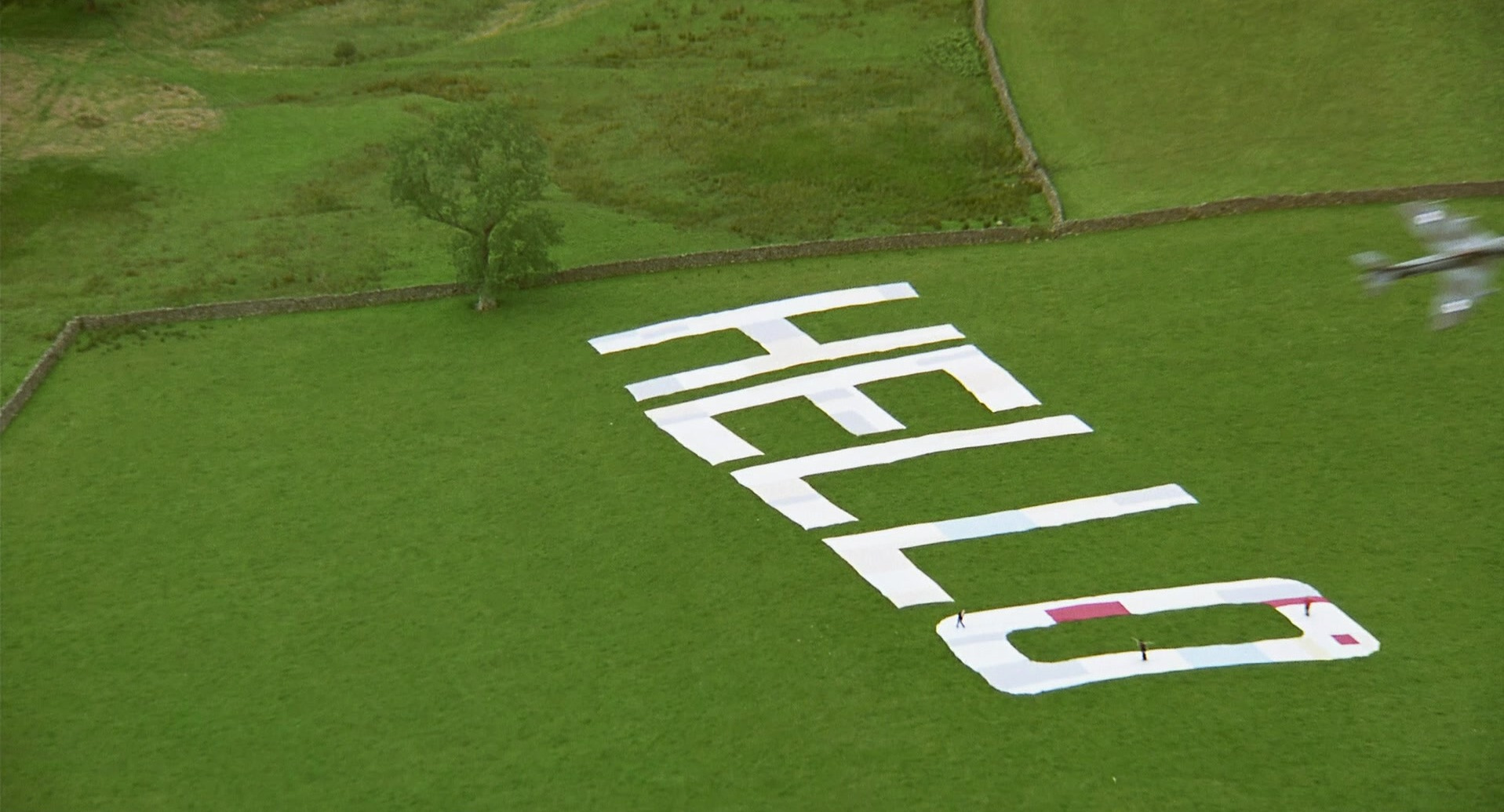
Zombie media is one of the most intriguing horror subgenres to watch. They’re never just zombie movies. While the undead are often portrayed as human flesh–hungry machines, their stories are historically honest reflections of the human psyche. They uncover our fears of societal collapse, loss of control, and moral decay, which force characters to confront impossible ethical choices. In a world overrun by zombies, the real tension comes from human relationships: who can be trusted, who must be abandoned, and how far one is willing to go to protect loved ones. Survival always comes at the cost of empathy. Take the zombies out of a zombie movie, and what remains is usually a story about a dysfunctional family or a coming-of-age tale. Zombies are almost beside the point.
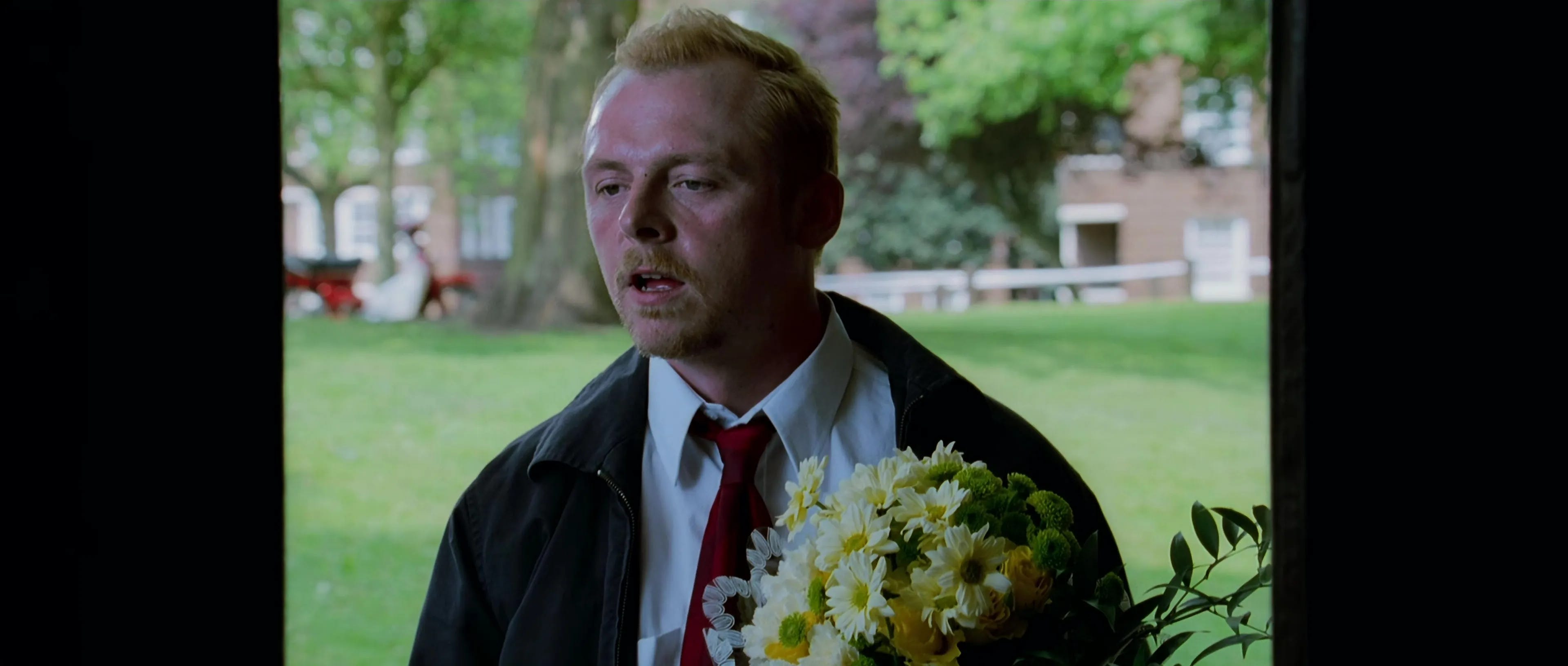
Flowers usually don’t play a big role in zombie movies, but when they show up, it’s impossible to miss them even if only in the background. Watching flowers and other plants grow while zombies stumble around aimlessly makes you notice how life keeps going, even in a world full of death.
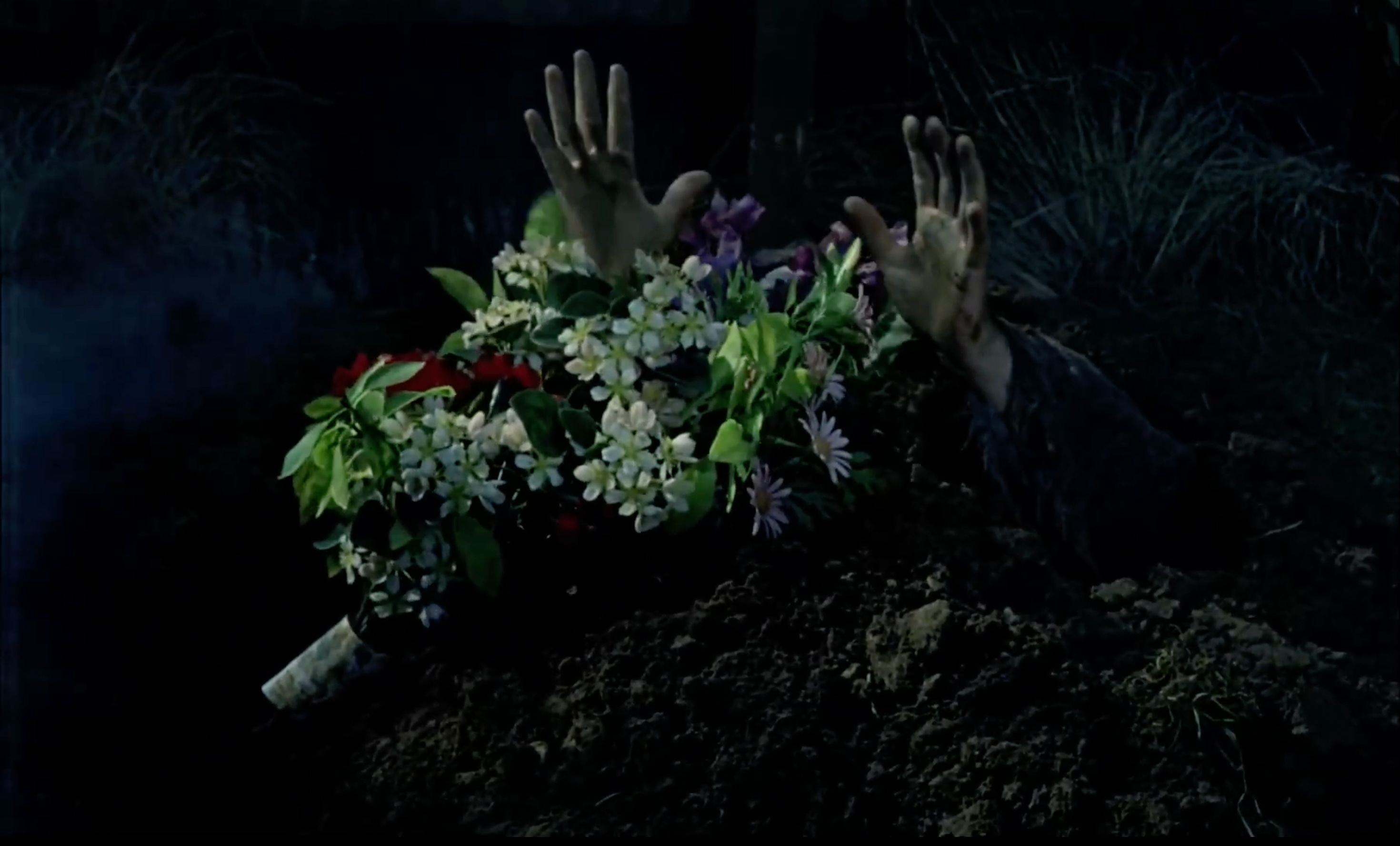
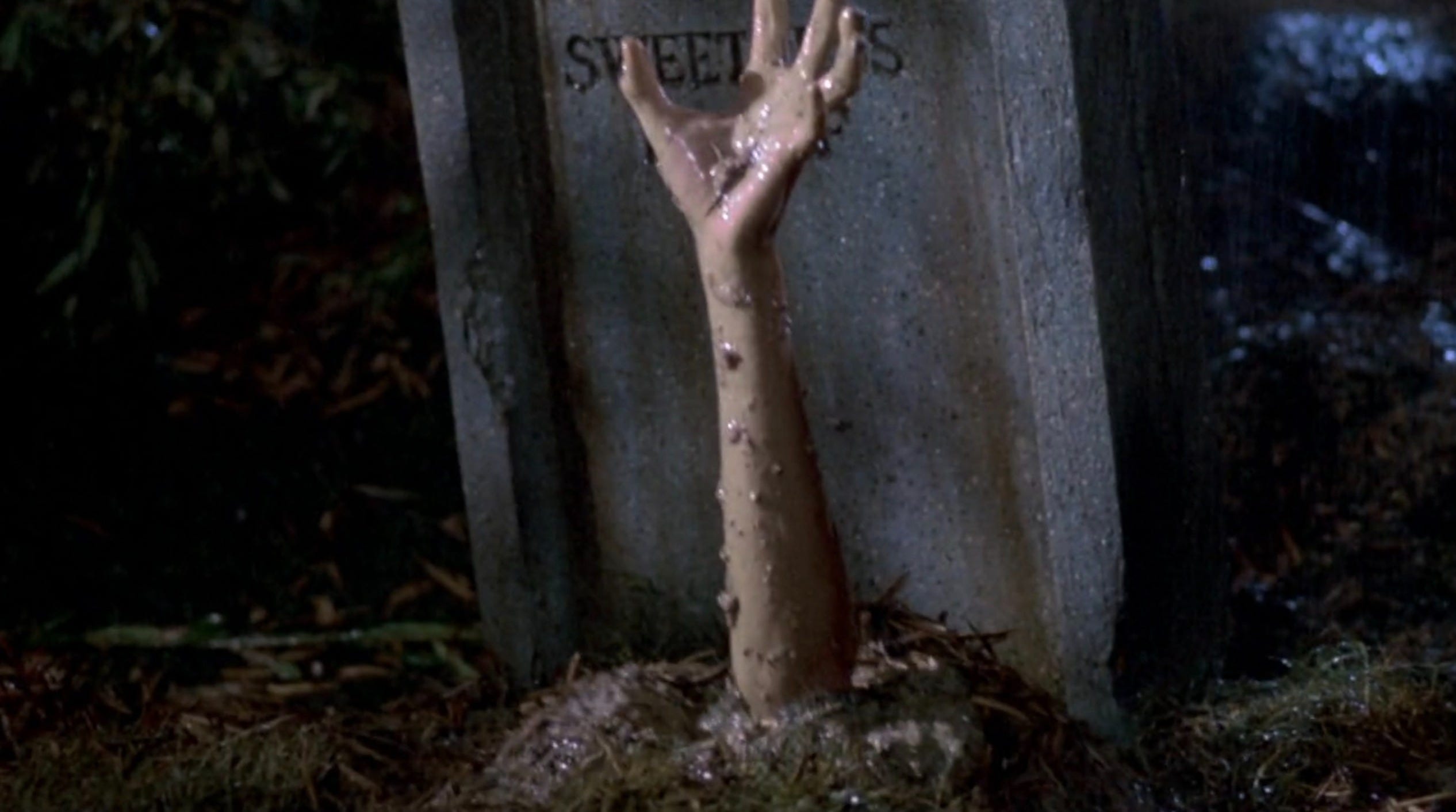
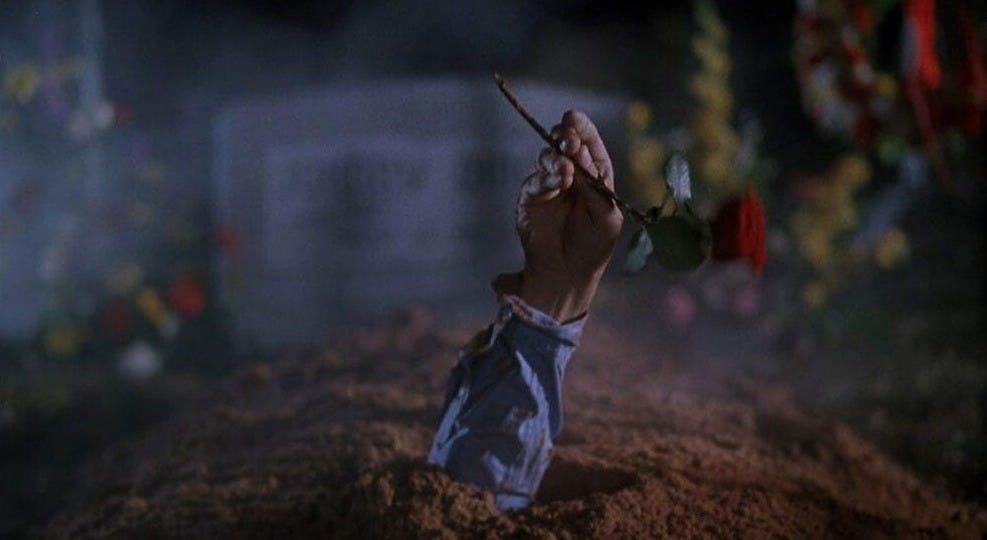
Though most of us can easily envision what a zombie looks like in today’s films, the figure did not begin as a monster but emerged from real historical trauma. The zombie is often stripped of its history and is rarely referenced in zombie movies these days.
The ancient Greeks might have been the first to be scared of the undead and believed they would emerge from the ground at night. Skeletons were discovered that were pinned down in their tombs with rocks and other heavy objects to prevent them from reanimating at a cemetery near the ancient Greek town of Kamarina in southeastern Sicily. 1
Origins of the ‘Zombi’
The word “zombi” first appeared in a U.S. newspaper in the 1838 story The Unknown Painter, and for decades it carried associations with Haitian Vodou and the horrors of slavery.
Zombi rural folklore has existed in Haiti for many centuries, possibly beginning in the 17th century when West African slaves were forced to work on sugarcane plantations, during the period when the country was known as Saint-Domingue under French rule. For those who knew about poisons and powders, suicide was a way to resist. Slave owners saw it as the worst kind of theft because they lost both labor and what they considered their property. In a world where nearly every aspect of life was controlled, taking one’s own life was sometimes the only way a person could reclaim control over their body. Becoming a zombi might have stopped that. A zombi is a dead person who cannot reach Lan Ginee, or West Africa, where the final rest is. There are no sugarcane fields to work in and no master to serve there.
In traditional Voodoo belief, in order to get back to lan guinée, one must be transported there by Baron Samedi, the lord of the cemetery and one of the darkest and most complicated of the religion’s many complicated gods. Baron is customarily dressed in a business jacket, a top hat and dark glasses; he’s foul-mouthed and comic in a low, vicious way. One of Baron’s spiritual functions, his most important, is to dig a person’s grave and welcome him to the other side. If for some reason a person has thwarted or offended Baron, the god will not allow that person, upon his death, to reach guinée. Then you’re a zombie. Some other lucky mortal can control you, it is believed. You’ll do the bidding of your master without question.
After the Haitian Revolution in 1804 and the collapse of French colonial rule, the zombie emerged as an enduring part of Haitian folklore.
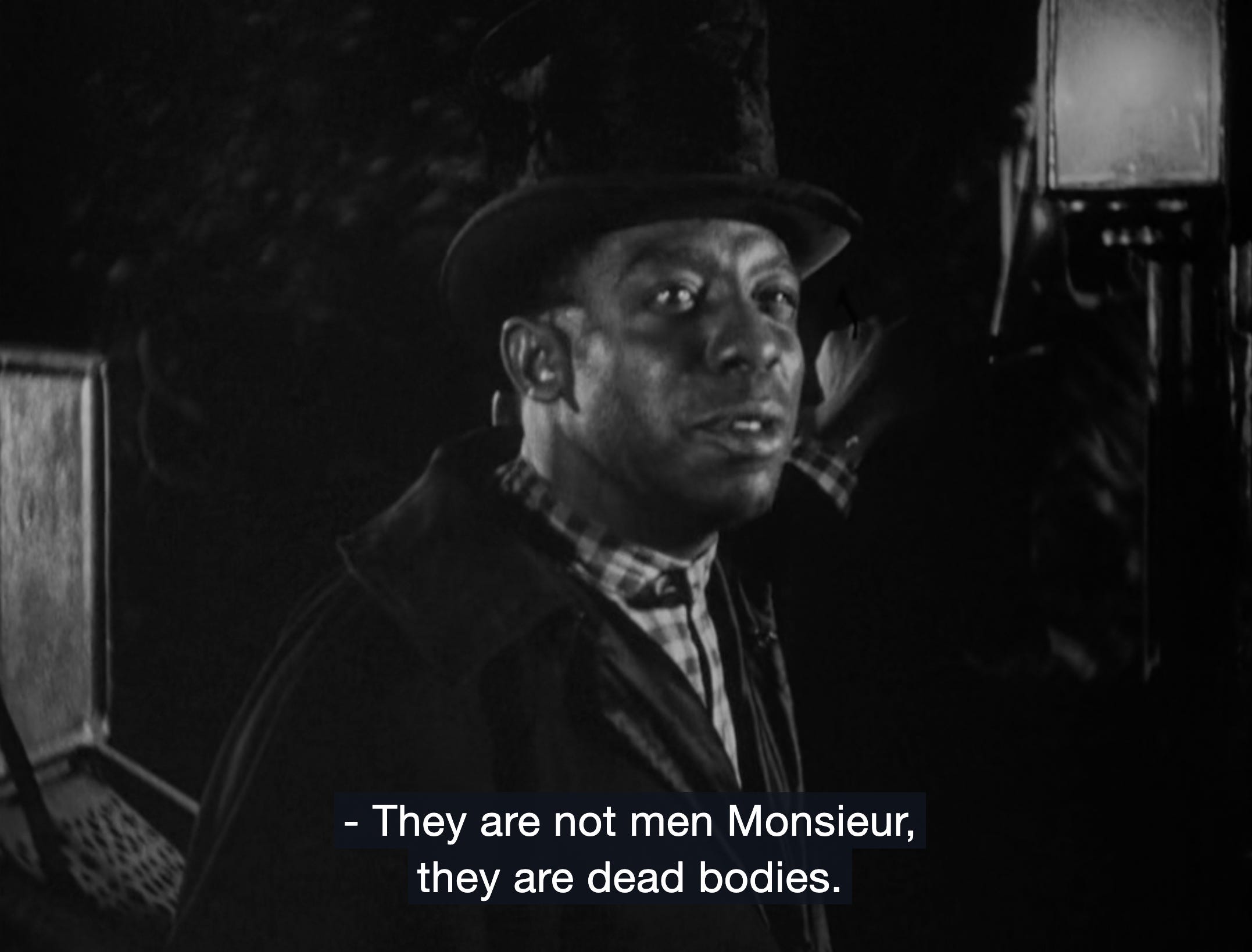
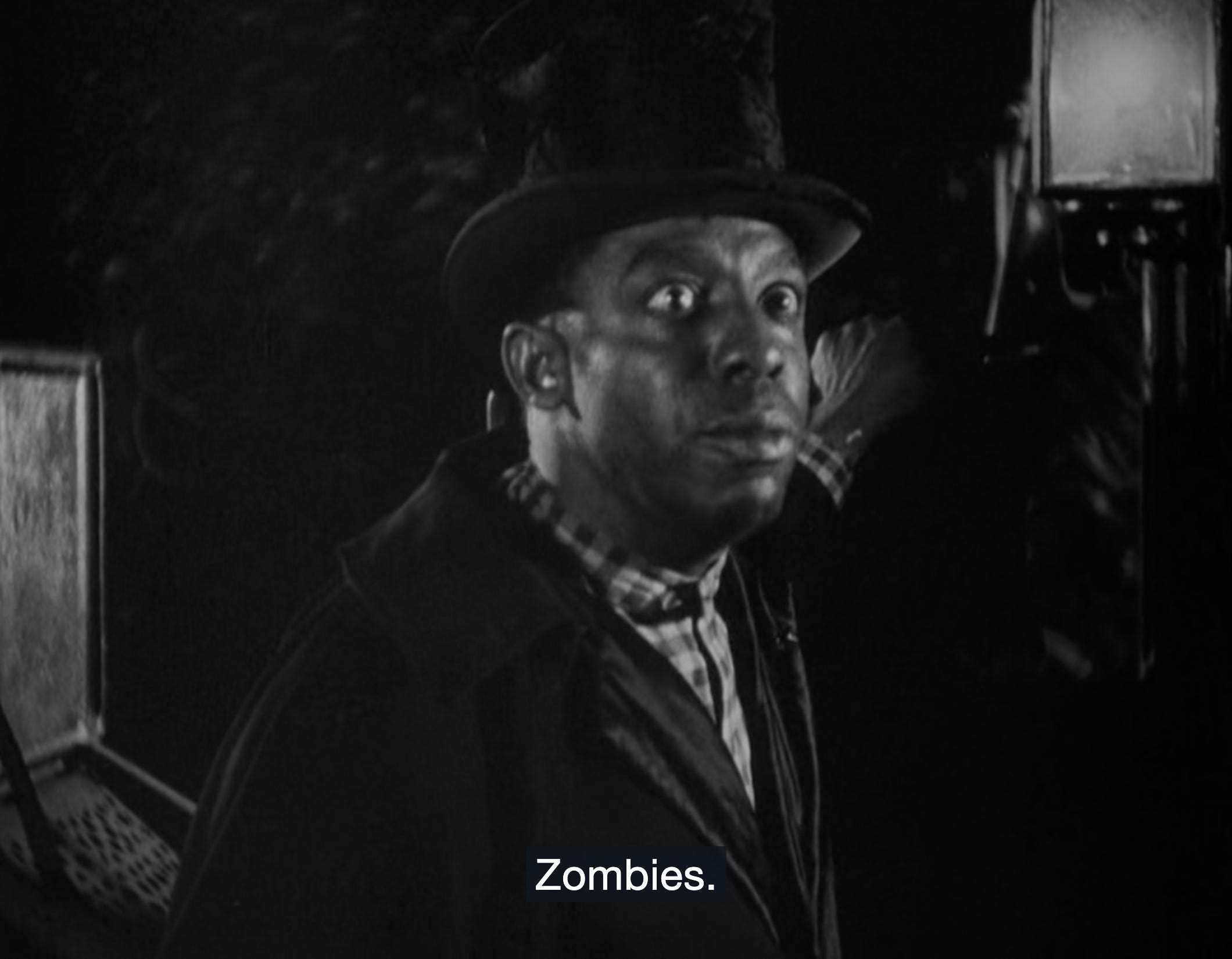
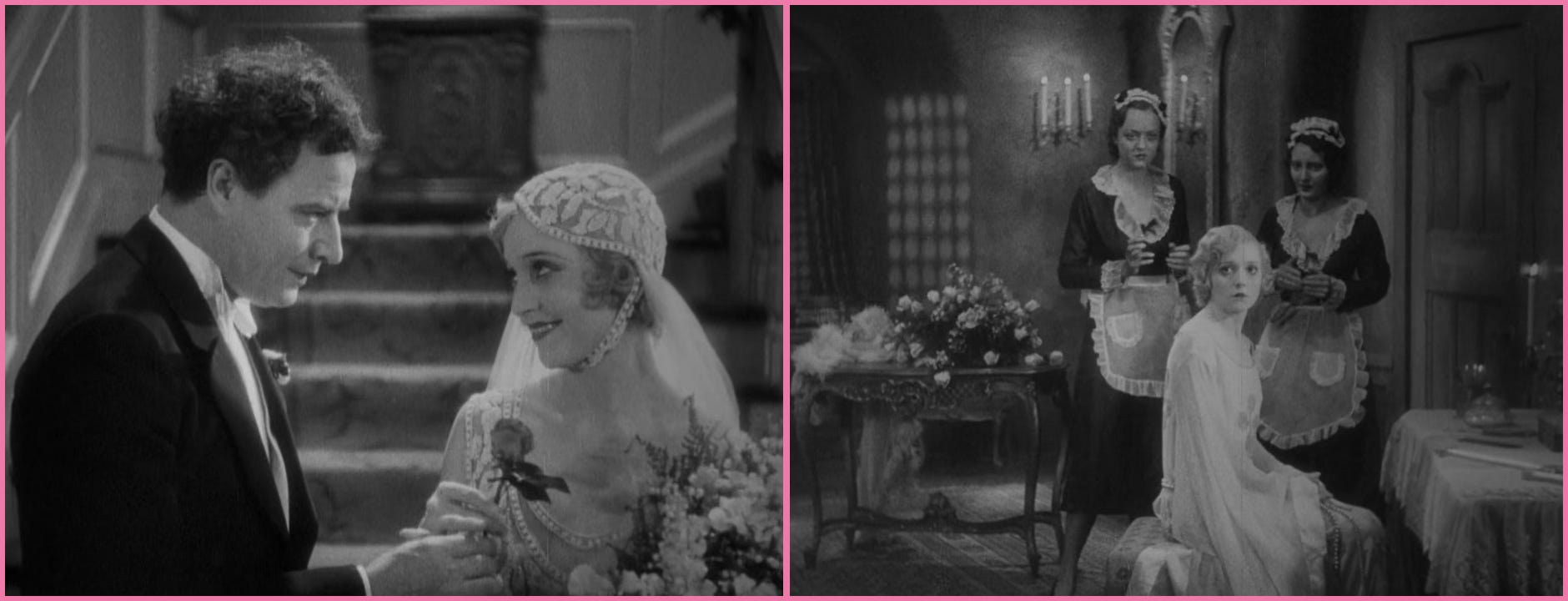
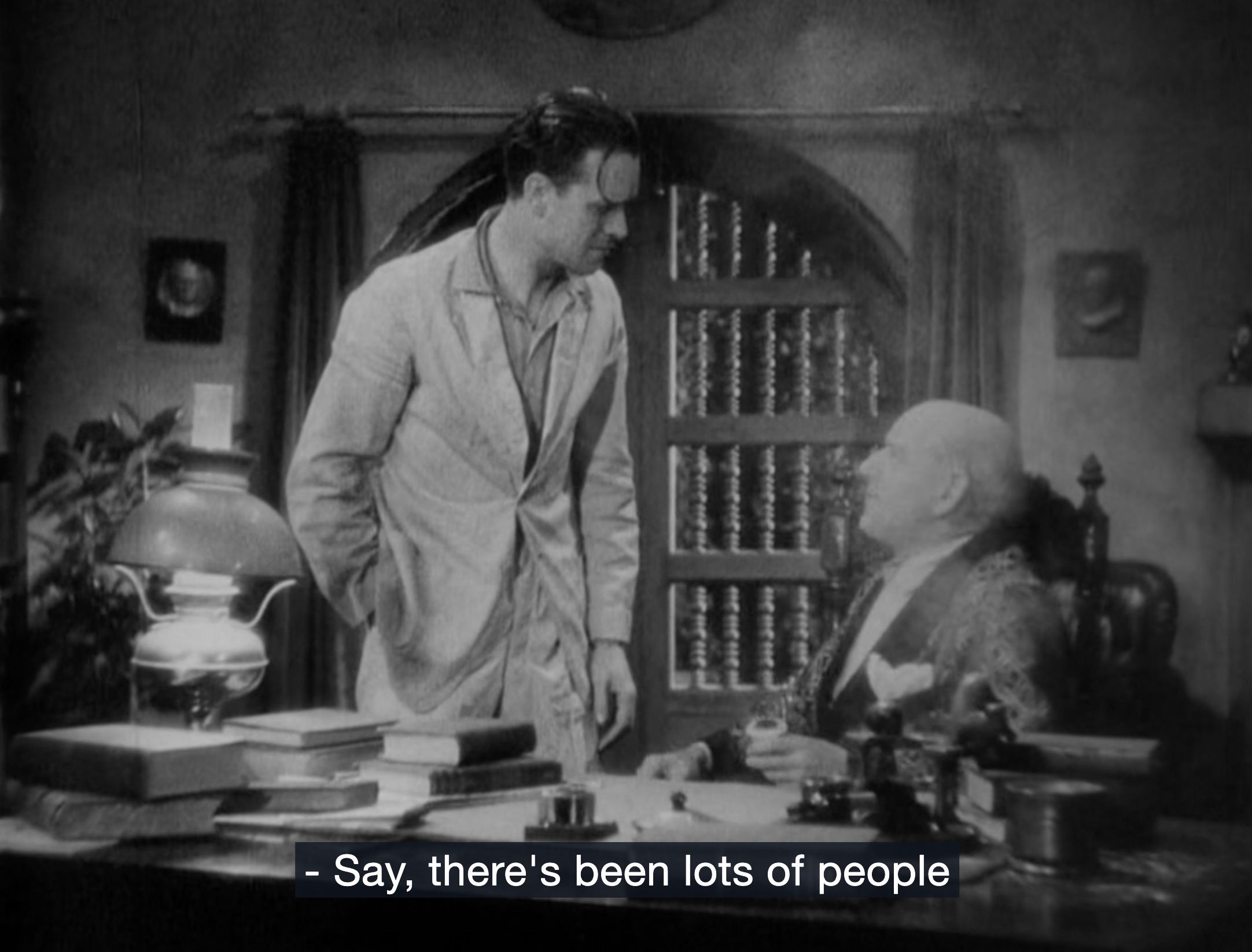
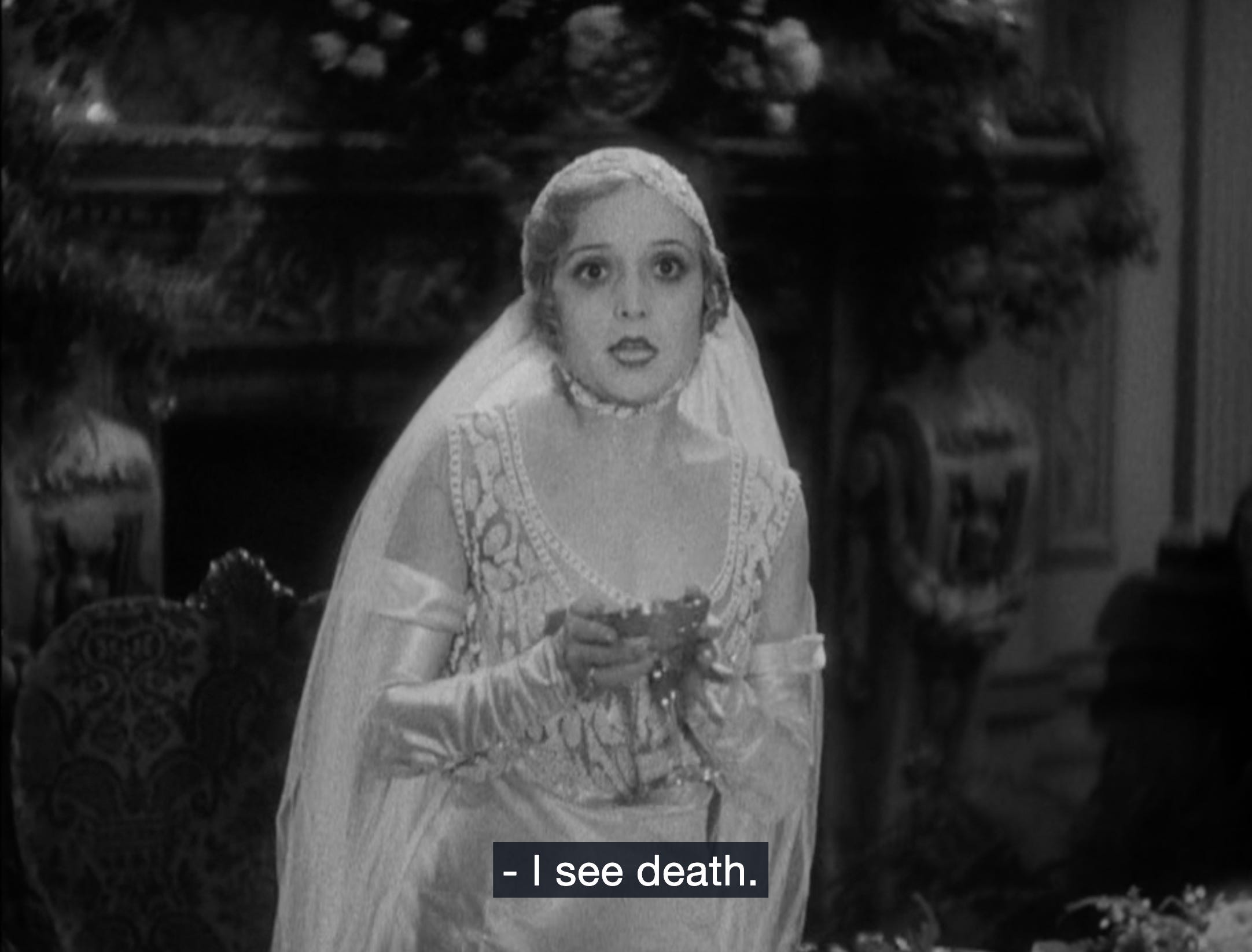
The White Zombie (1932), starring Bela Lugosi and Madge Bellamy, is known to be the first film to feature zombies as antagonists. It arrived near the same time alongside other monster classics such as Frankenstein and Dracula. The film is also the first to use the word “zombie”. The film tells a story of a young woman who is kidnapped by a voodoo master who turns people into mindless zombies. Her fiancé now has to confront dark magic and the undead to save her. While the movie was a success, it did not immediately create a chain of zombie films.
Early depictions often focused on tropical settings, Vodou curses, and fears of losing control, as seen in Ouanga2 (1936) and I Walked with a Zombie (1943)3, rather than flesh eating monsters. It was not until 1968…
More resources:
New York Times | A Zombie Is a Slave Forever
PBS Storied | The Origins of the Zombie, from Haiti to the U.S.
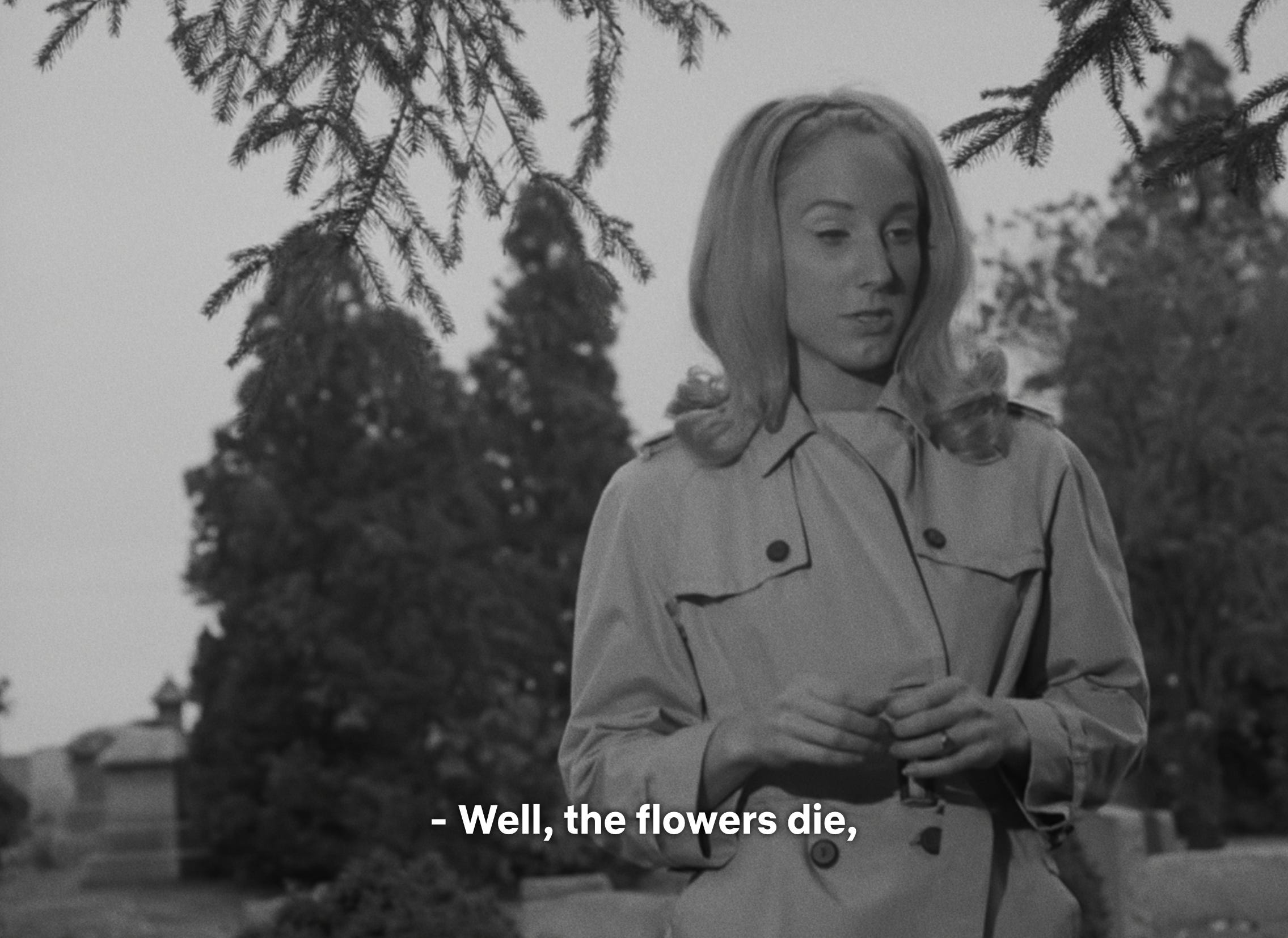
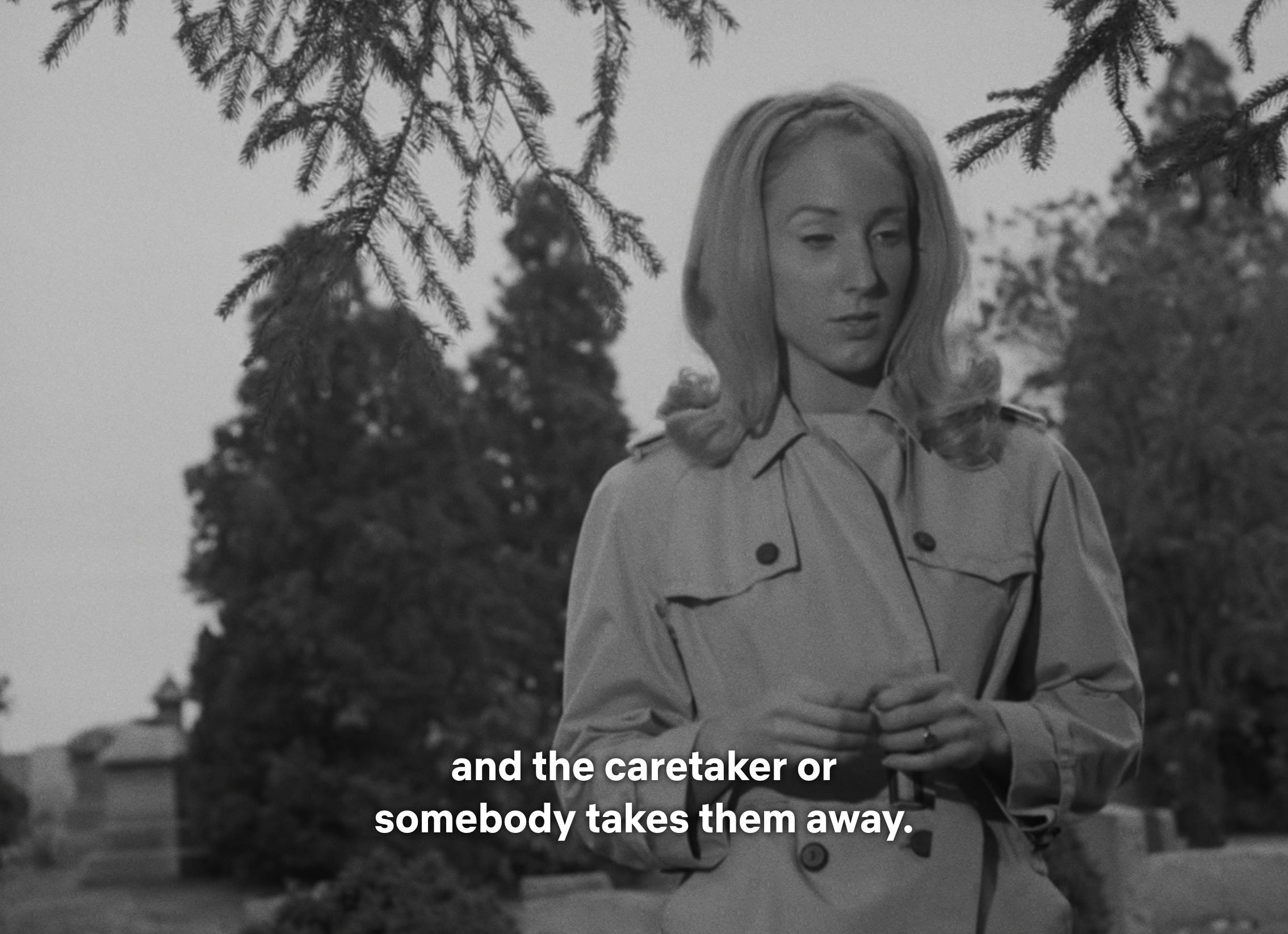
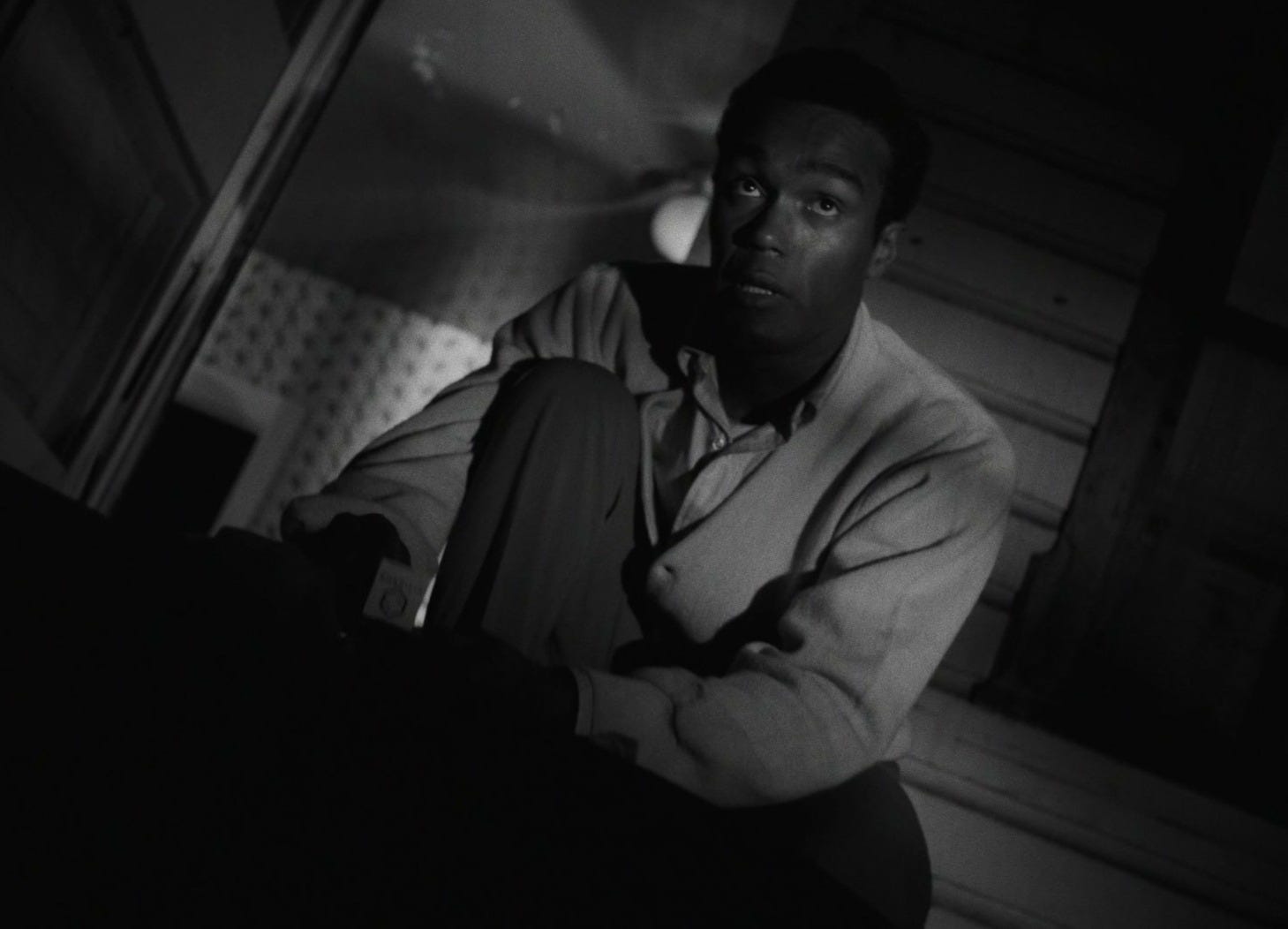
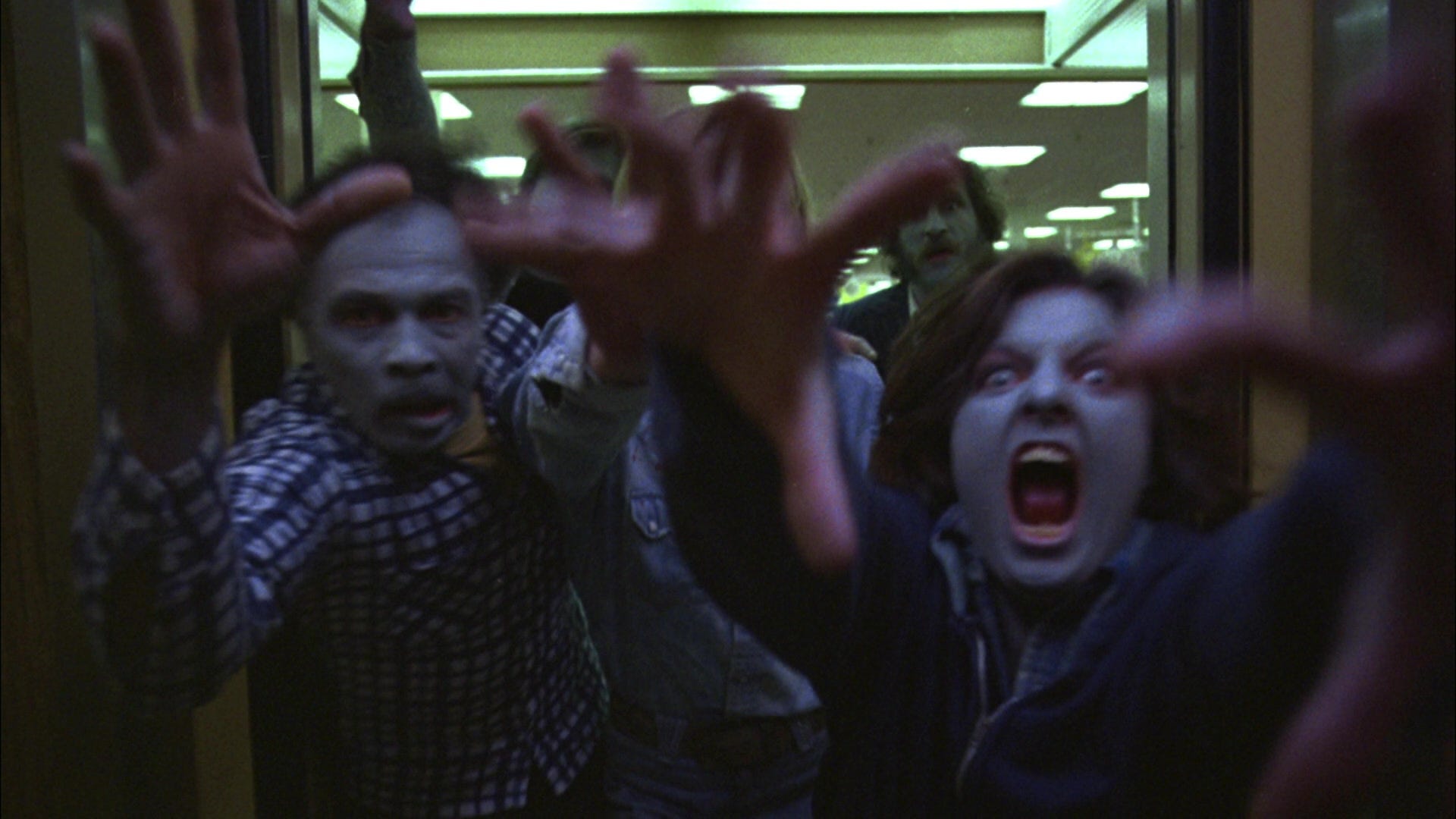
George A. Romero completely changed the way we think about zombies with Night of the Living Dead in 1968. His later films, Dawn of the Dead (1978) and Day of the Dead (1985), built on that world and added more layers to the mythology. Romero turned zombies from servants of Vodou into flesh-eating, reanimated humans, basically writing the rules for modern zombie horror. In Romero’s film the undead are slow, contagious, and answer to no human master. The only way to stop kill them is a headshot. It has to be the head!
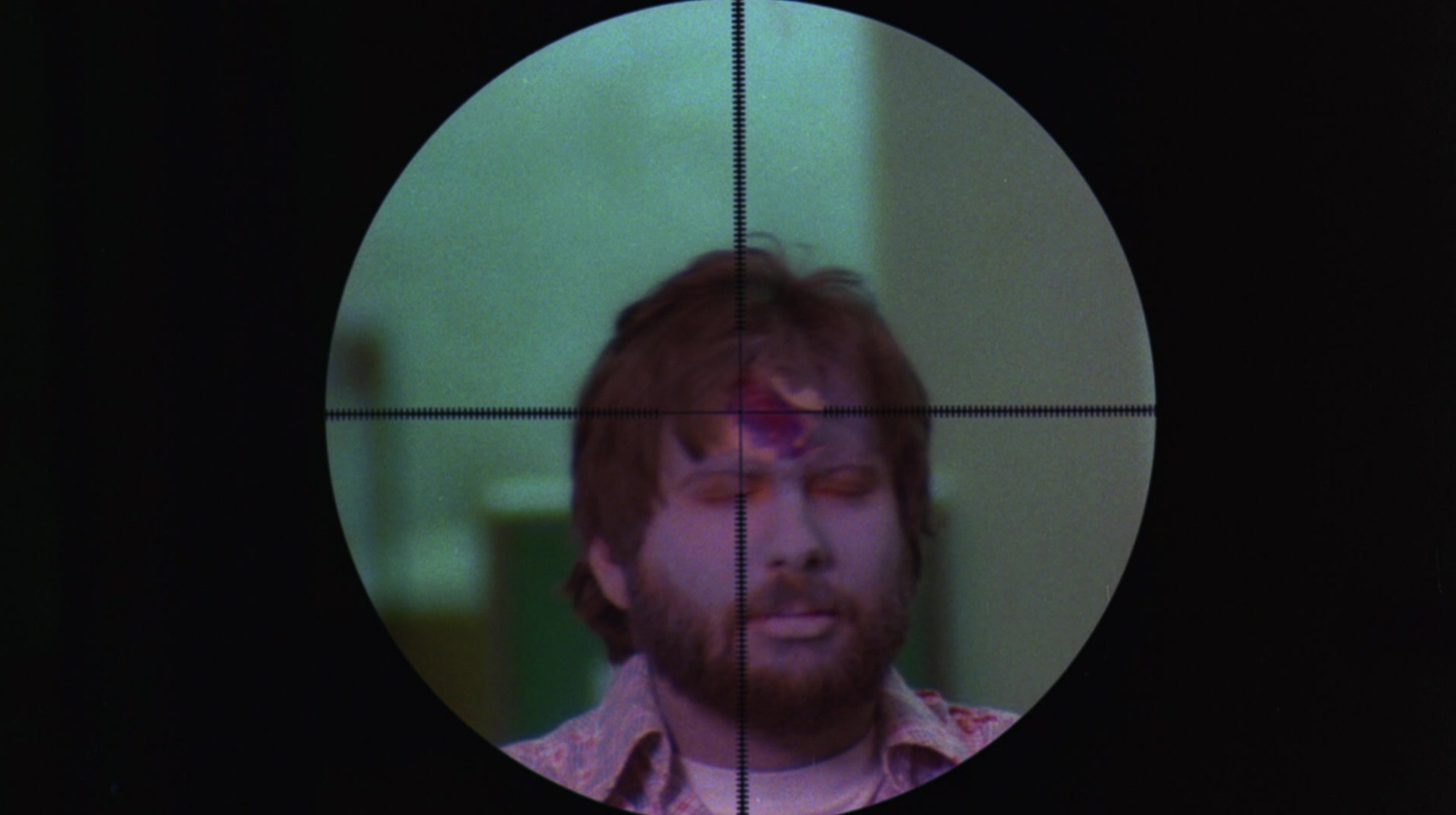
The film also introduced Romero’s commentary on societal decay and race. From then on zombie movies became a natural vehicle for social commentary. Romero cast Duane Jones4, who is a Black actor, as a main character, and audiences interpreted his role in the context of the civil rights movement. Romero has said that the night they finished editing the movie, he heard the news of Martin Luther King’s assassination.5
Interestingly, the word zombie is never spoken in Romero’s film. The undead are called “ghouls,” inspired in part by the vampires in Richard Matheson’s 1954 novel I Am Legend, a story about a city ravaged by a virus. Overtime Romero eventually called them zombies because other people just started calling them that, and it just stuck.
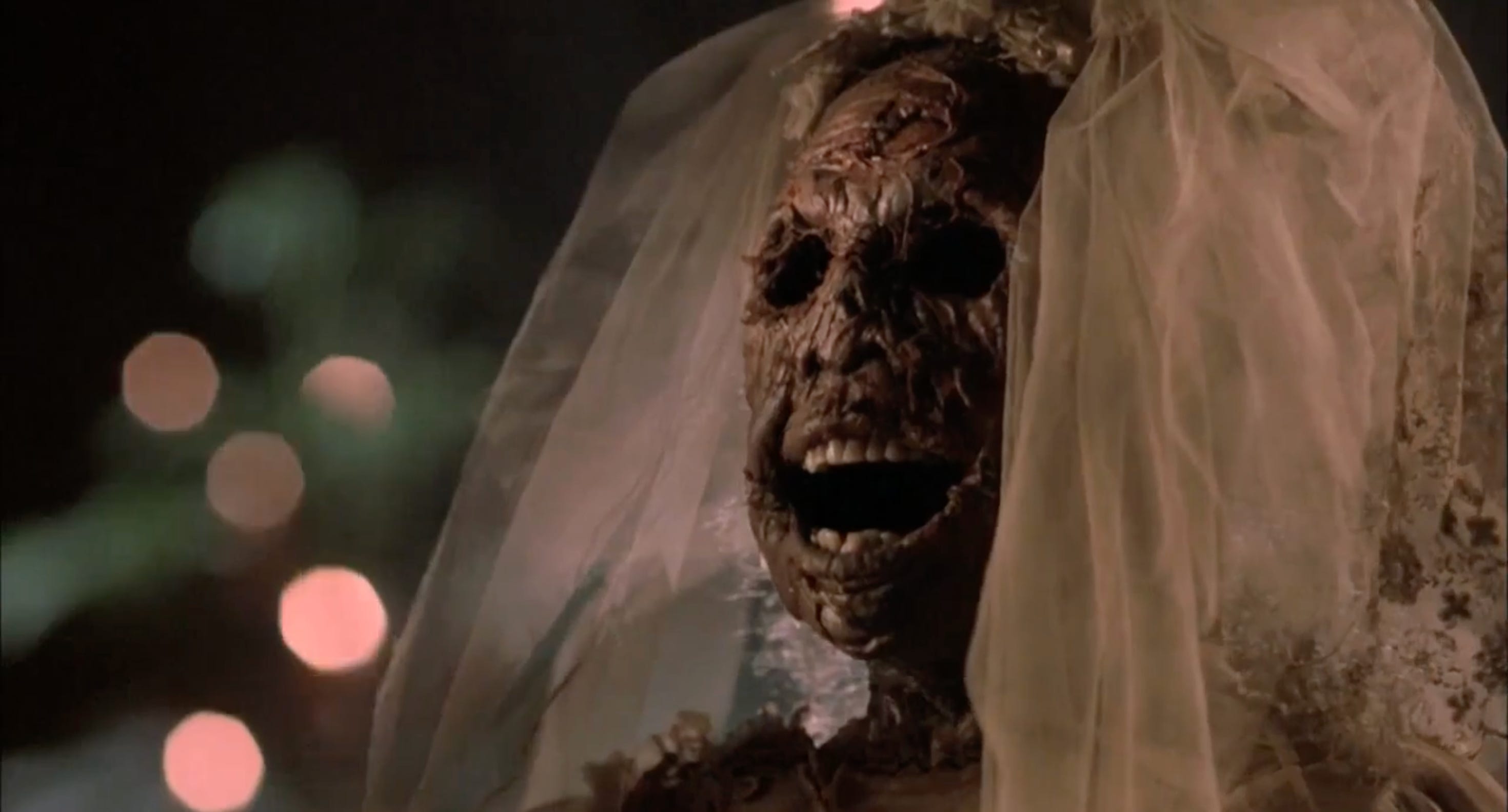
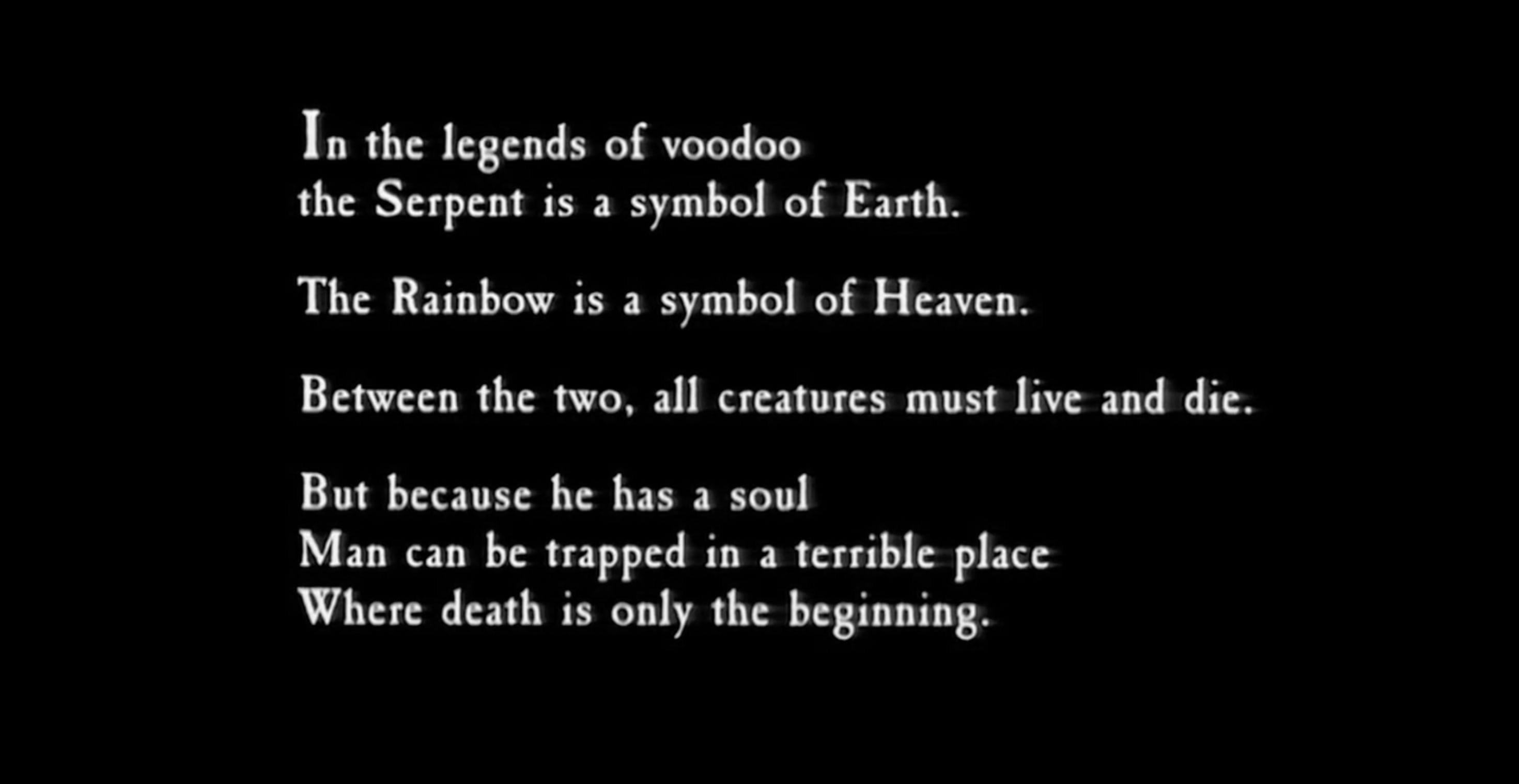
Wes Craven released The Serpent and the Rainbow in 1988, a film that draws on the real-world origins of the zombie. It touches on Vodou, powerful powders, and the people stripped of their free will. The film is loosely based on Wade Davis’s 1985 book of the same name, where he examines Haitian Vodou and the cultural roots of the zombie.
More resources:
Wildflowers
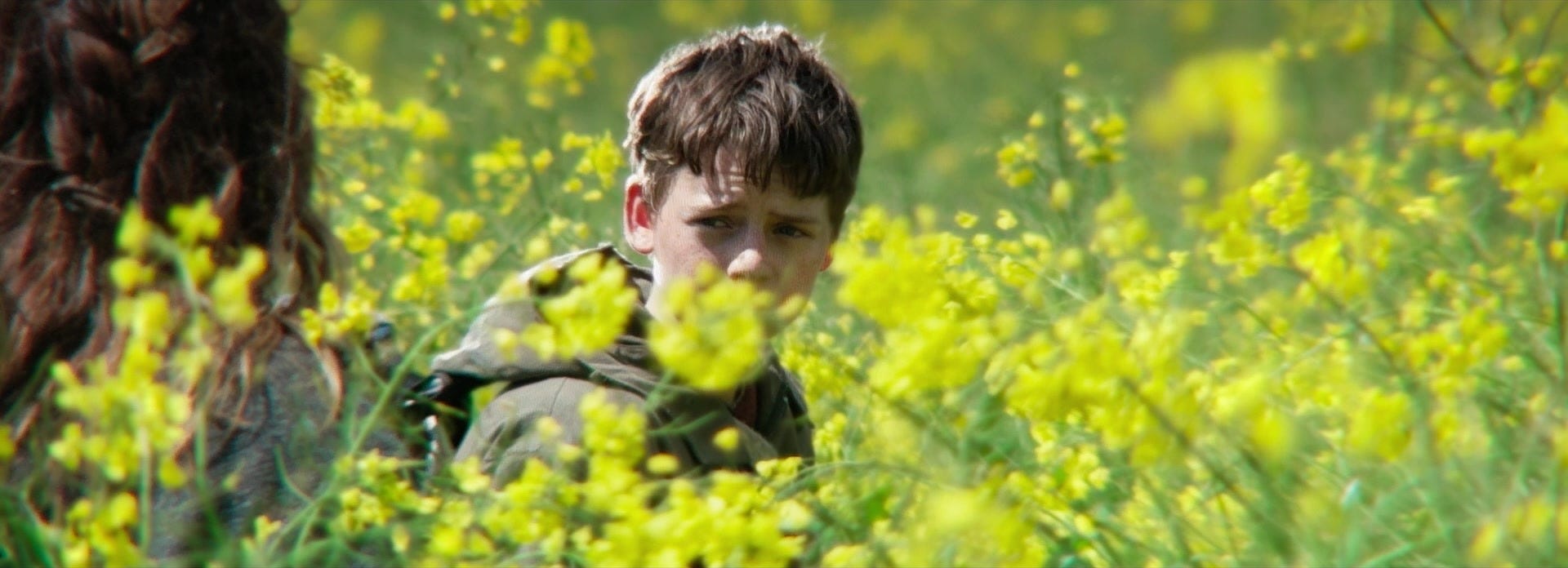
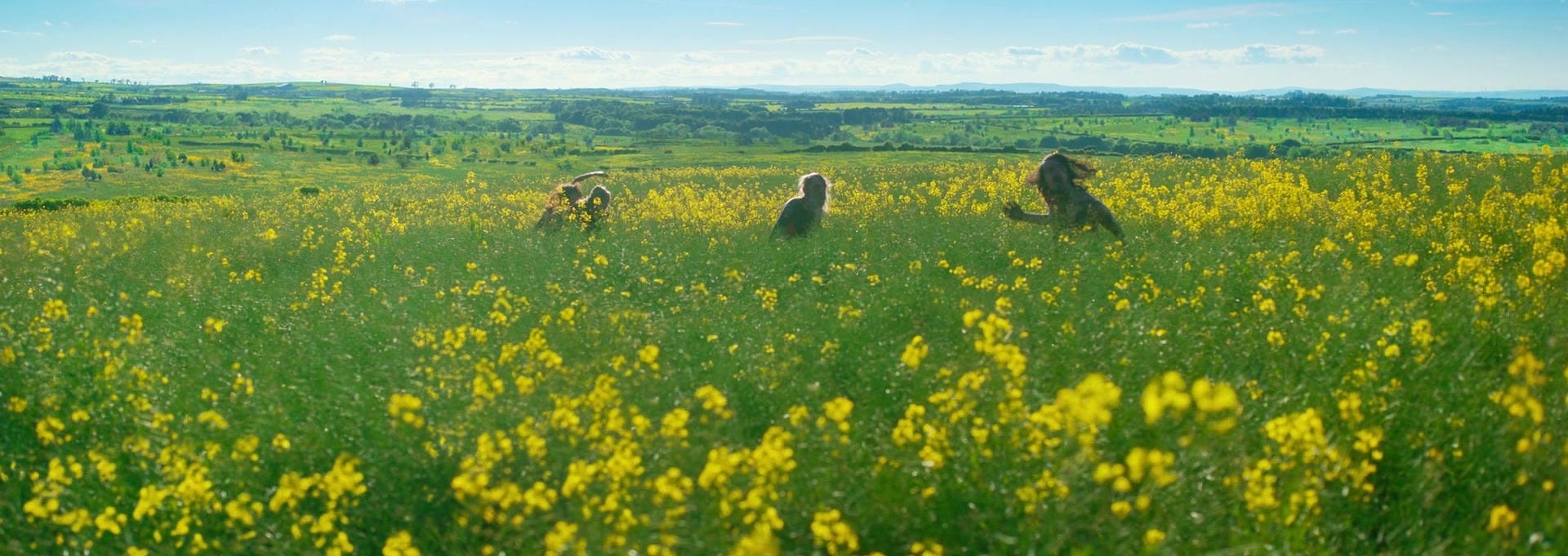
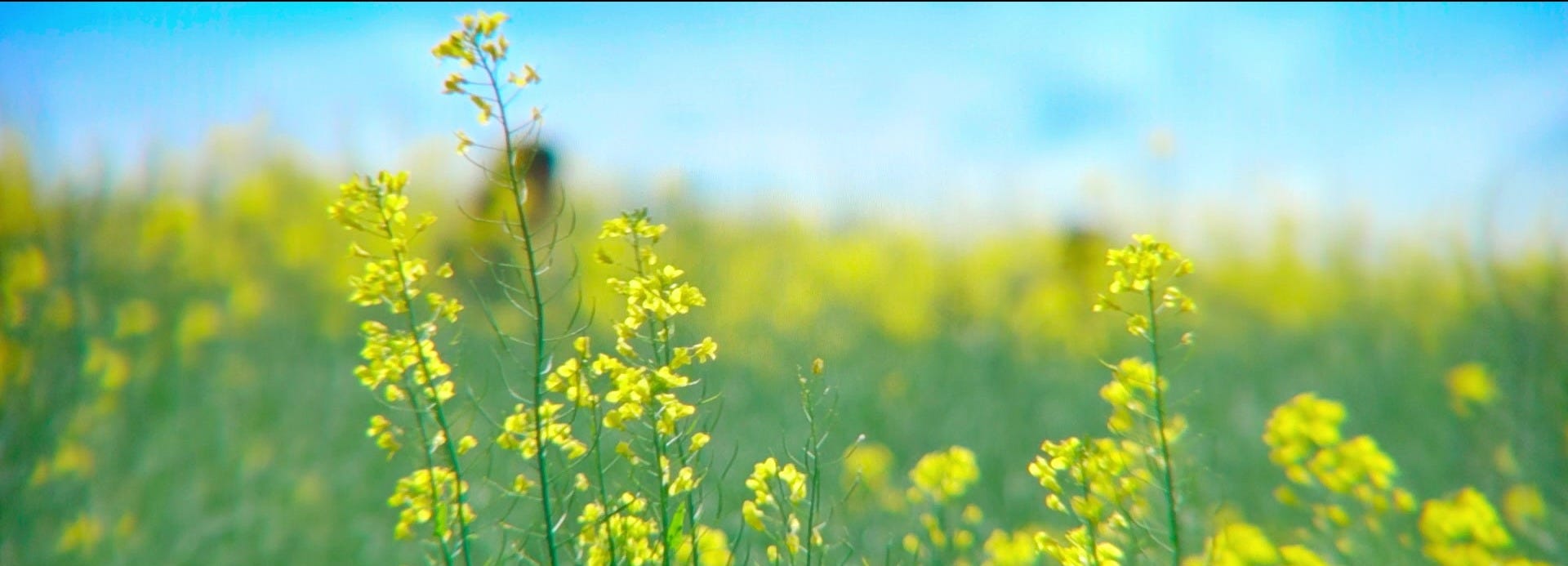
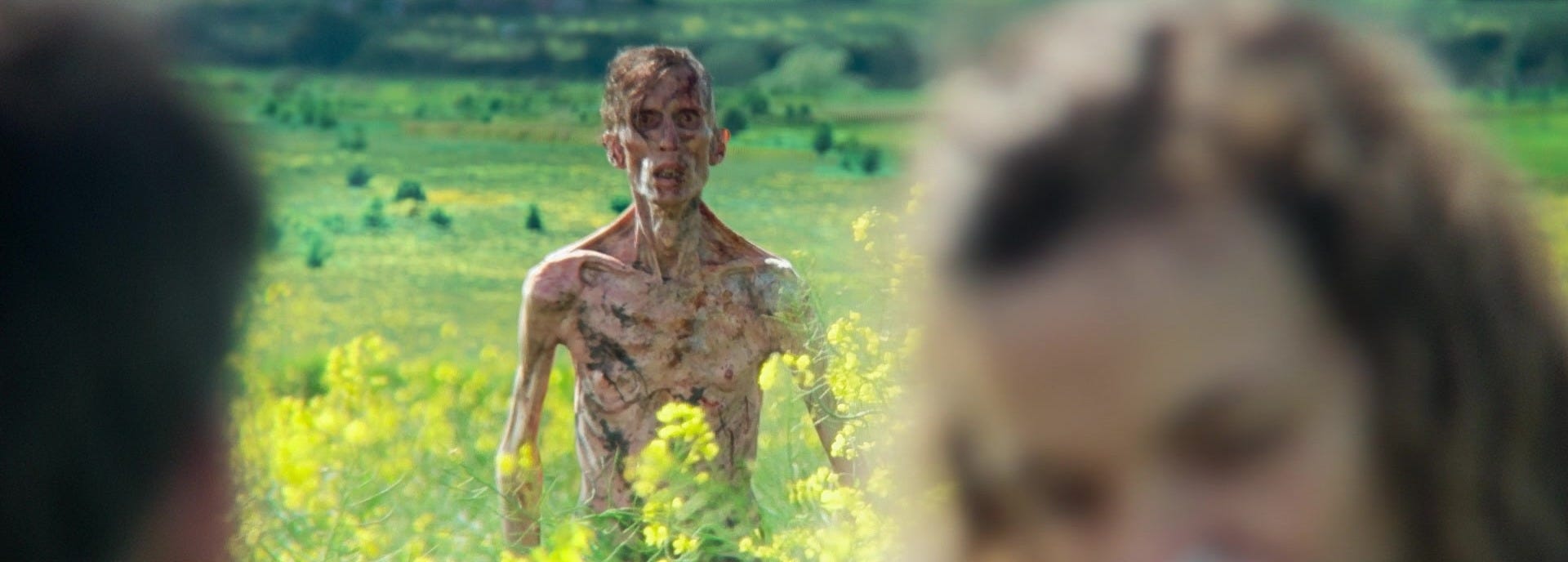
This is my favorite scene in 28 Years Later (2025) because it feels so different from the rest of the franchise. The setting is almost too yellow, too cheerful or too alive. A huge field of yellow flowers is still thriving long after society has long gone. The violence feels even crueler when the infected appear somewhere that looks so calm and beautiful. I’m not sure what these yellow flower these are? Are they canolas?
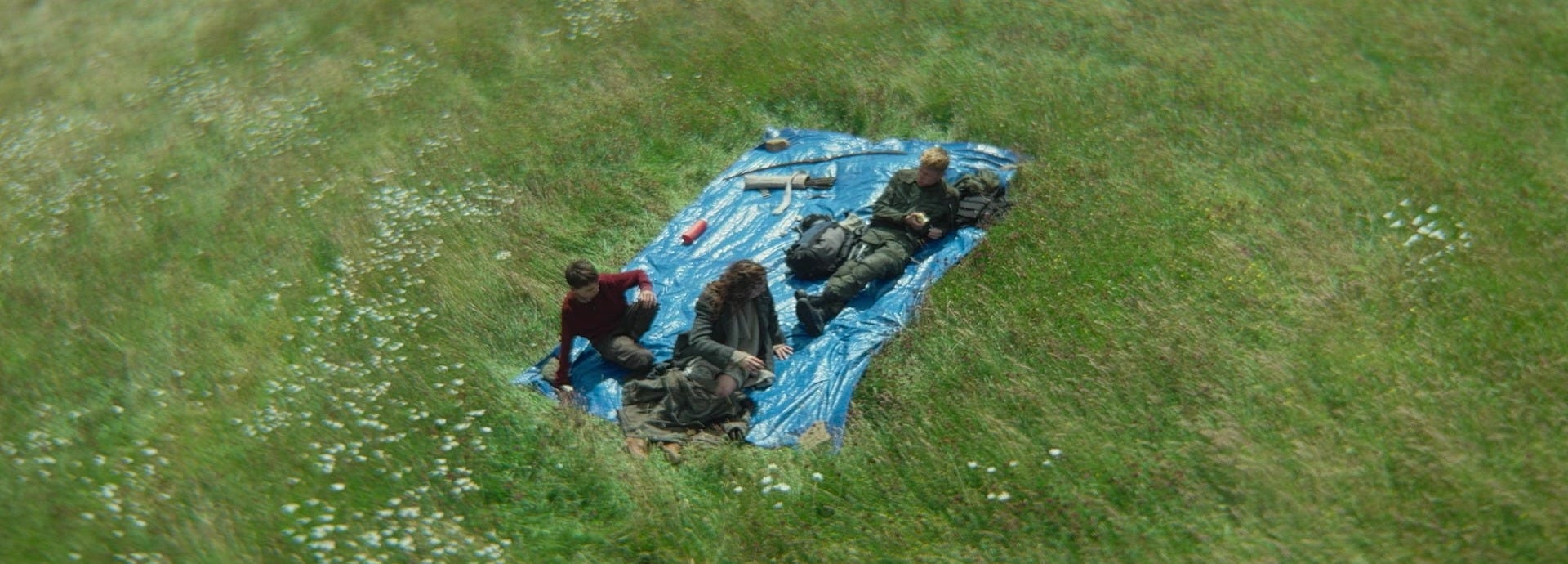
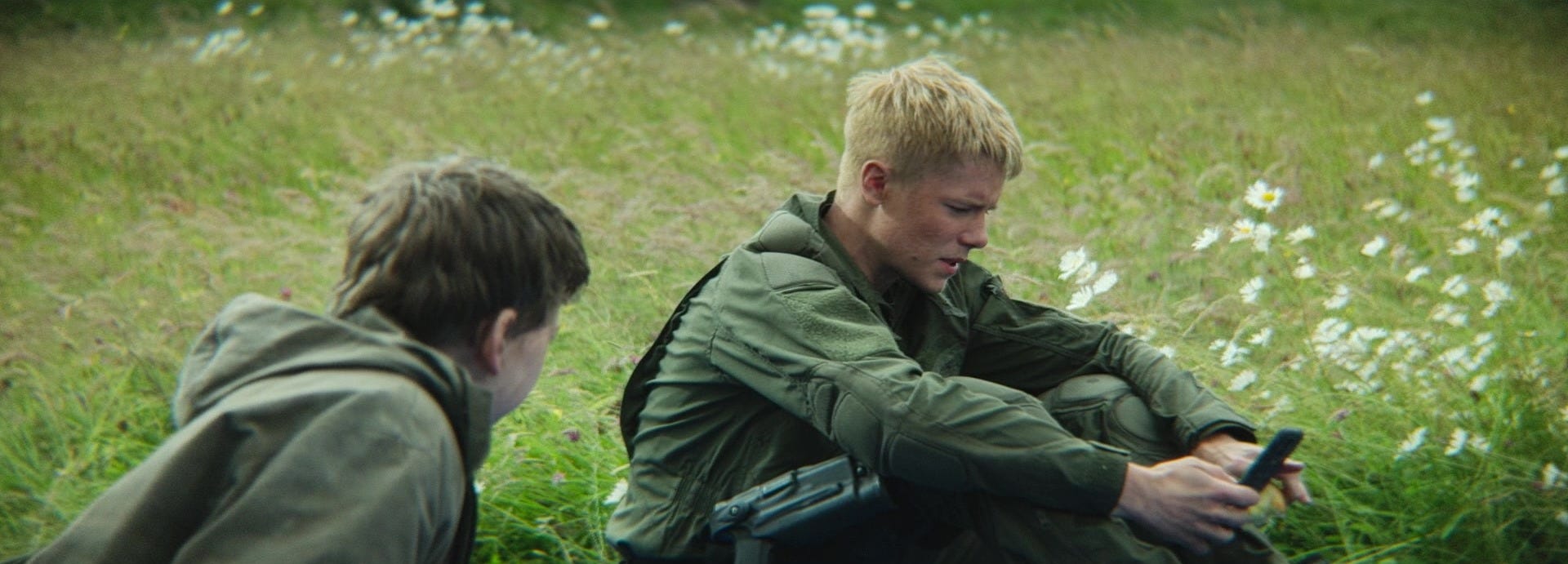
I love wildflowers so much. They always catch my eye because they stand out against a world of gray and decay. Wildflowers grow on their own, without being planted or cared for. They exist without intention or meaning. In zombie movies, they feel unsettling but still beautiful because they represent life that doesn’t need humans. They don’t mourn the collapse of humanity. They just keep growing.
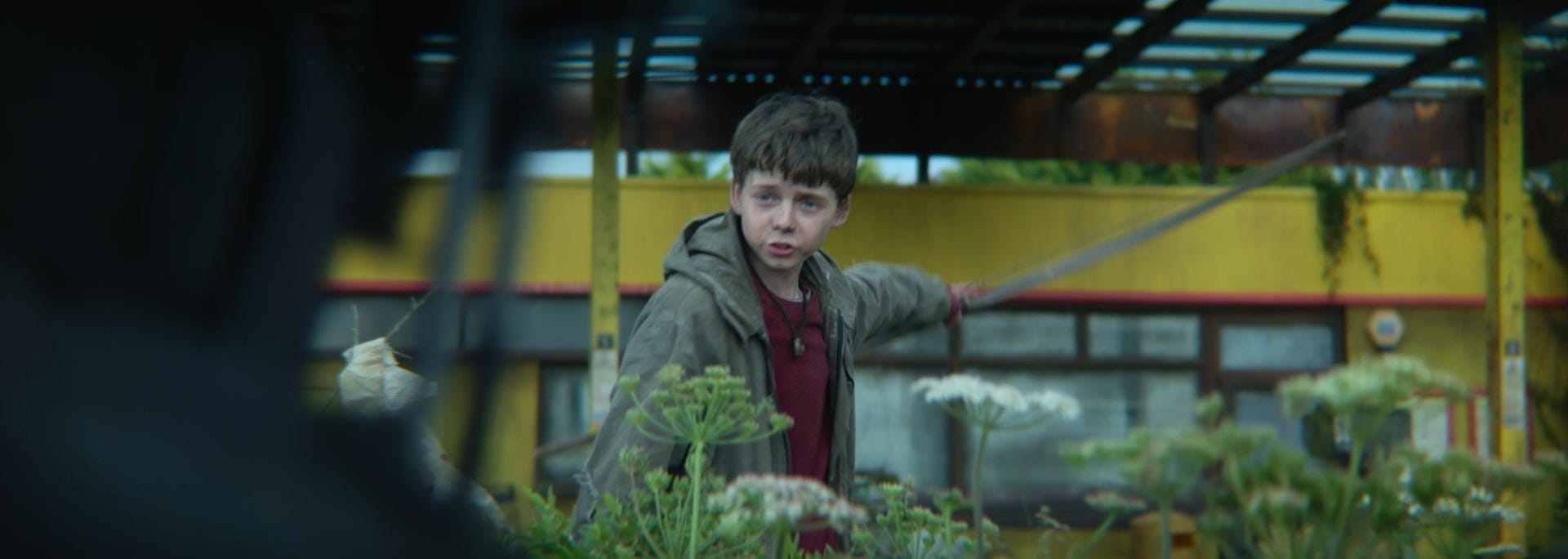
I especially love the close-up shots in 28 Years Later (2025) of wildflowers growing everywhere, like daisies and Queen Anne’s Lace. I love how Queen Anne’s lace stands out in this shot (image above), just as twelve-year-old Spike discovers another person after arriving on the Britain mainland. The flowers give the scene a feeling of safety, which reflects his youth and vulnerability. Queen Anne’s Lace is often associated with sanctuary and protection. Beyond symbolism, it also plays an important role in the ecosystem, serving as a food source for insects and pollinators.
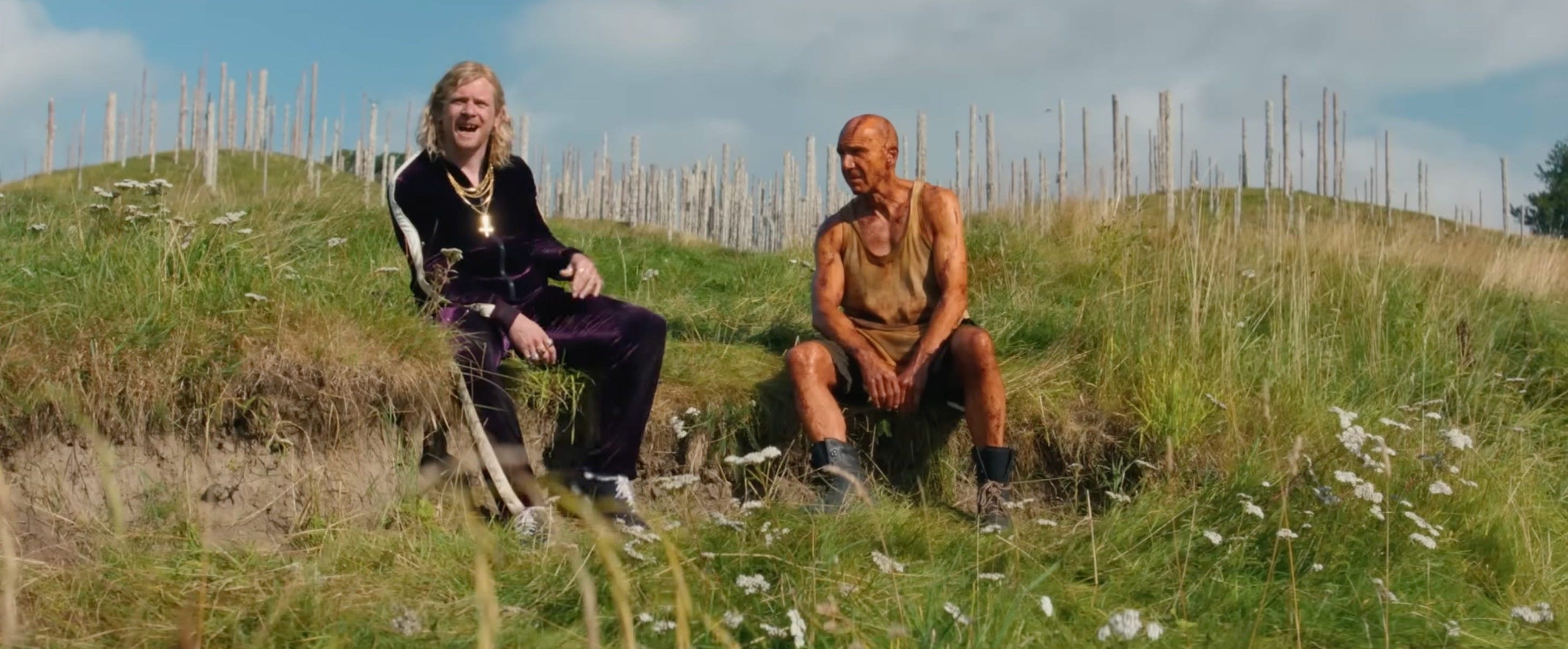
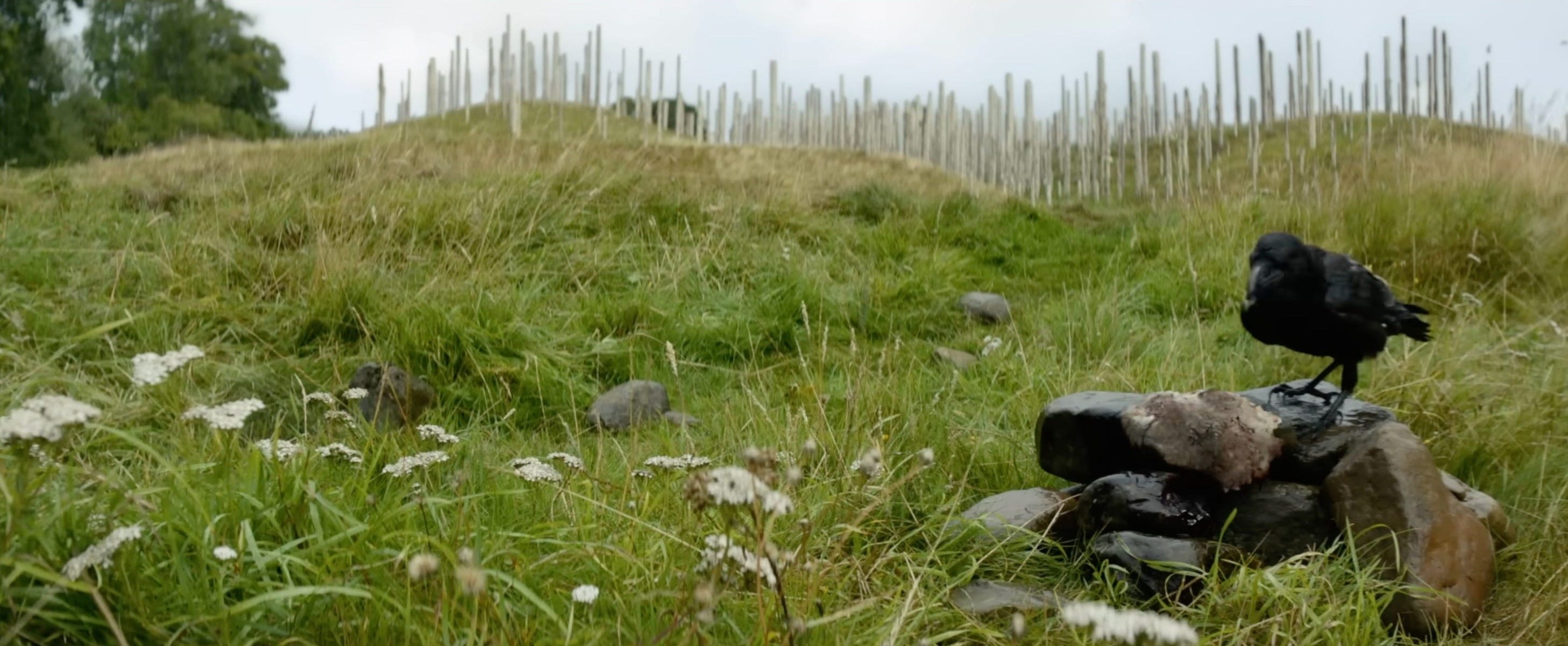
I had the idea to write this a week before planning on watching the new 28 Years Later: The Bone Temple. I liked the idea of writing about flowers thriving in a ruined world. This new movie had plenty of wildflowers as well, especially around Dr. Ian Kelso’s memento mori.
The Walking Dead Universe
I know it’s kind of obvious to bring up The Walking Dead when talking about zombies, but the show completely consumed my life from 2010 to 2017. My interest in the show quickly left when one of my favorite characters was killed off by Negan with a barbed-wire-wrapped baseball bat… I already knew it was going to happen, but seeing it on TV was still depressing. I feel like many people stopped watching after that episode, and tbh the show started going downhill from there. Though I don’t keep up with the multitude of spin-offs the show has created over the years, the show created my longtime interest in zombie media. Funnily enough, I have only watched the series once, which was when I watched it the first time. It’s not a show I revisit a lot. Warning: spoilers below


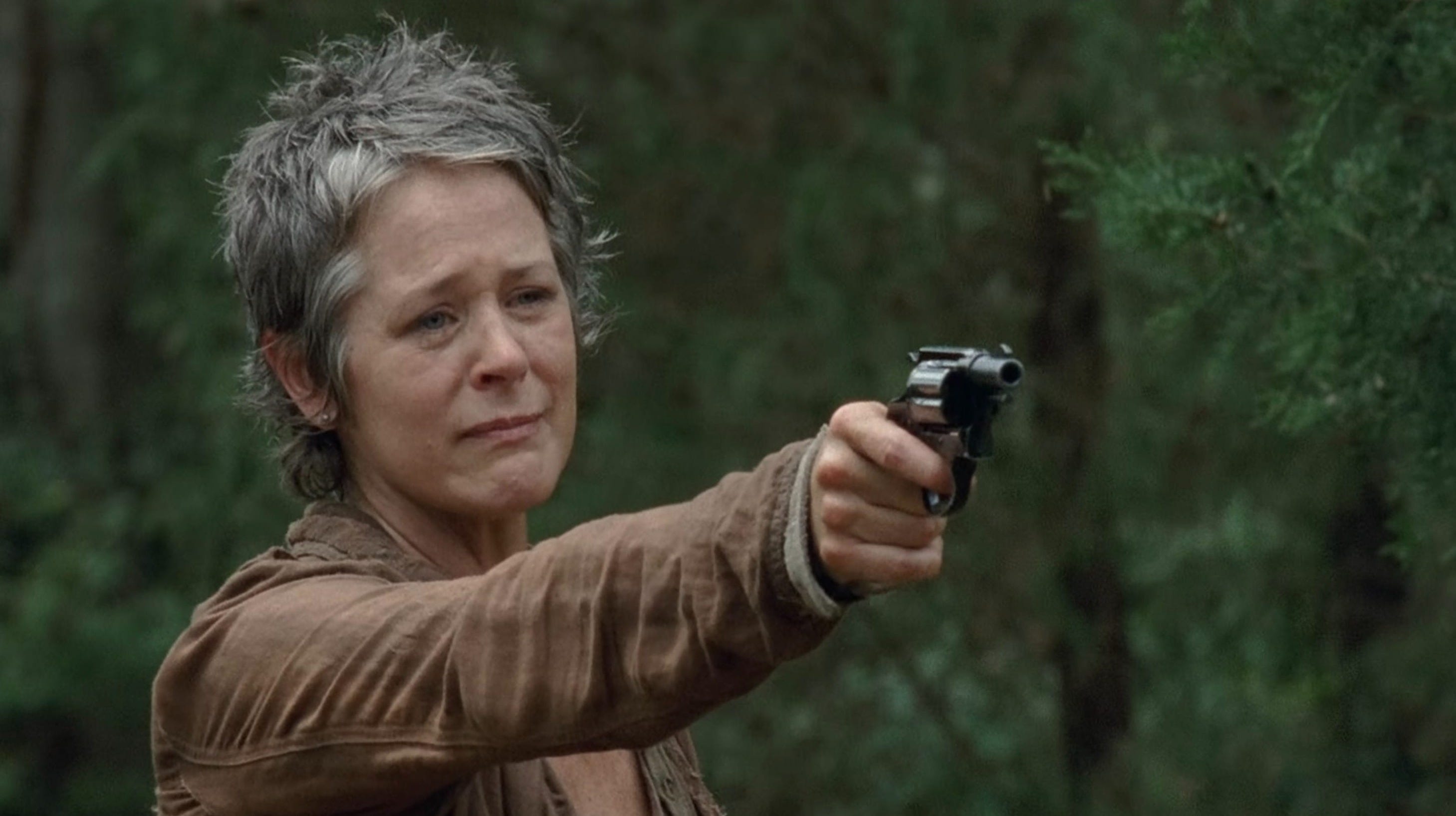
A scene in The Walking Dead that has always stuck with me is from Season 4, Episode 14, “The Grove.” In this episode, Carol is forced to make a difficult choice when she shoots a young girl named Lizzie.
Lizzie just killed her younger sister, Mika, because she doesn’t fully understand what death really means. She believes zombies are still “people” and thinks that killing Mika will somehow bring her back to life. Lizzie’s view of the world is shaped by the constant violence, and she can’t tell the difference between life and death anymore.
Carol realizes that Lizzie is a danger to everyone around her. Even though it devastates her, she believes there is no other option. She decides to take Lizzie outside and tells her to “just look at the flowers.” Carol then shoots her in the back of the head. The silence that follows the gunshot makes it clear that survival in this world often comes at the cost of innocence.
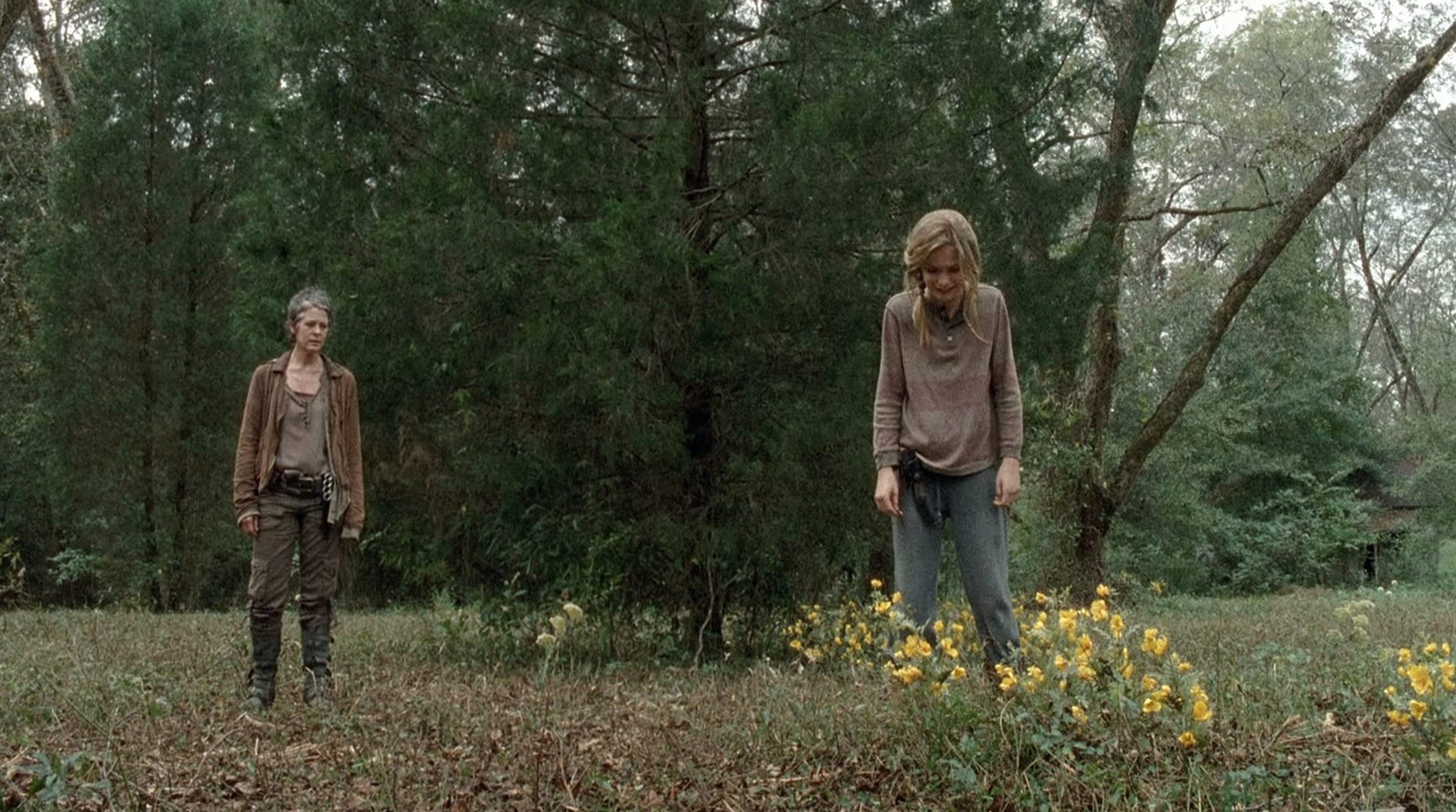
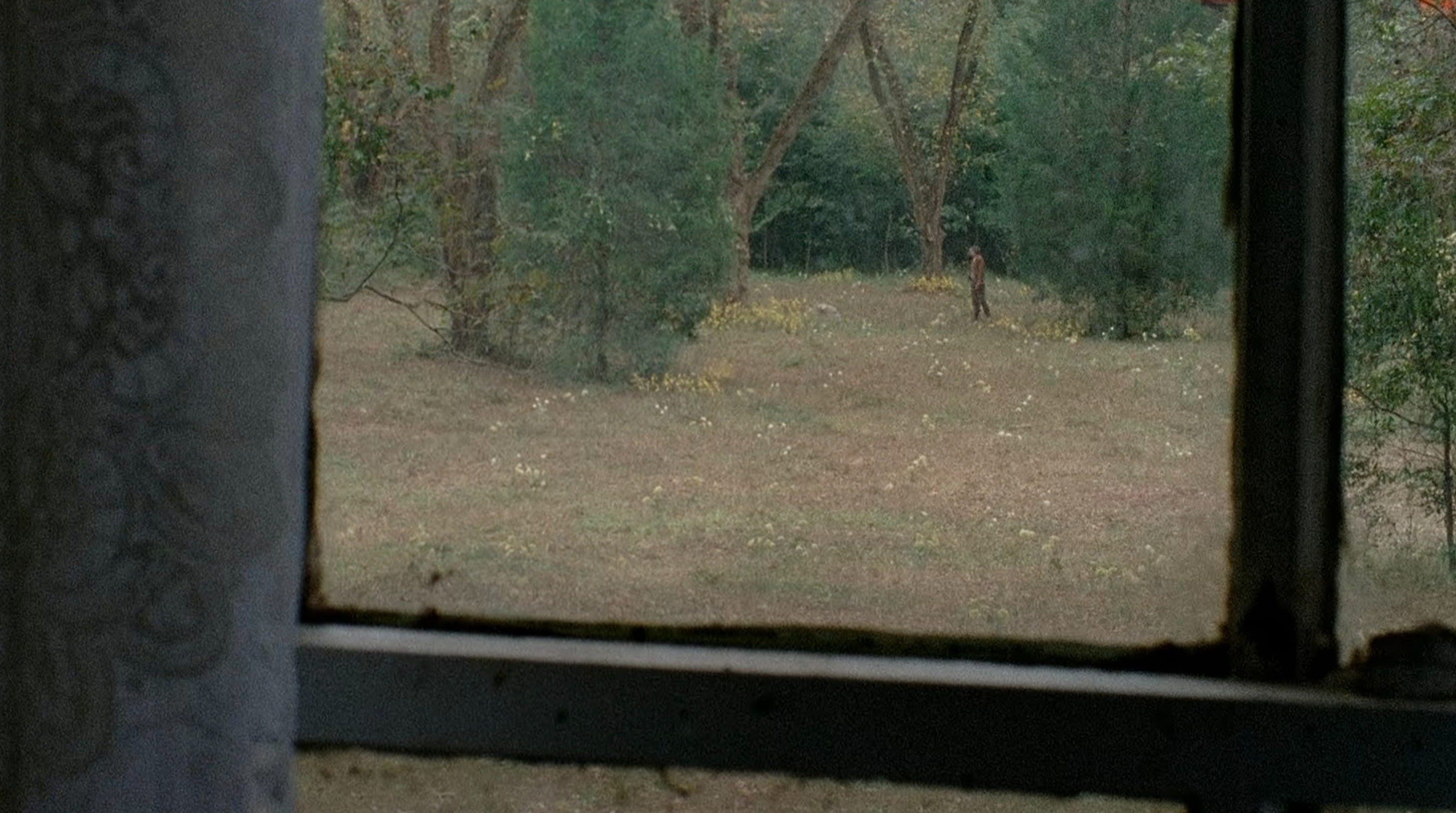
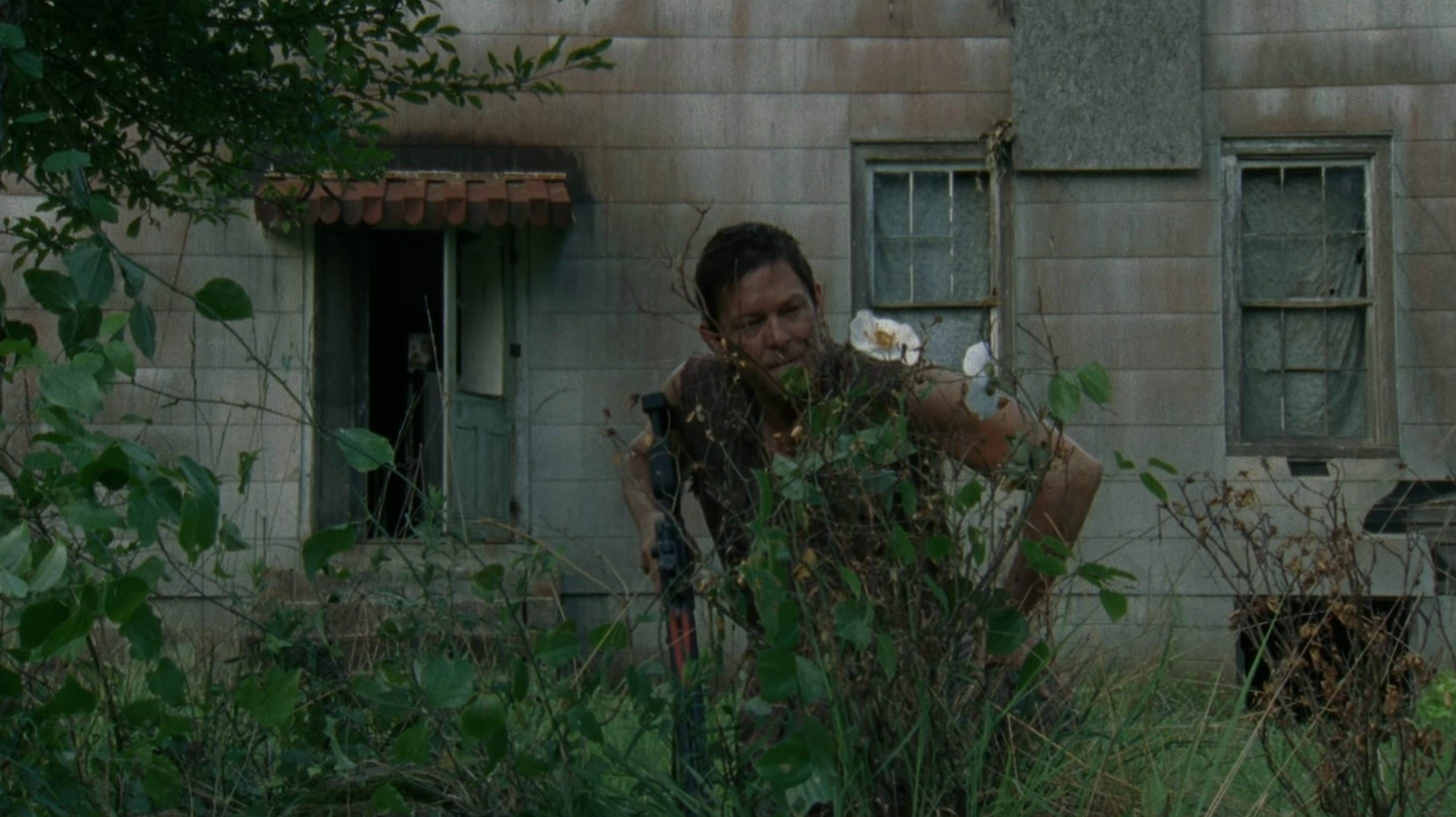
This isn’t the only time the show uses flowers to send a message. In Season 2, Episode 4, “Cherokee Rose,” Daryl shows the group the Cherokee rose which is a flower tied to grief, loss, and survival. He shares with Carol the story while the group is looking for her missing young daughter, Sophia, explaining that the flower grows quickly and can survive even in harsh conditions. The story comes from a Cherokee legend. During the Trail of Tears, Cherokee mothers mourned as their children died from starvation and disease. According to the legend, their tears fell to the ground, and from them grew white flowers with golden centers, later known as Cherokee roses. The flowers are meant to represent the idea that even in moments of deep suffering, life and hope can still grow. For Carol, already grieving and scared that Sophia might be gone forever, the rose becomes a small symbol of hope. It’s one of the most remembered metaphors in early TWD.
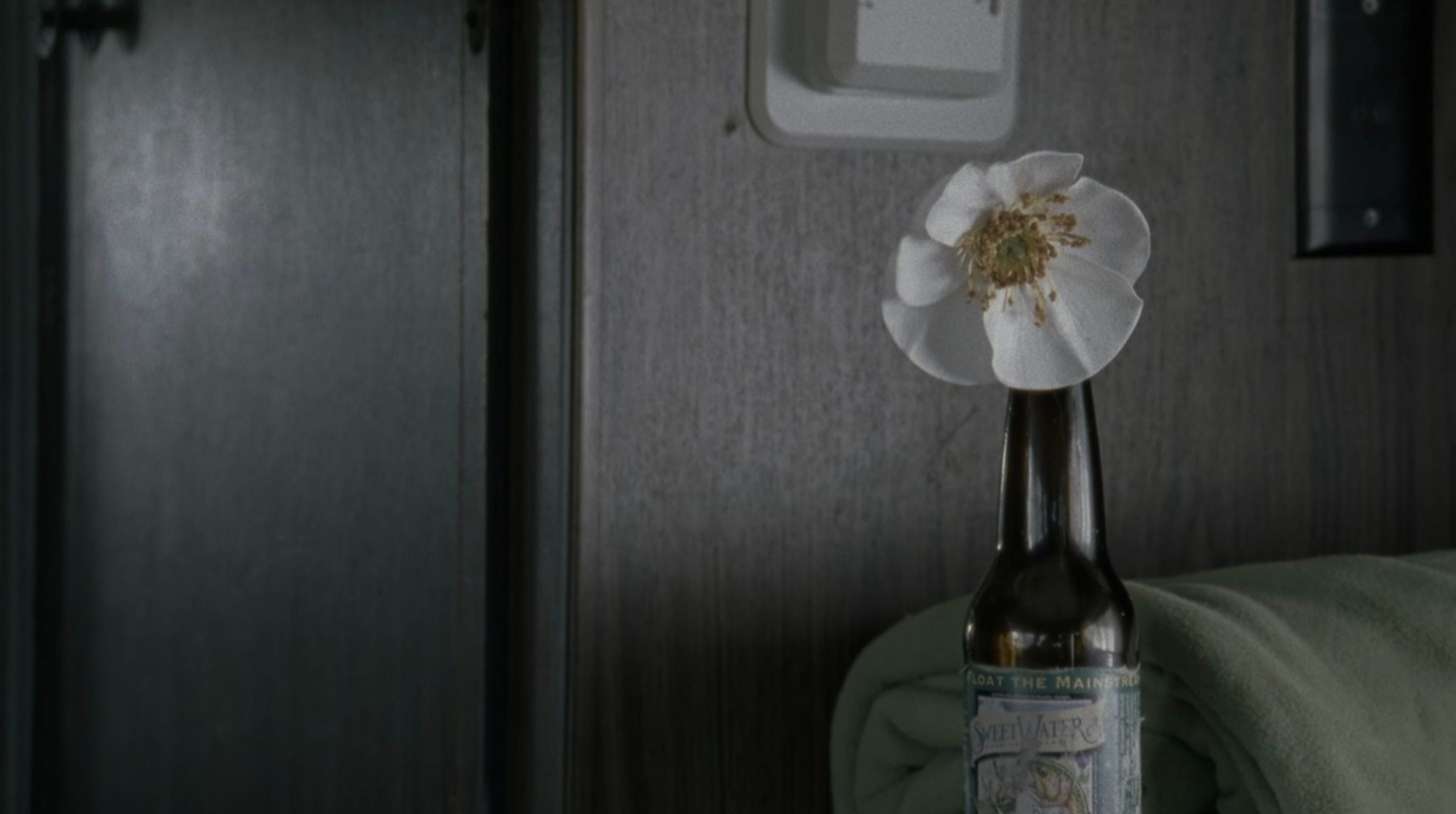
The Cherokee rose is native to southern China, Taiwan, and Vietnam. It is considered an invasive species in Australia, Japan, and parts of the United States. The white petals represent the clans of the Cherokee, and the yellow center represents the gold for which the land was stolen.
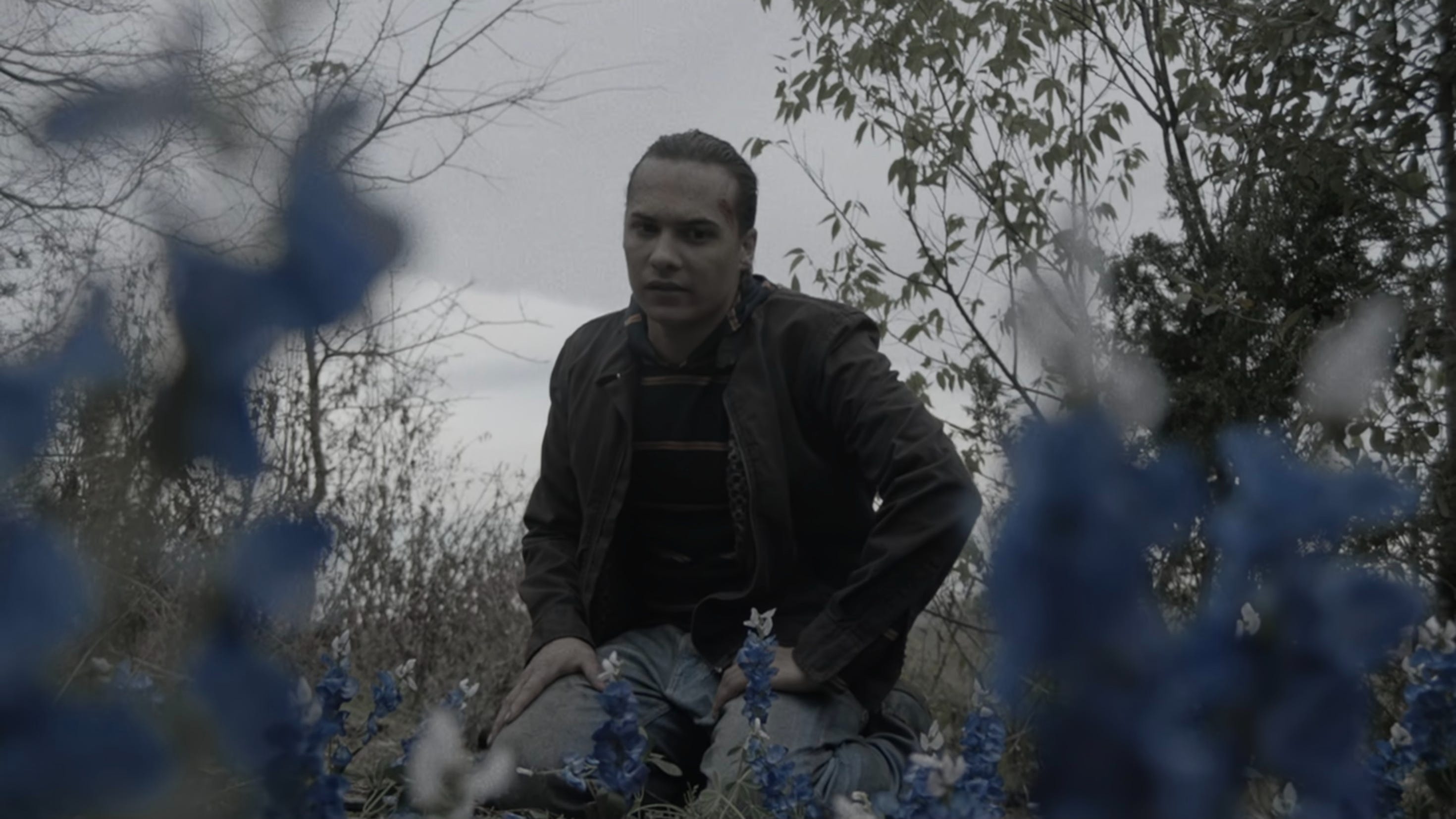
I know I said earlier that I haven’t been keeping up with the franchise’s spin-offs, but most recently I’ve been watching Fear the Walking Dead, the prequel to The Walking Dead. The show came out in 2015, and I remember watching half of the first season but never really continued. While the characters on Fear the Walking Dead aren’t as lovable as the ones on the main show, they are surprisingly better written. I will say my favorites are Nick and Alicia Clark and Victor Strand.
Nick Clark is the first character we meet in Fear the Walking Dead and possibly the first in the entire TWD franchise to encounter walkers (the undead; they never call them zombies on the show). He’s a young, morally complex drug addict, haunted and always running from his past. When the apocalypse hits, he’s the first to really embrace it as if the apocalypse mirrors the turmoil inside him.
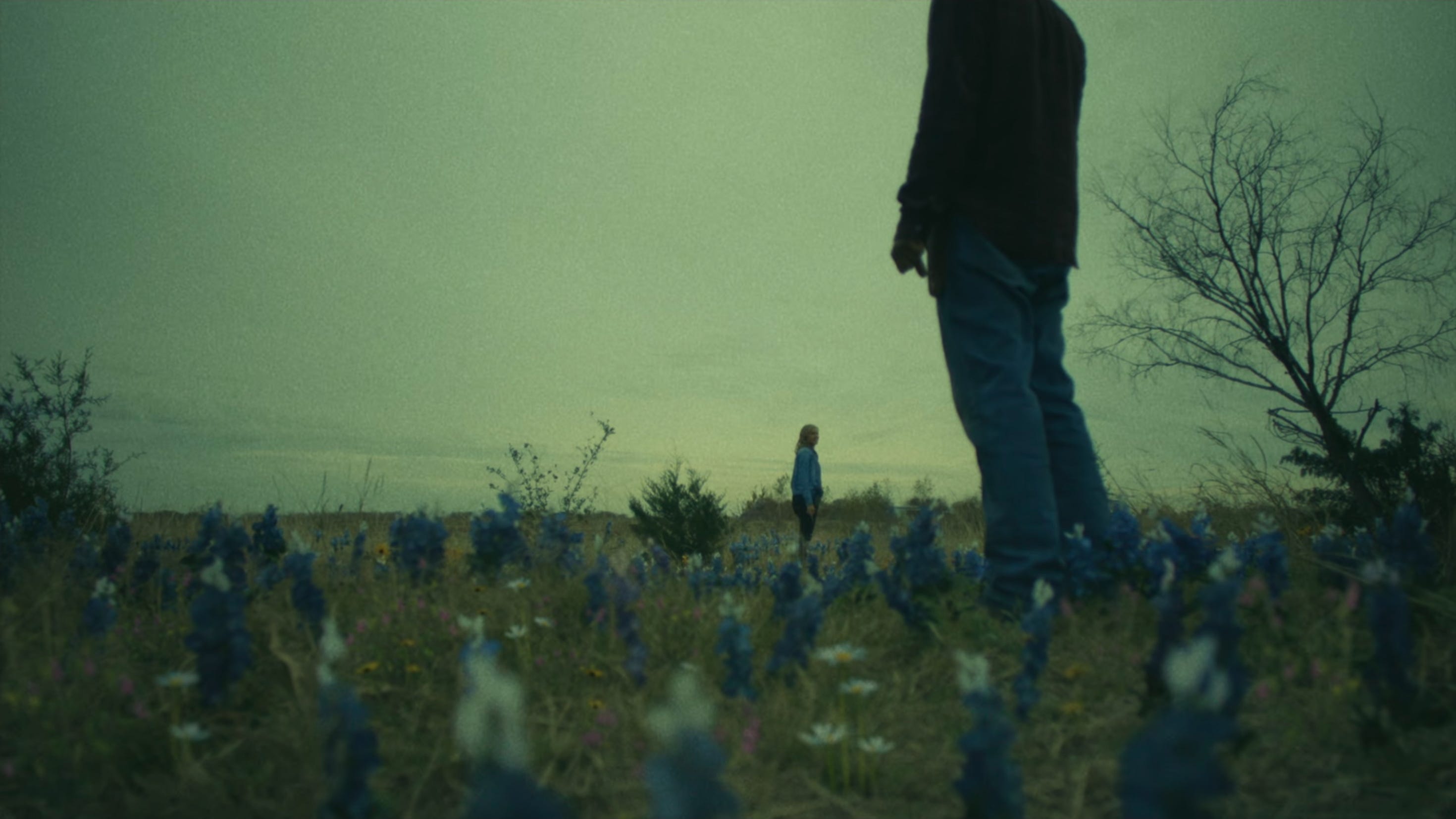
The bluebonnet flower shows up again and again in Season 4, Episode 3, titled “Good Out Here.” Early in the episode Nick picks a bluebonnet up and has a flashback of walking through a field of flowers with his mom, Madison, who reminds him that there is still some good left in the world even as it crumbles. Later in the episode, Morgan gives Nick a book called The Art of Peace by Morihei Ueshiba, the same book that helped Morgan find a sense of purpose within the apocalypse. After that conversation, it felt like Nick was about to start a journey toward stability and maybe even some peace, but it wasn’t meant to be ;’(
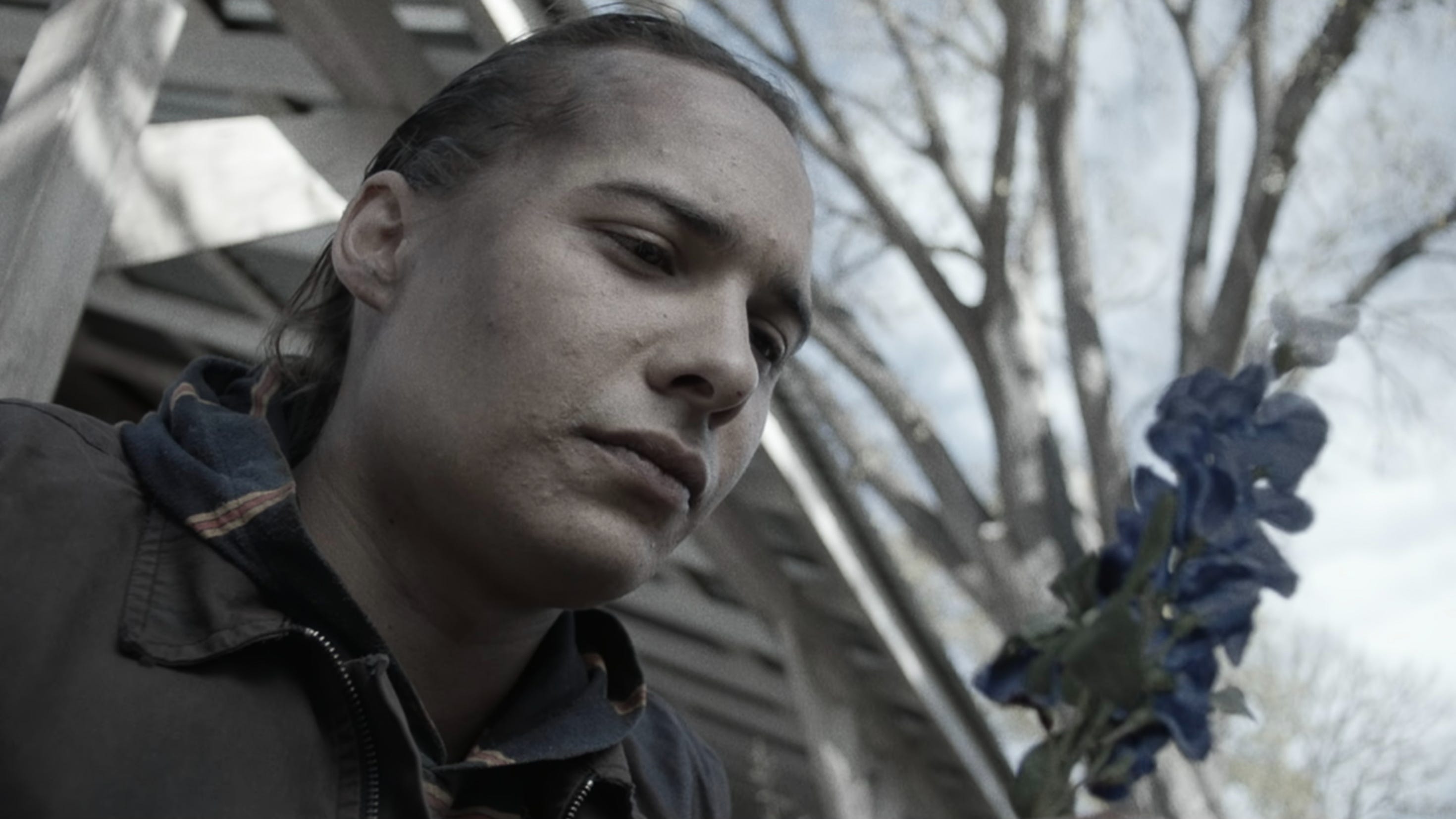
In the end, Nick is shot and killed by a vengeful child, not by walkers or in a fight. His death scene isn’t about shock or gore. The last thing he sees before being killed are the bluebonnet flowers in his hand. After he dies, he finds himself in that same flower field from earlier. Bluebonnets are said to symbolize bravery, sacrifice, and admiration. Placing Nick among them at that moment turns the scene from something violent into a tribute to his growth, which is a stark contrast to his first scene in the series.
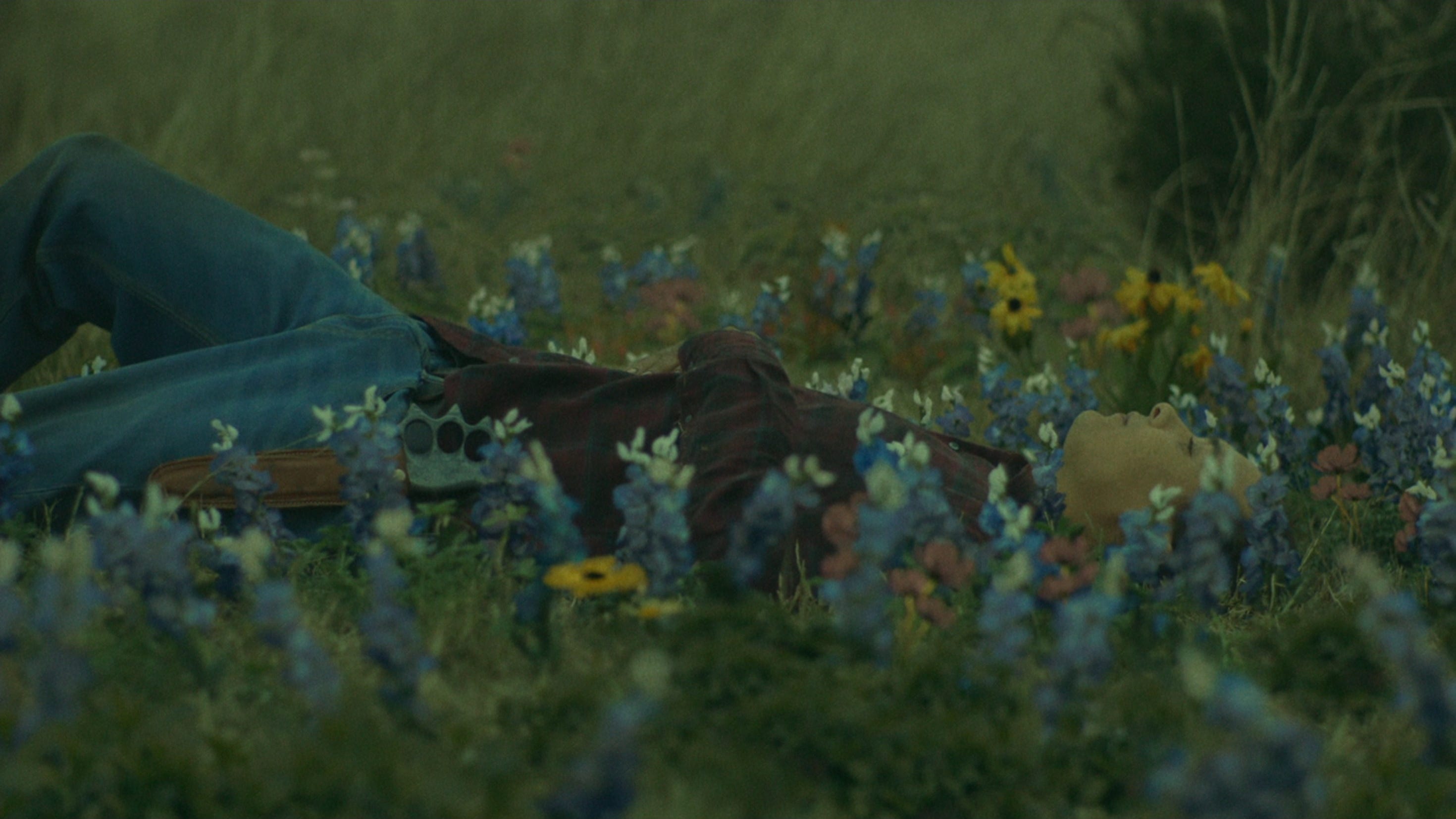
His death made me think of the Carol and Lizzie scene in The Walking Dead that I mentioned earlier, where an adult kills a child while saying, “Look at the flowers.” Nick literally also looked at the flowers in his final moments. In Nick’s case, the roles are flipped, with a child delivering the violence and an adult left dead. The two scenes show an interesting role reversal, showing how the apocalypse can challenge our ideas of who holds power and what innocence looks like.
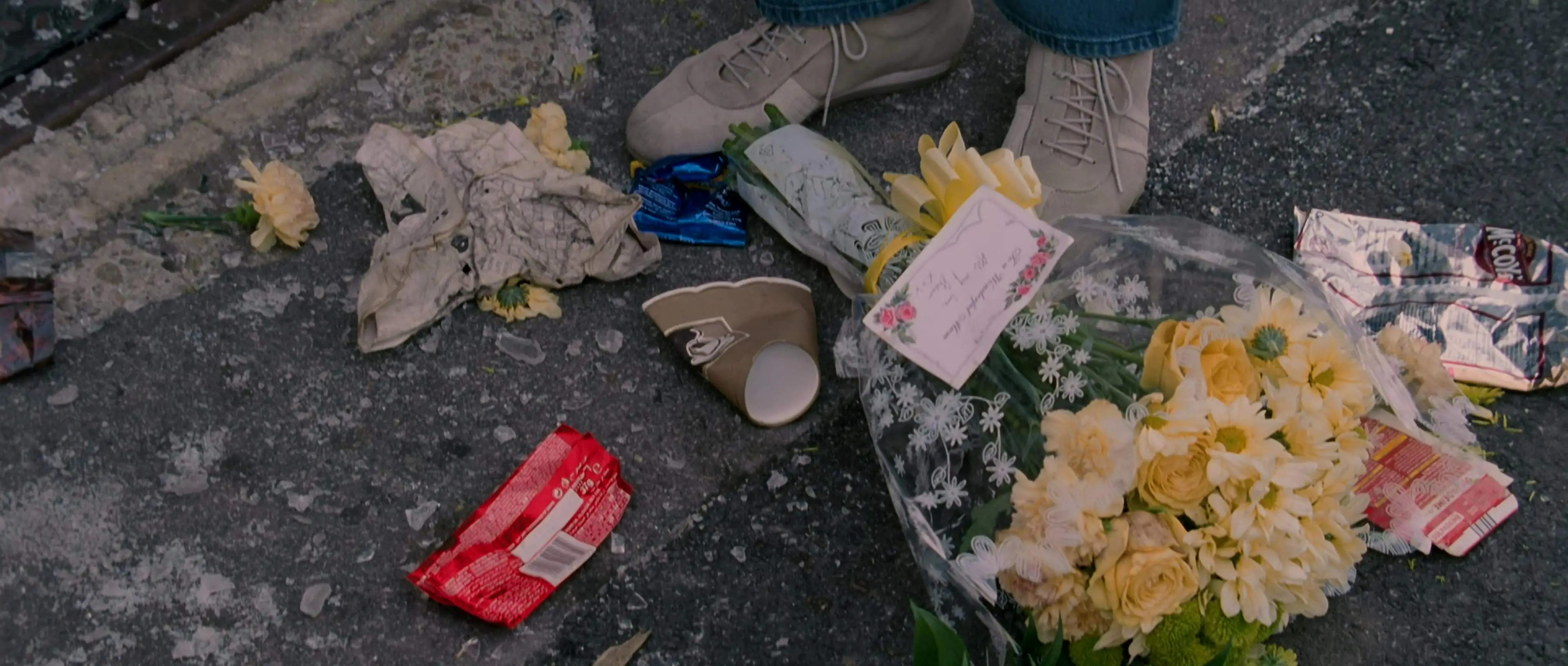
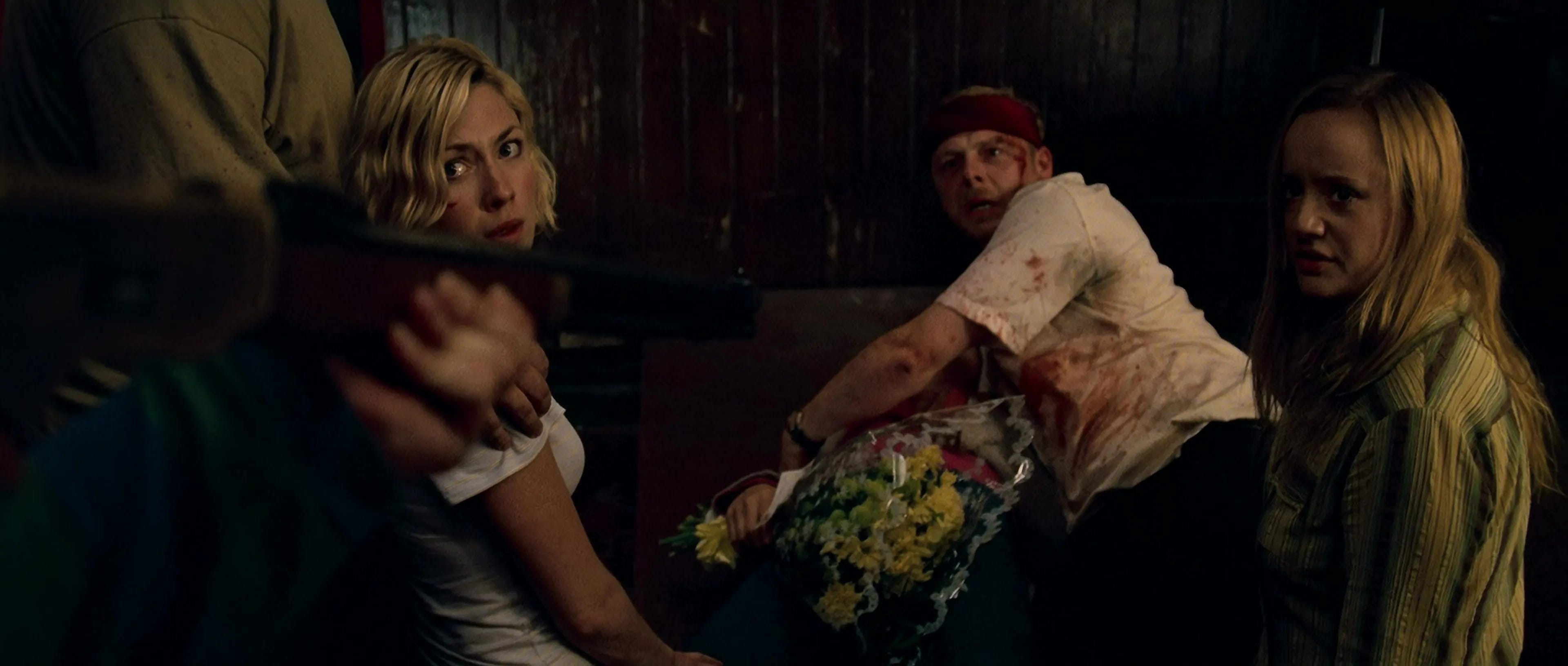
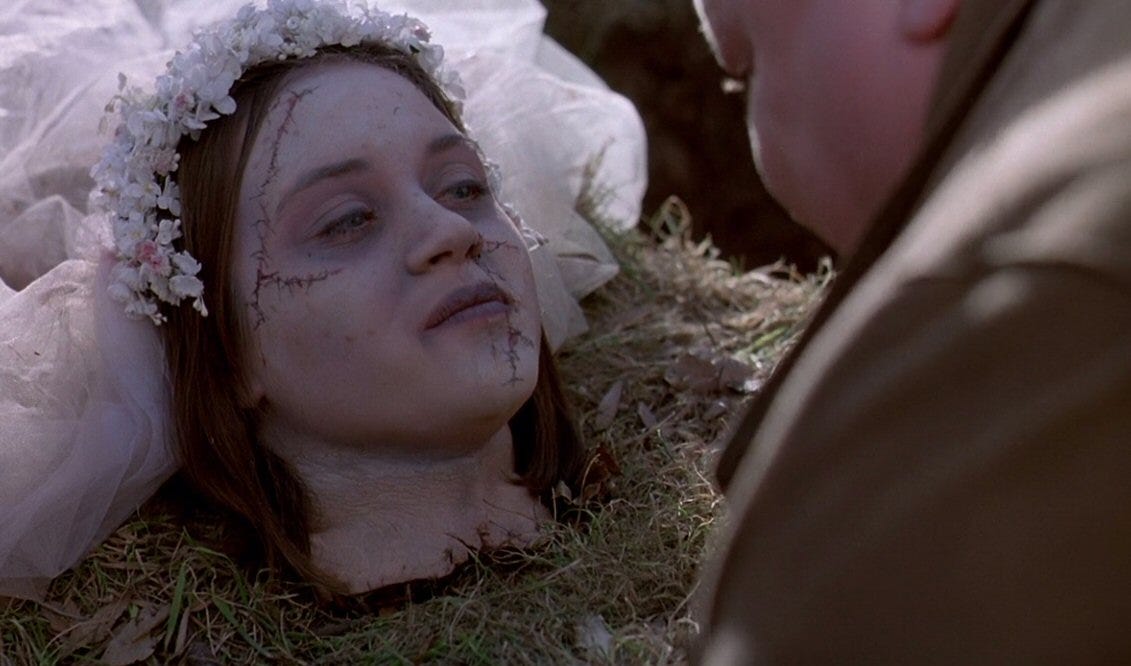
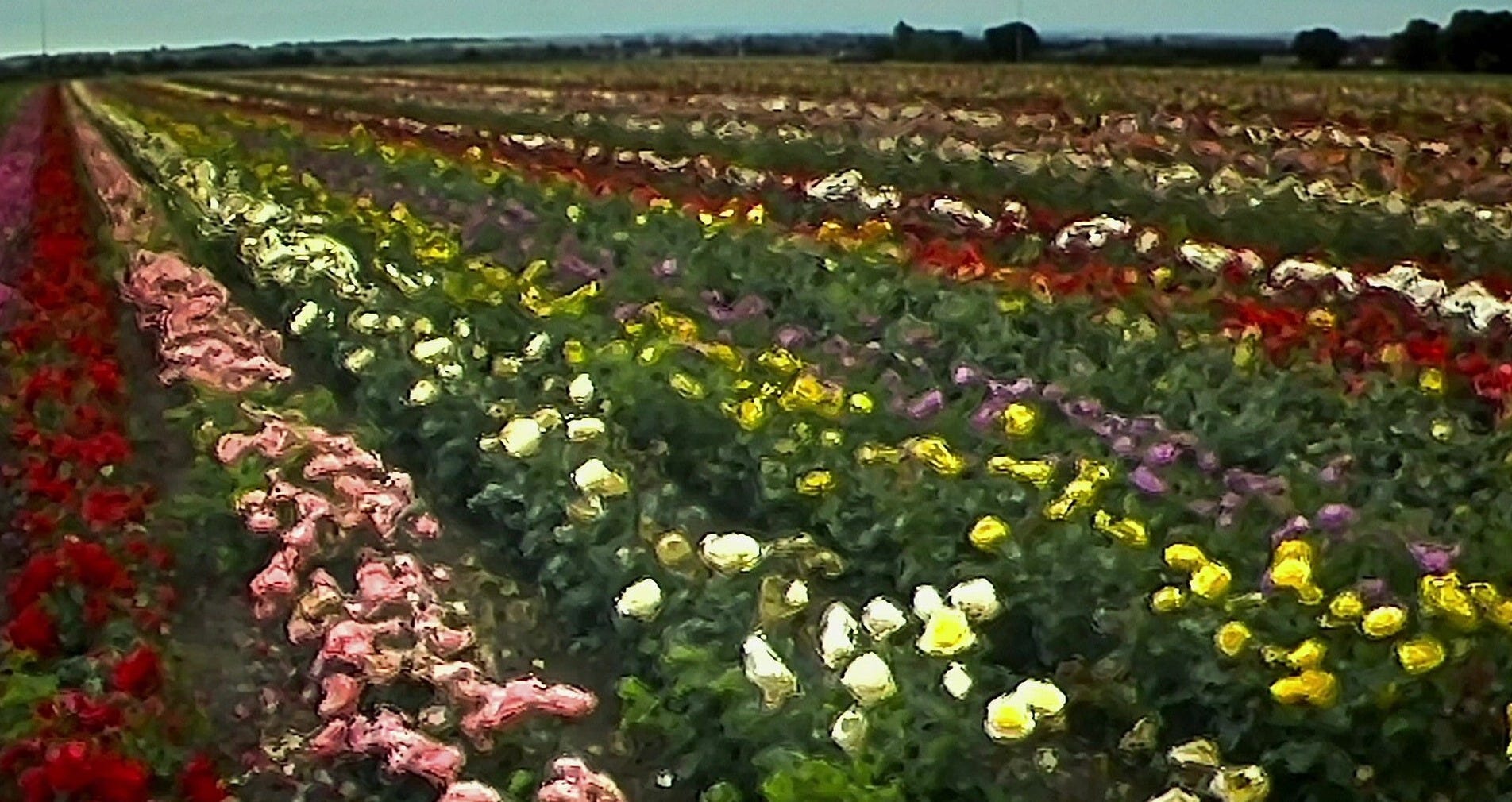
What are some of your favorite zombie movies?
Love,
Iris Diane
Thanks for reading! You can follow me on Instagram for more frequent posts about flowers in cinema. For collaborations or inquiries, my email is flowersincinema@gmail.com
Keep reading


Footnotes
Early zombie film set in Haiti. The story centers on a plantation owner’s daughter who practices Vodou and uses dark rituals, including zombification, to punish and control people around her, especially in matters of jealousy and revenge.
A film set on a Caribbean island, loosely inspired by Jane Eyre by Charlotte Brontë. A Canadian nurse arrives on a sugar plantation to care for the plantation owner’s wife, who appears to be a living corpse.
There is a character in The Walking Dead named Duane Jones which is a direct homage to the late actor Duane Jones
Love the Cemetery Man still, probably my favorite. I feel like Night of the Creeps might have a flower or two... definitely some on the poster!