

Flower Crowns
From Roman Emperors to Lana Del Rey to Snapchat filters

This post doesn’t fully show in email. Check it out on the Substack app or desktop for the full experience. Trust me it looks way better!

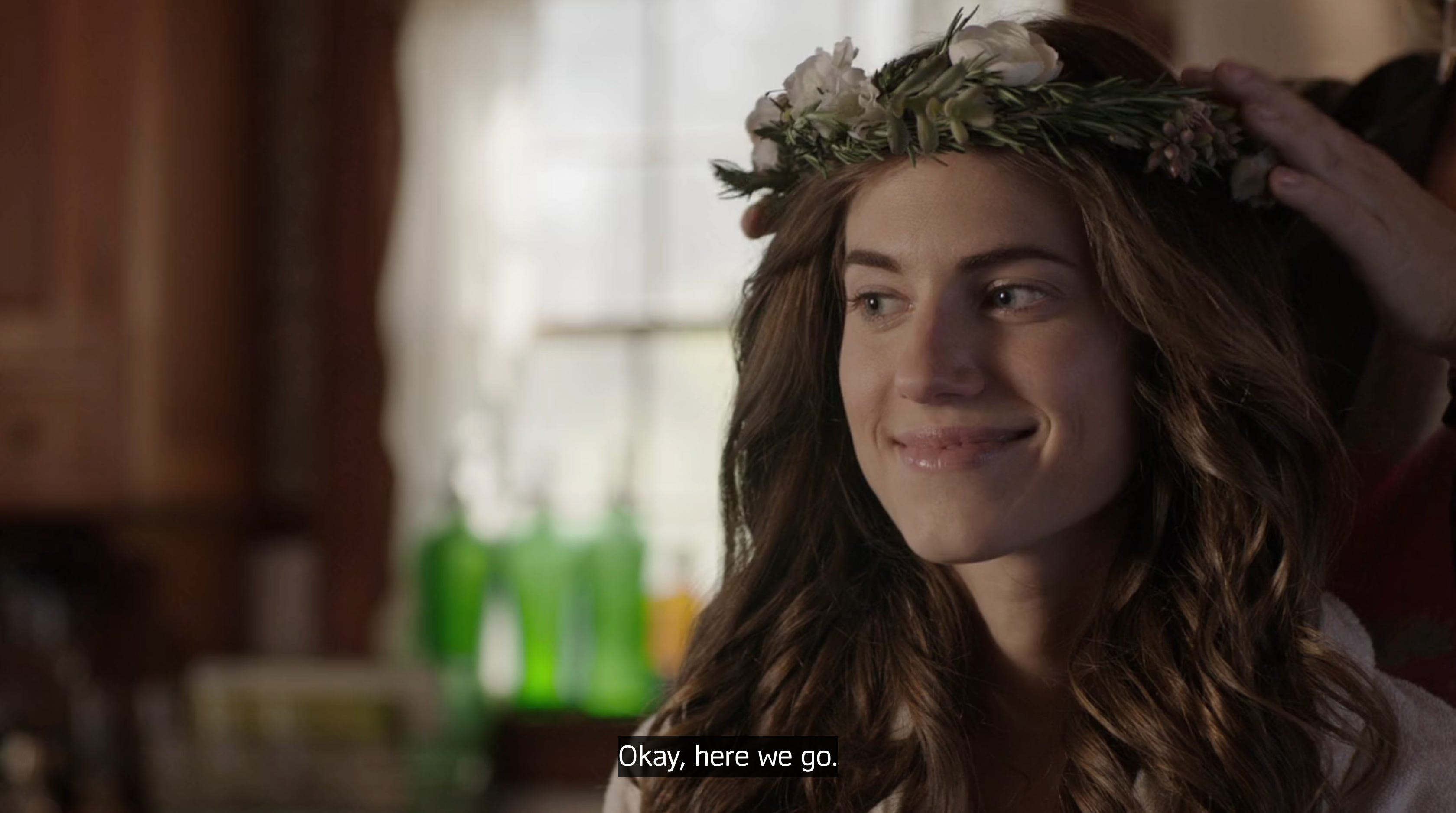
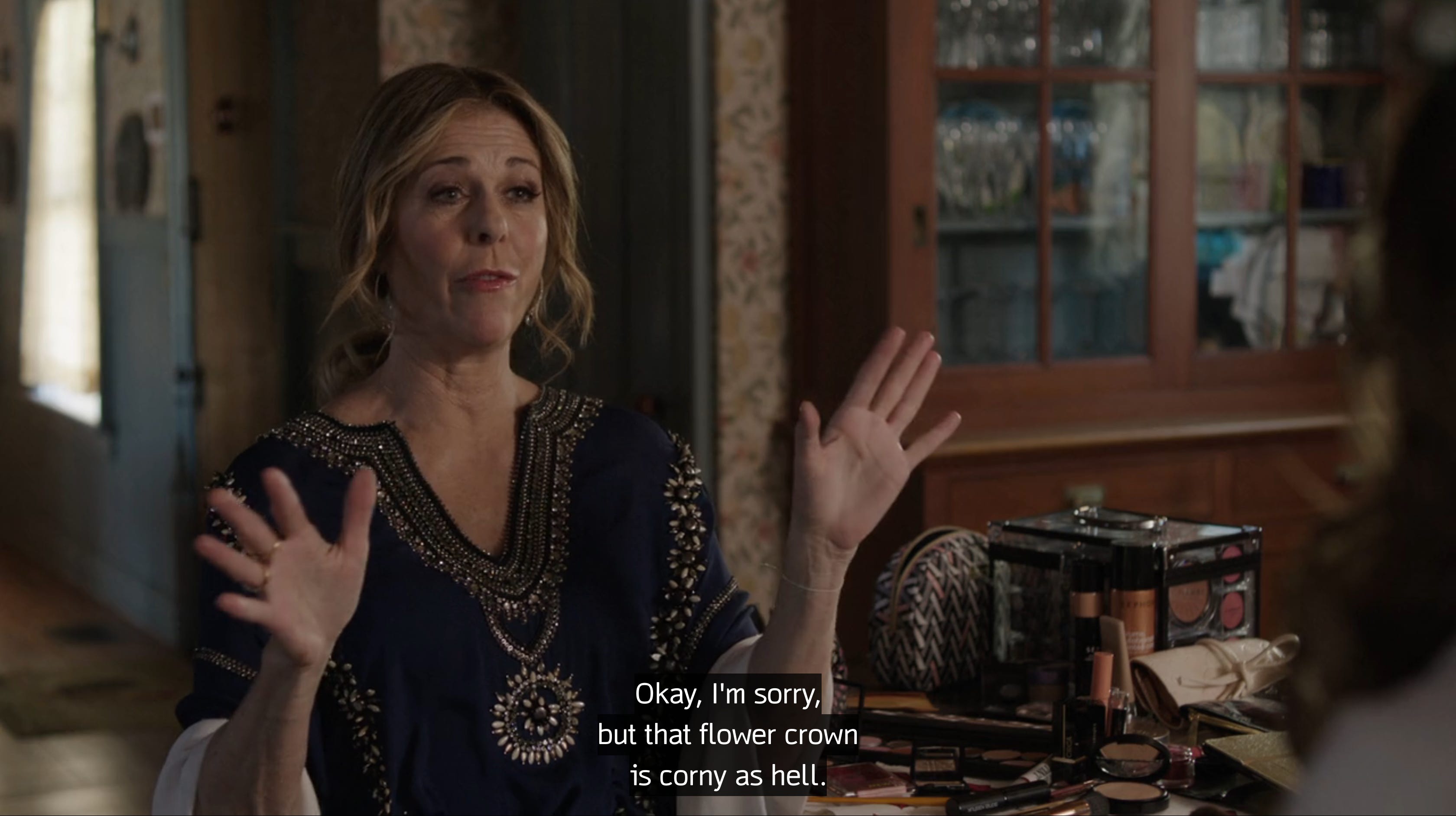
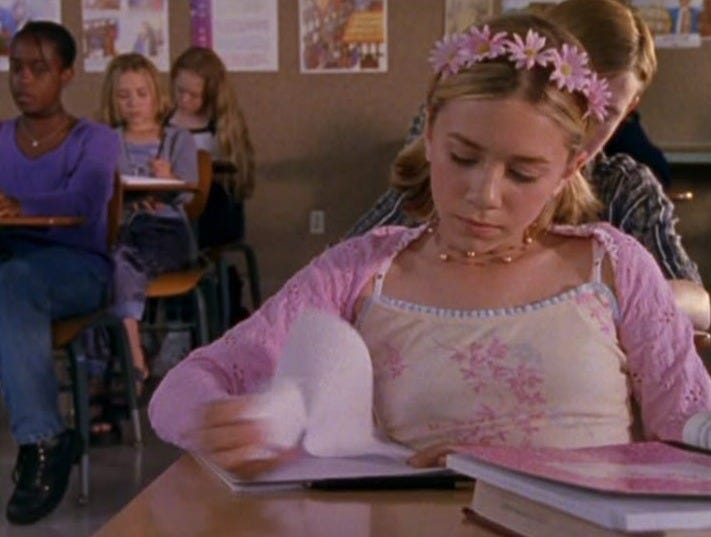
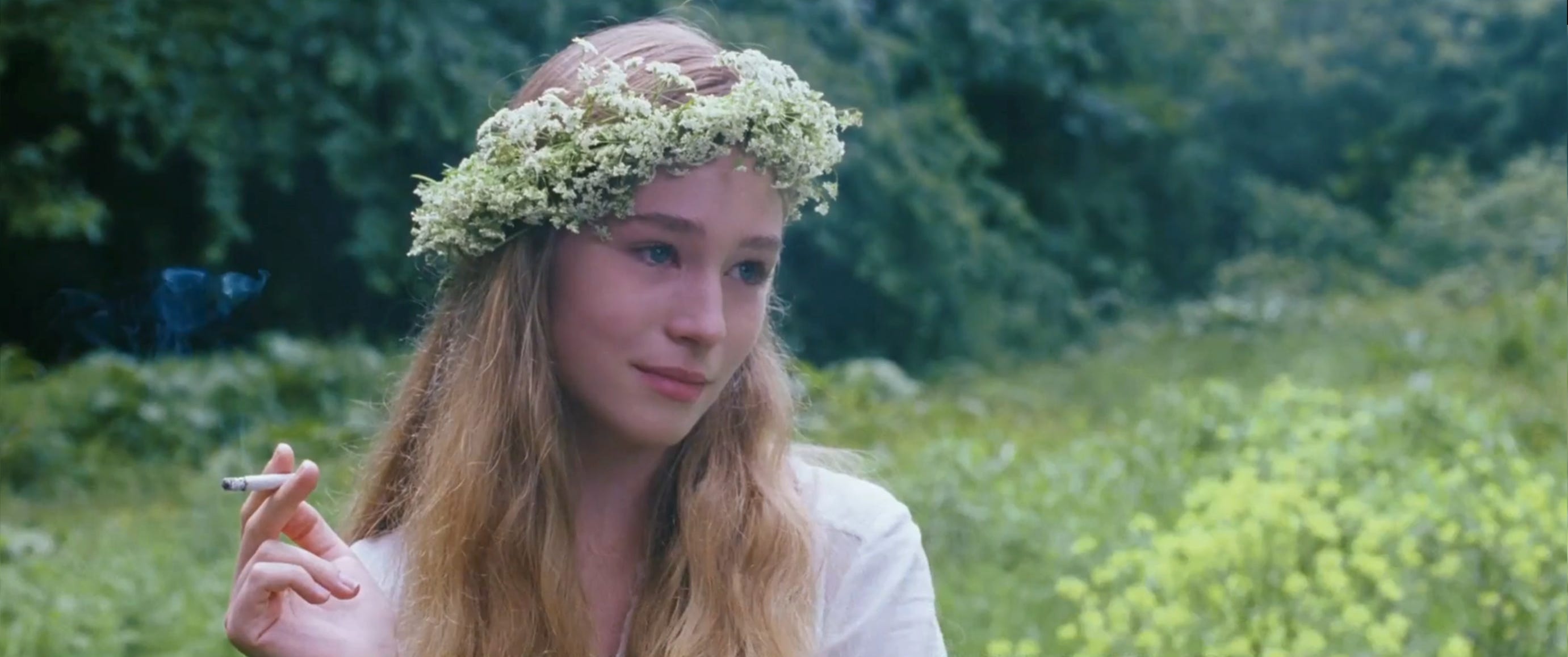
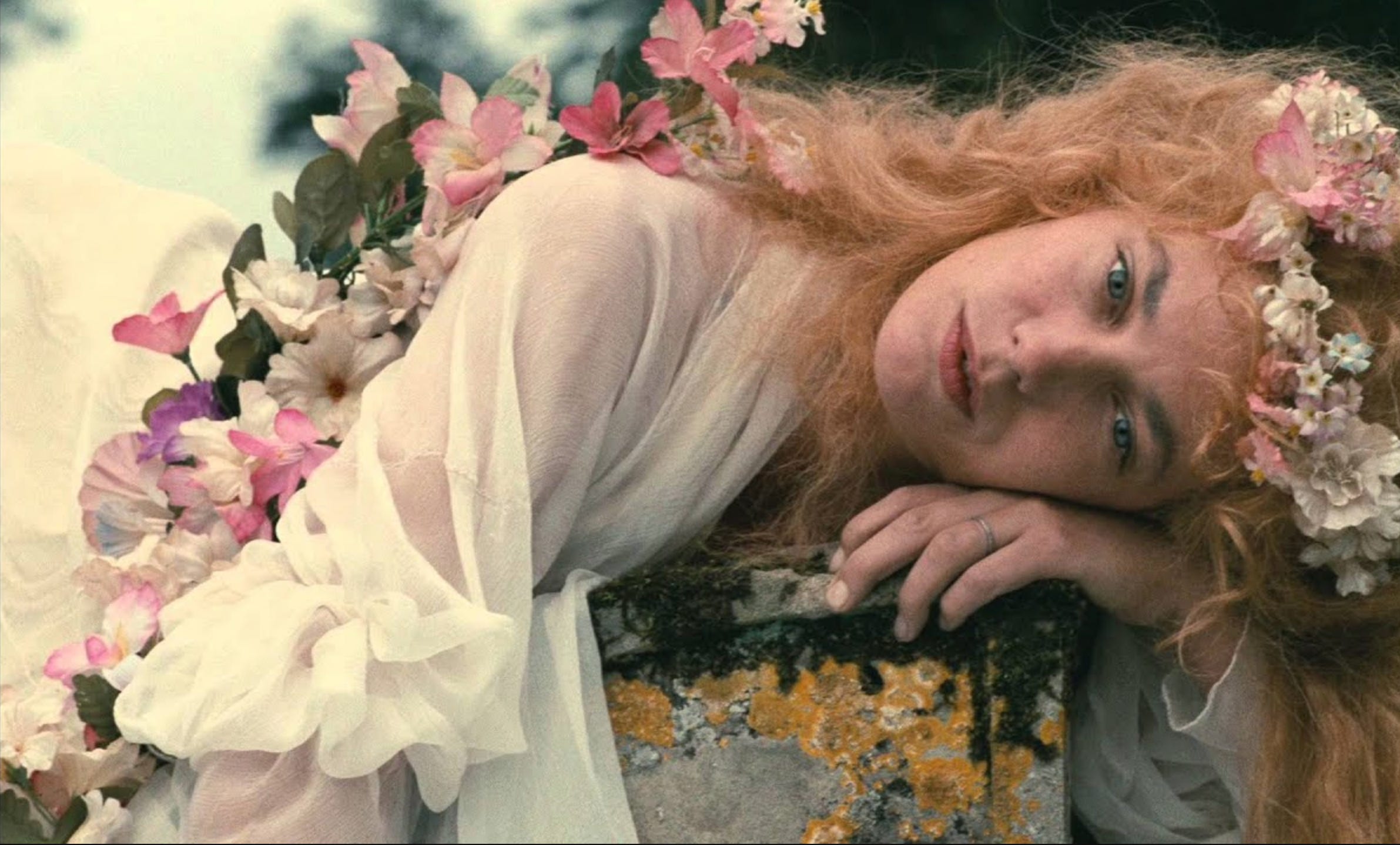
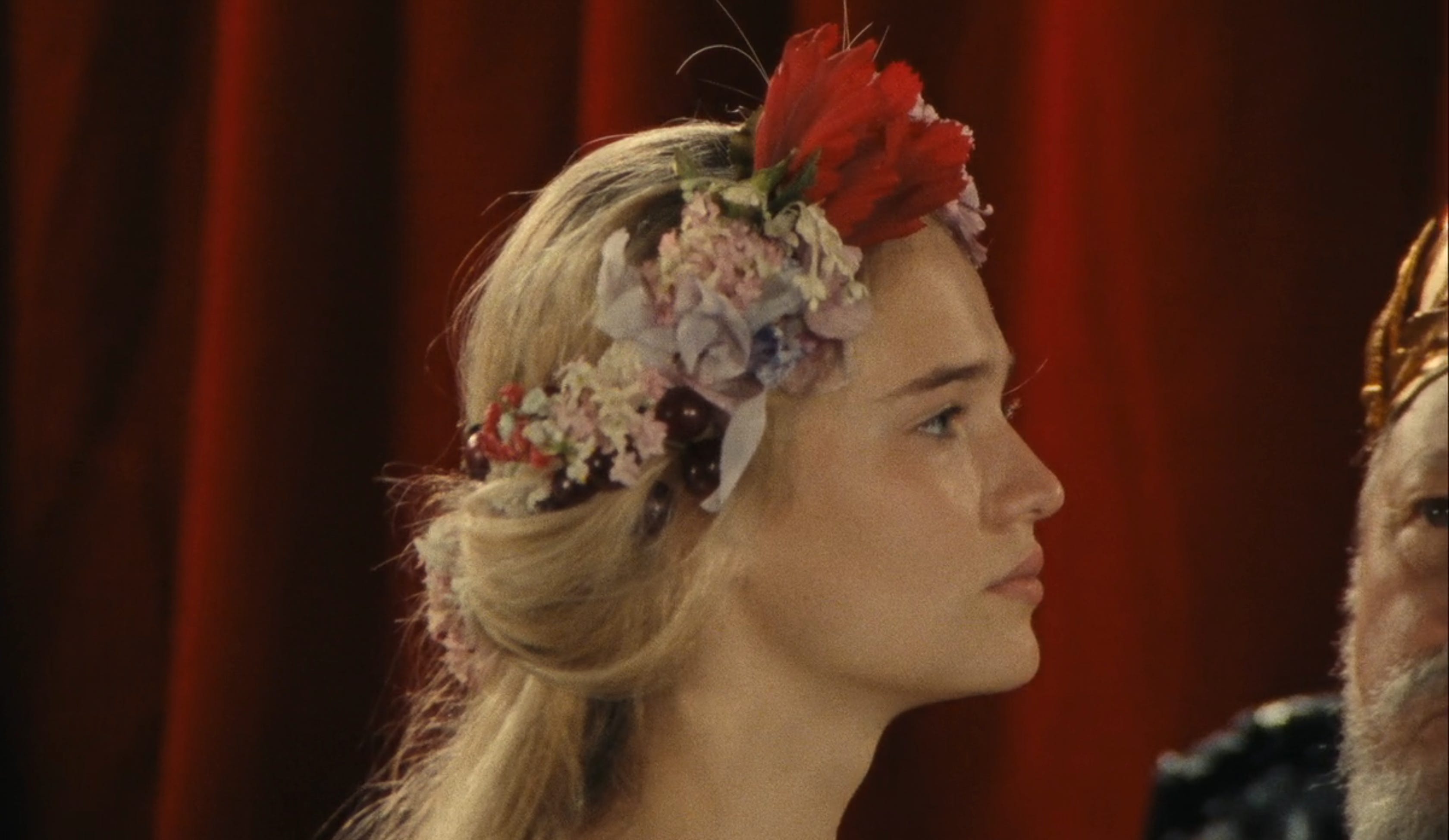
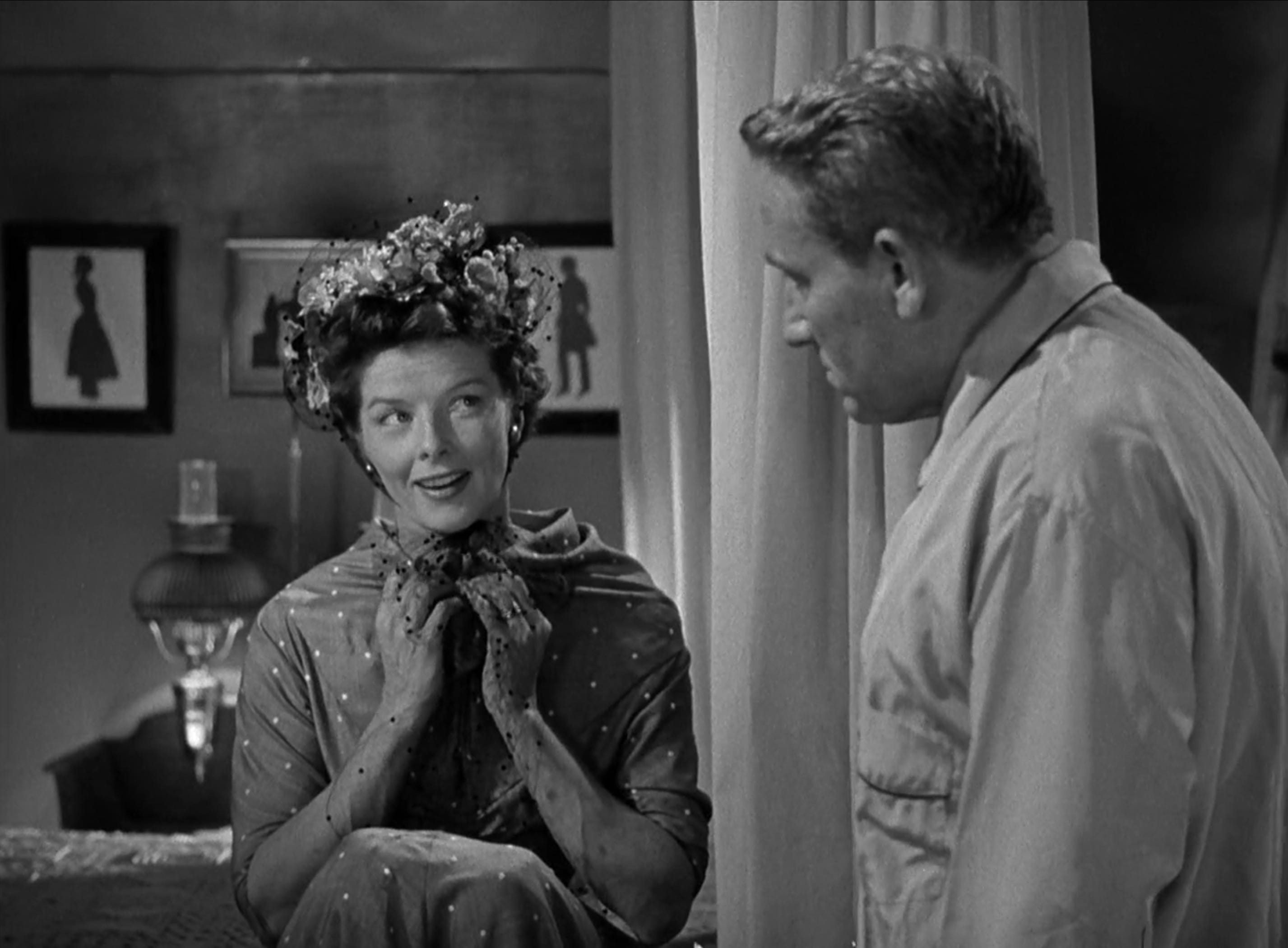
I’m working on another flower deep dive for my next post, but I’ve felt a strong urge to write about flower crowns. I’m not entirely sure why, but they’ve been on my mind a lot, especially in the context of movies and television. Flower crowns embody innocence, celebration, and ritual. For me, they also conjure something very specific: the internet in the early 2010s. Vanessa Hudgens (the undisputed Queen of Coachella) and a certain haze of Tumblr aesthetics. They were the defining accessory of that era.
I was on Tumblr at its peak, so I vividly remember every fandom photoshopping flower crowns onto their favorite characters. It was practically a meme. No one really says “photoshopped” anymore, and it’s all AI’s fault. There is an actual page about the Tumblr Flower Crown on Know Your Meme. It had a lot to do with Harry Styles/One Direction and the whole Supernatural and Hannibal fandom.

While digging around for inspiration, I rediscovered a delightfully grainy 360p Rookie Mag video featuring a young Petra Collins and Tavi Gevinson DIY-ing flower crowns inspired by Meadham Kirchhoff’s Spring/Summer 2011 collection. A true time capsule.

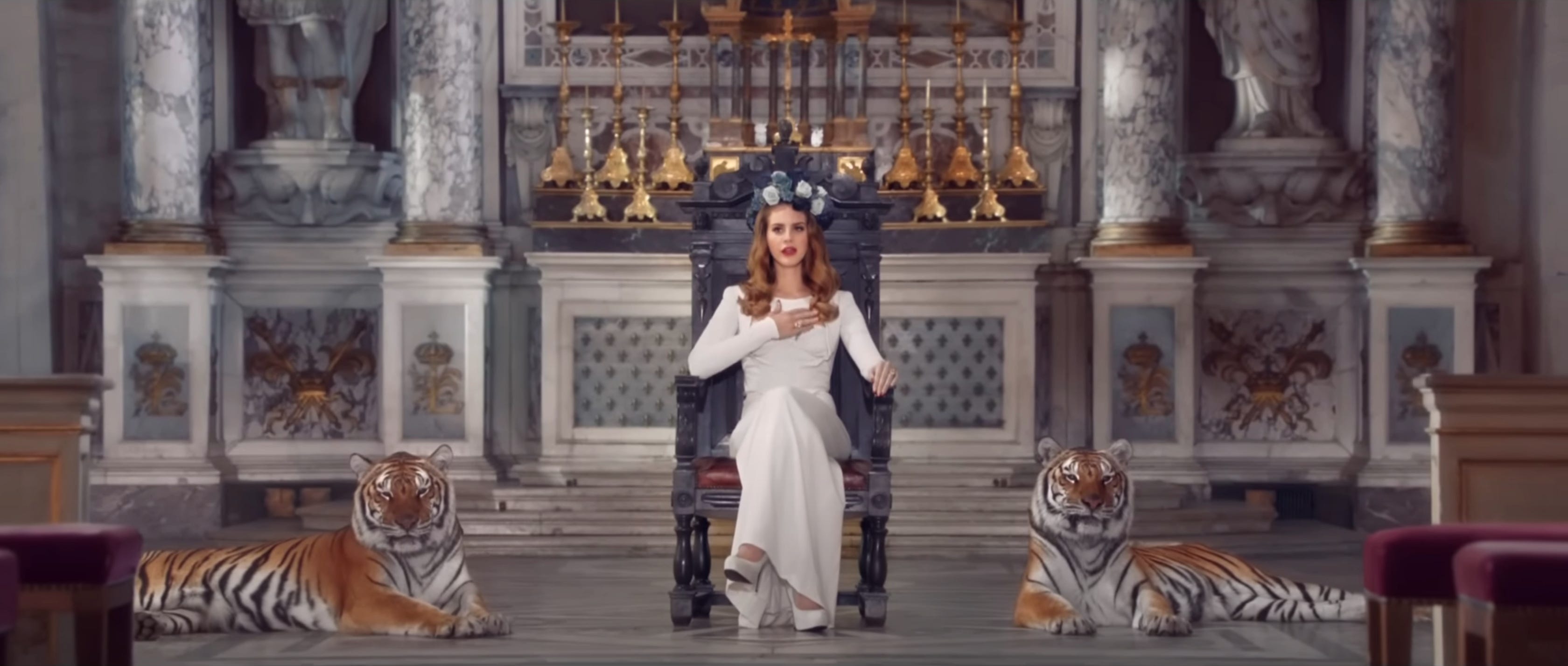
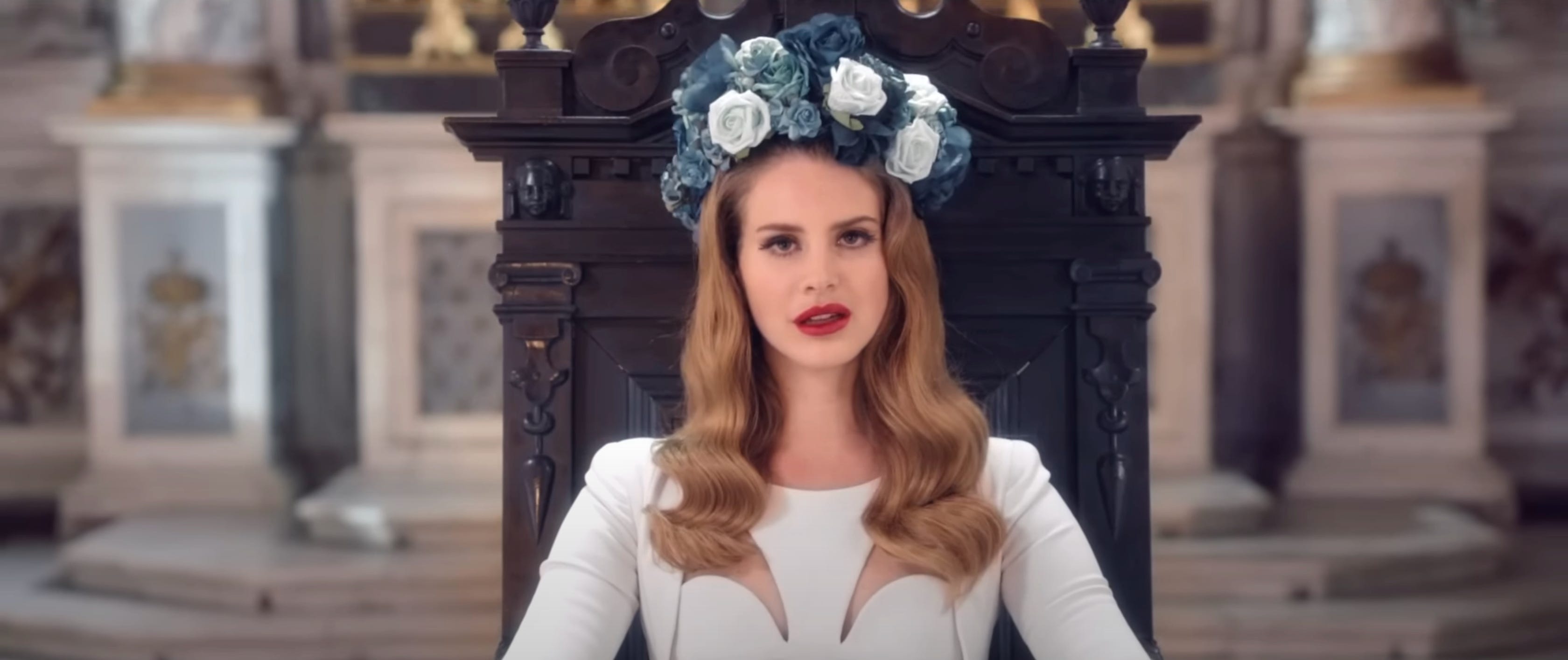
Continue reading to understand more about this religious, political, feminine, sentimental, and tacky headpiece.
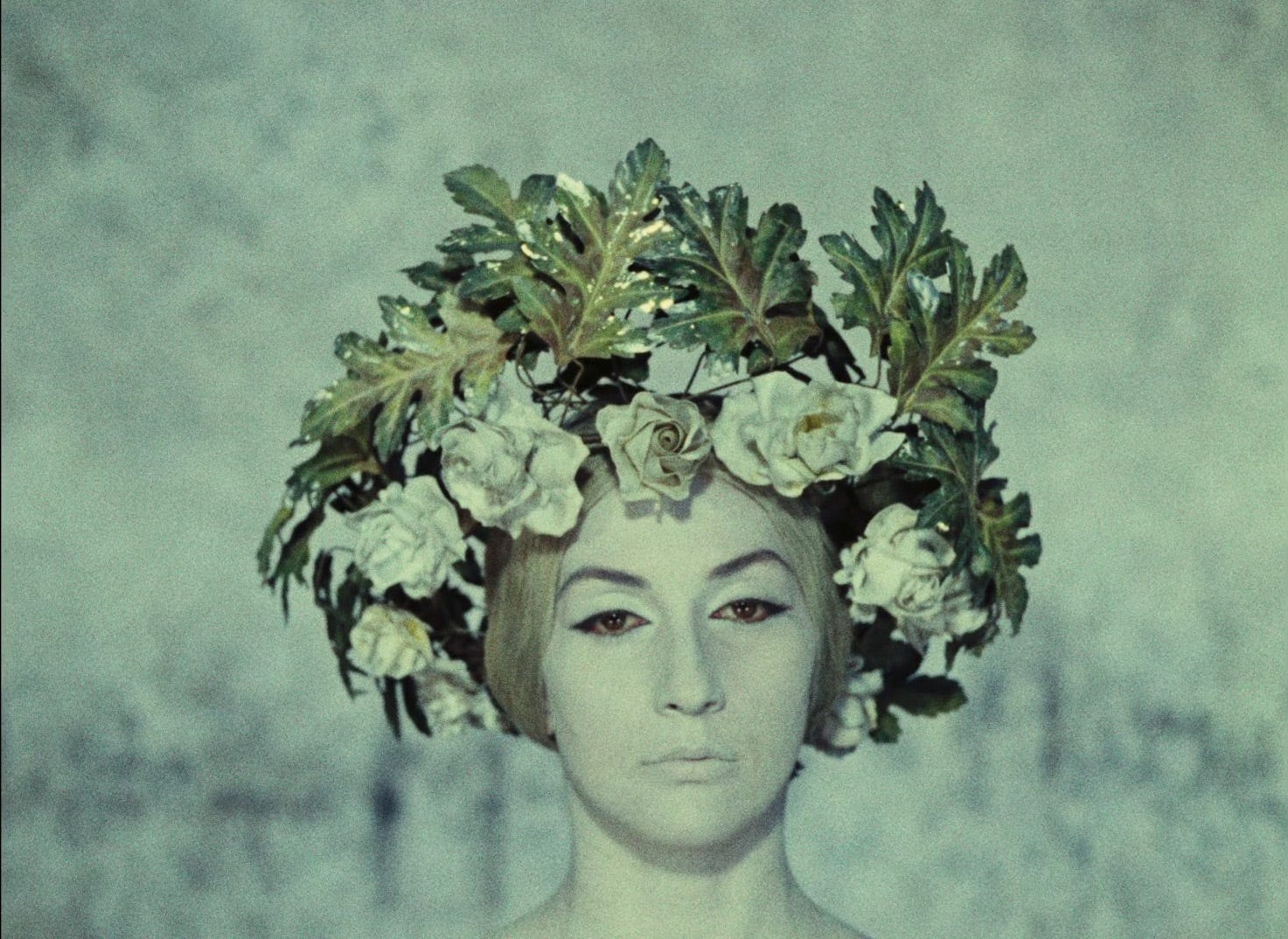
Ancient Origins
In ancient Greece, wreaths consisting of flowers, herbs, and greenery were worn to honor the gods, commemorate achievements, and symbolize rank or virtue. Laurel (bay) trees were strongly identified with Apollo, who was the god of poetry, music, and the sun. Winners of sports tournaments, most notably the Olympic Games, were crowned with olive or laurel wreaths that symbolized dignity and achievement.
This custom developed and spread throughout ancient Rome. I don't watch many movies set in ancient Greece or Rome (I find them quite boring), so my only main movie references are Gladiator and Gladiator 2 (lol), so here's Joaquin Phoenix as Commodus wearing a laurel wreath crown.
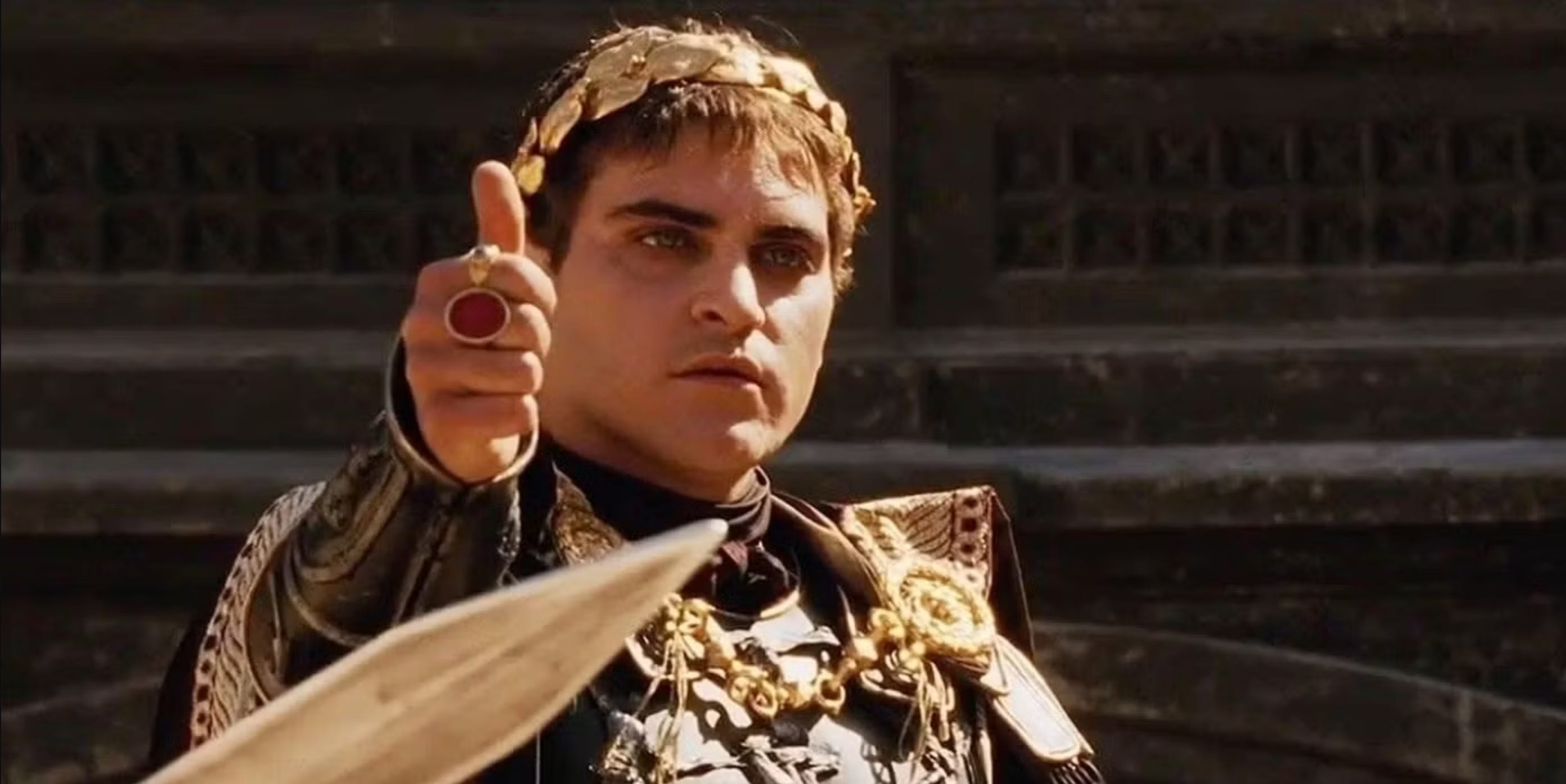
Roman crowns and wreaths were known as 'corona' (crown) or 'sertum' (garland or wreath). Here are a couple of descriptions of what each represented:
Corona Radiata—Worn only by gods and emperors
Corona Triumphalis—A golden laurel wreath, was designed for generals during his triumph.
Corona Obsidionalis—The greatest honors were bestowed upon army generals who broke a siege. It was put together with grass, weeds, and wildflowers brought from the site of the siege as a symbol of triumph
Corona Civica—Presented to a soldier who had saved the life of a Roman soldier in battle, displaying unusual acts of valor. It was made of three different types of oak
Both Greeks and Romans thought that wearing natural garlands linked the wearer to heavenly energies, nature, and moral virtue.
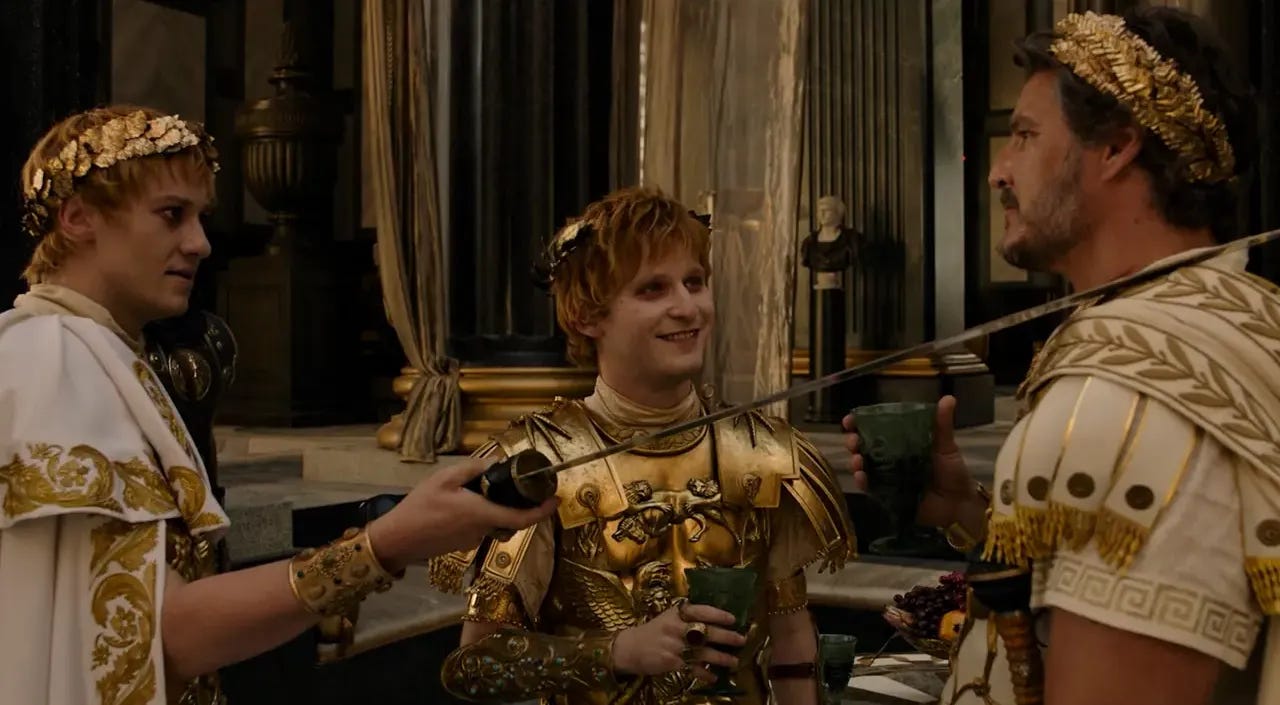
Although I'm not entirely sure, it would make sense given the context of the film; it appears that Pedro Pascal as General Acacius was given a corona obsidionalis crown by the two emperors.
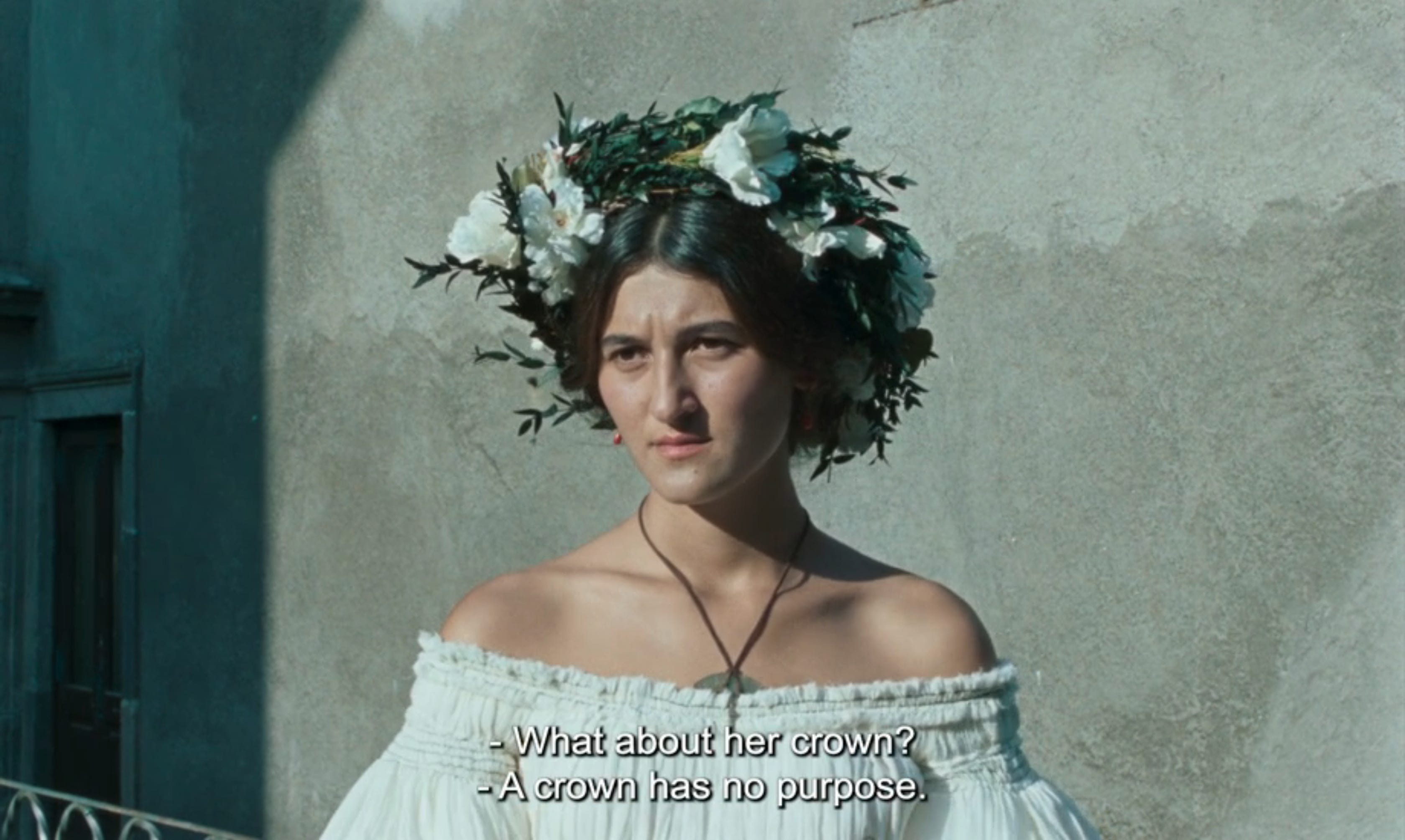
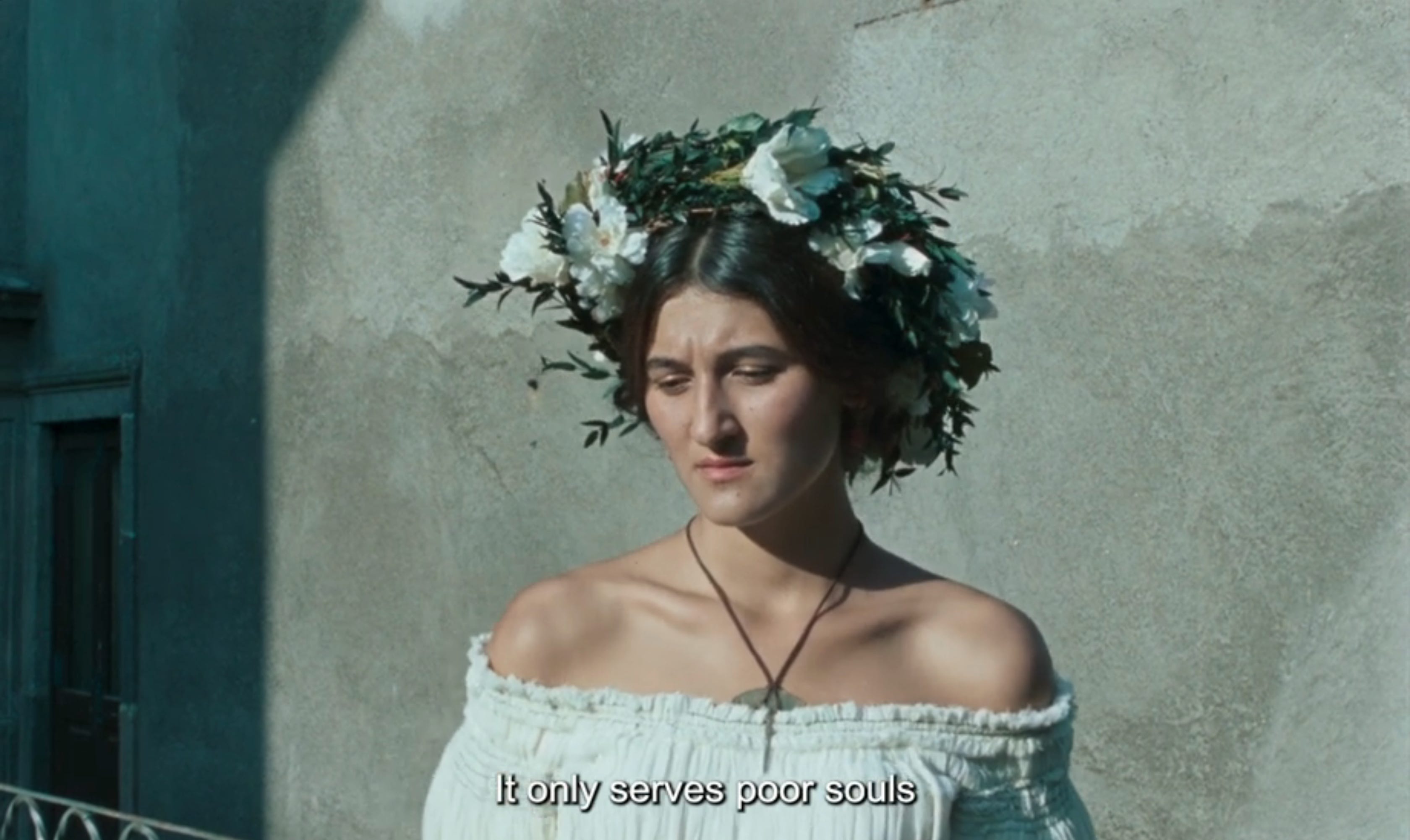
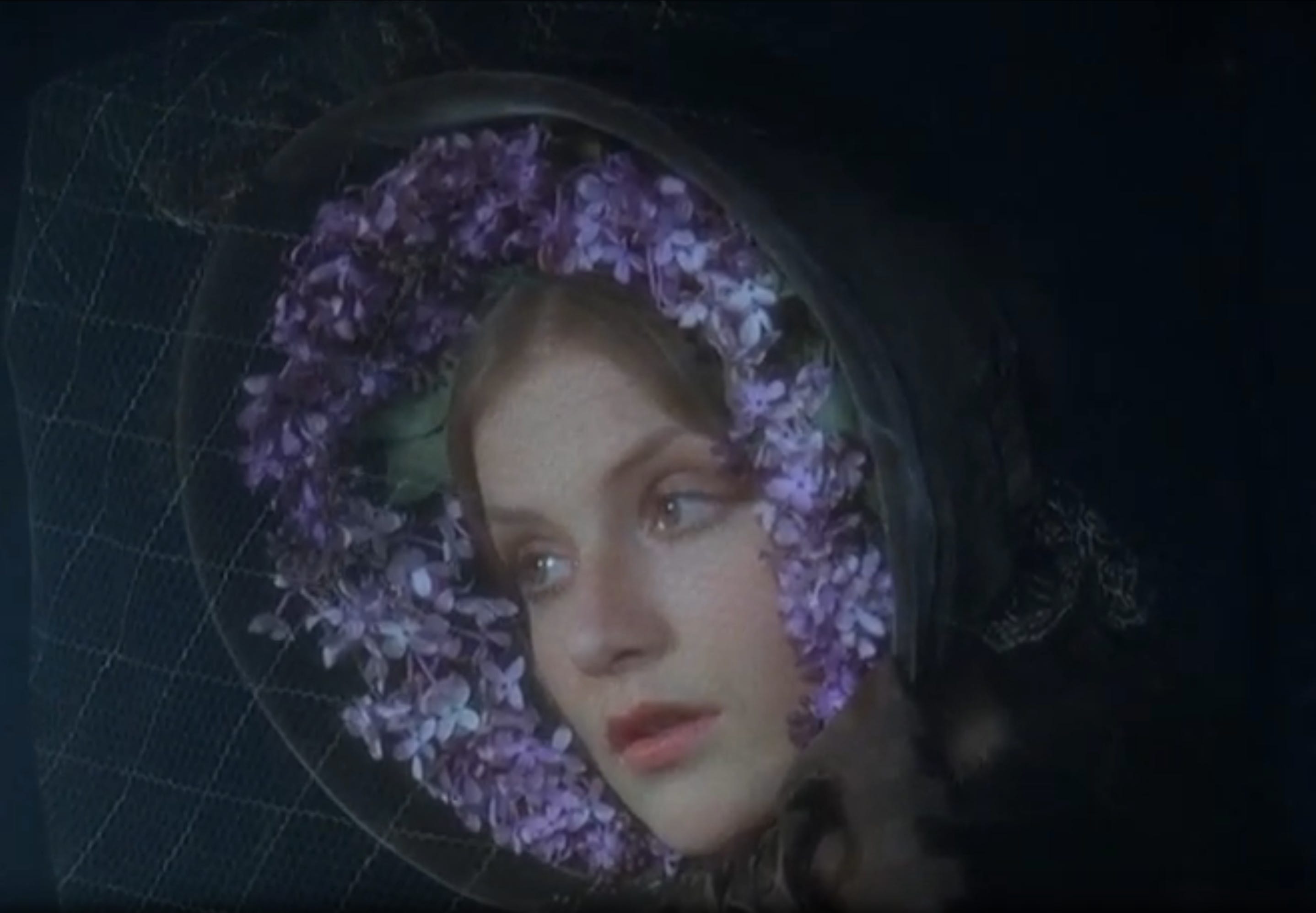
Romanticism in Victorian Times
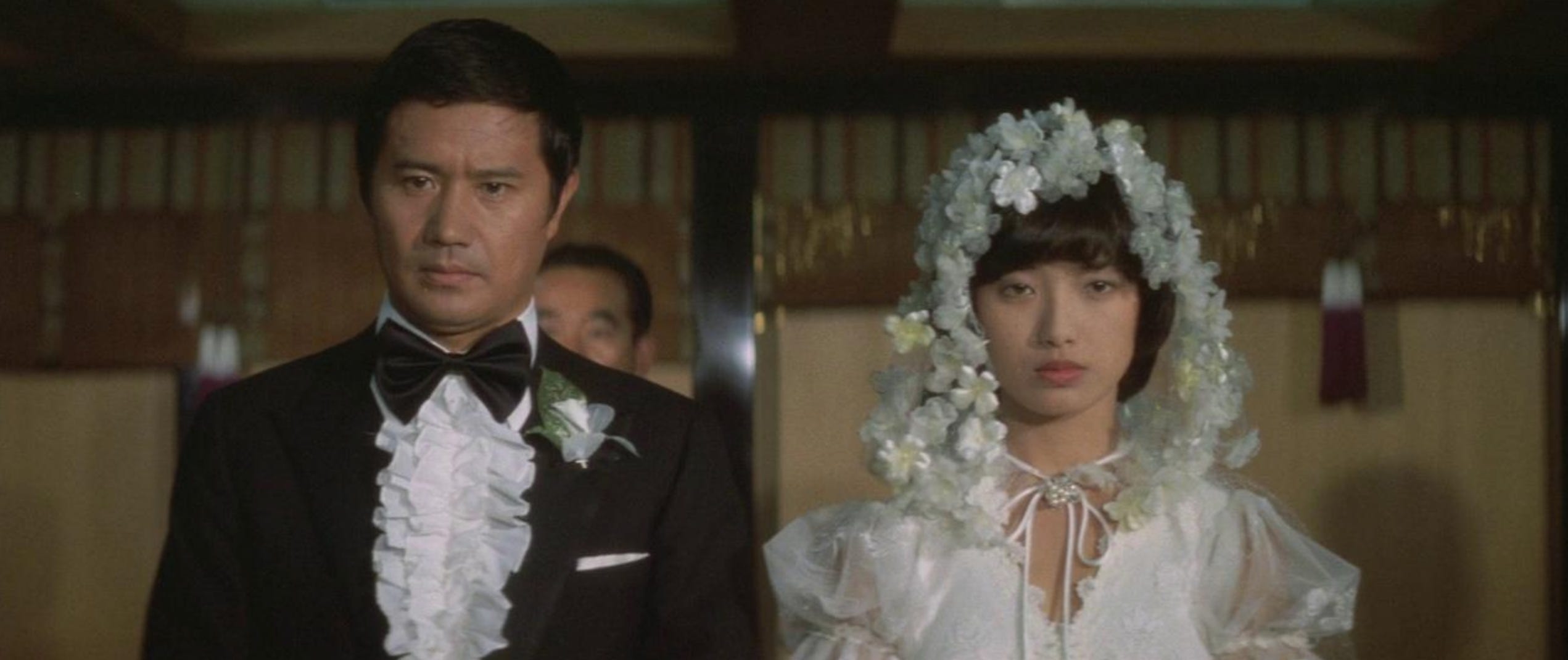
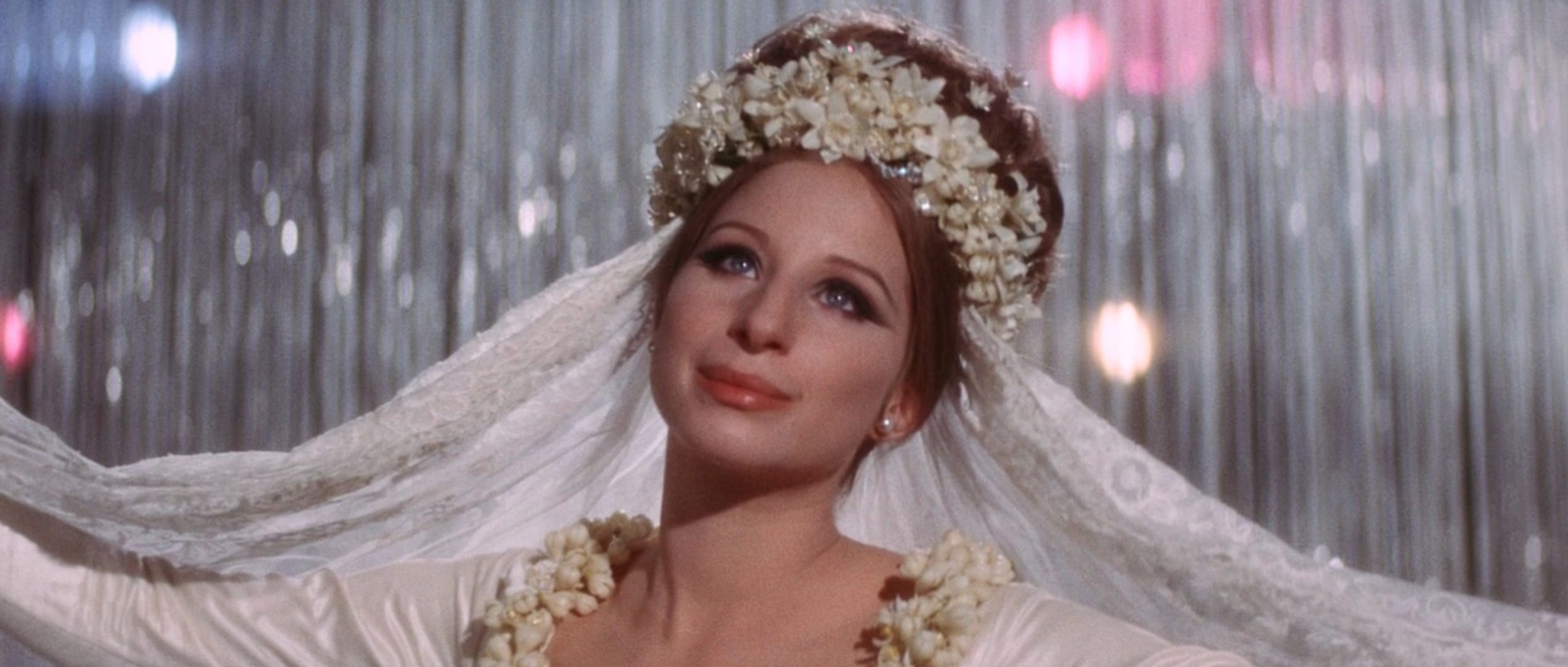
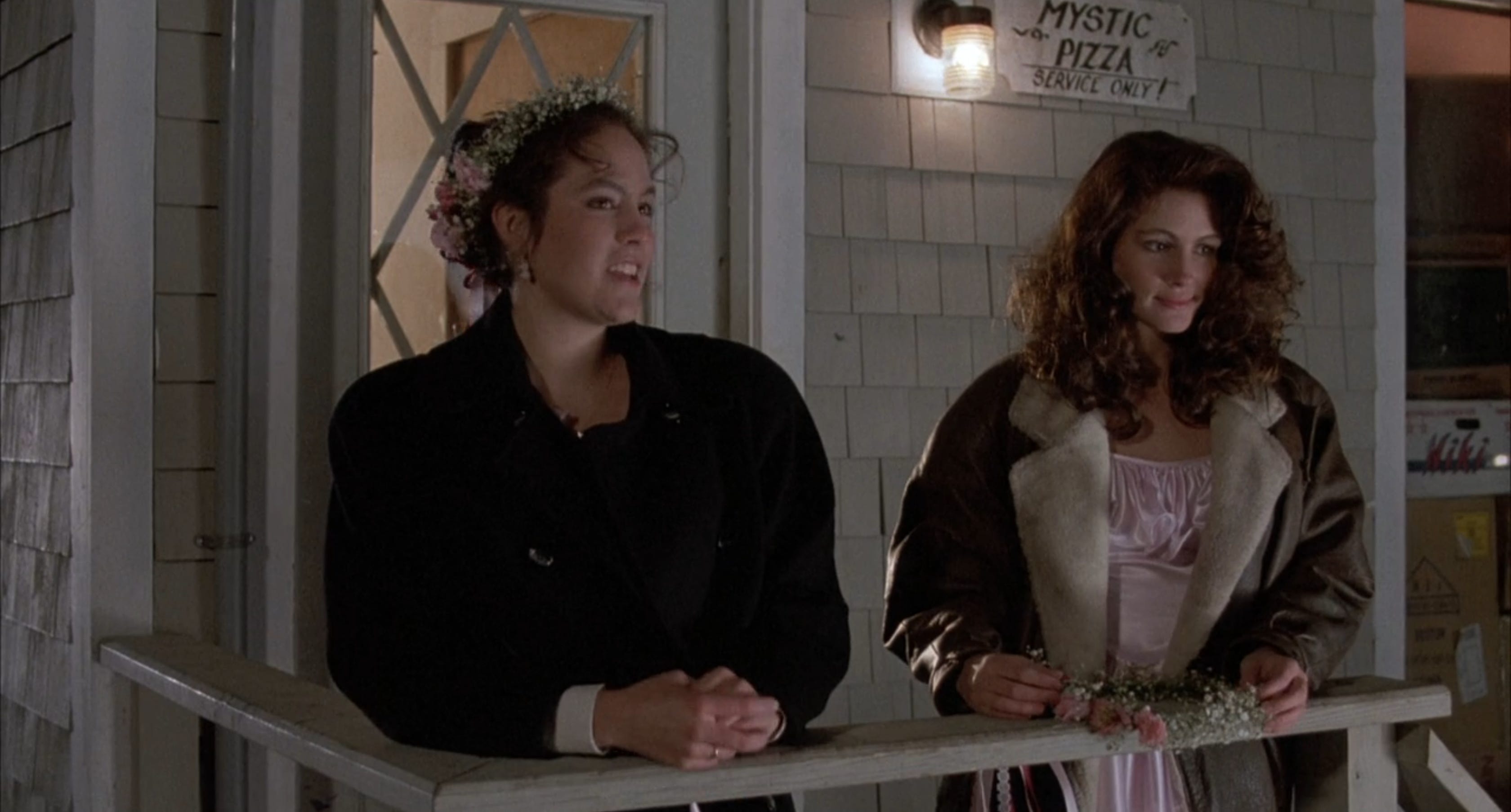
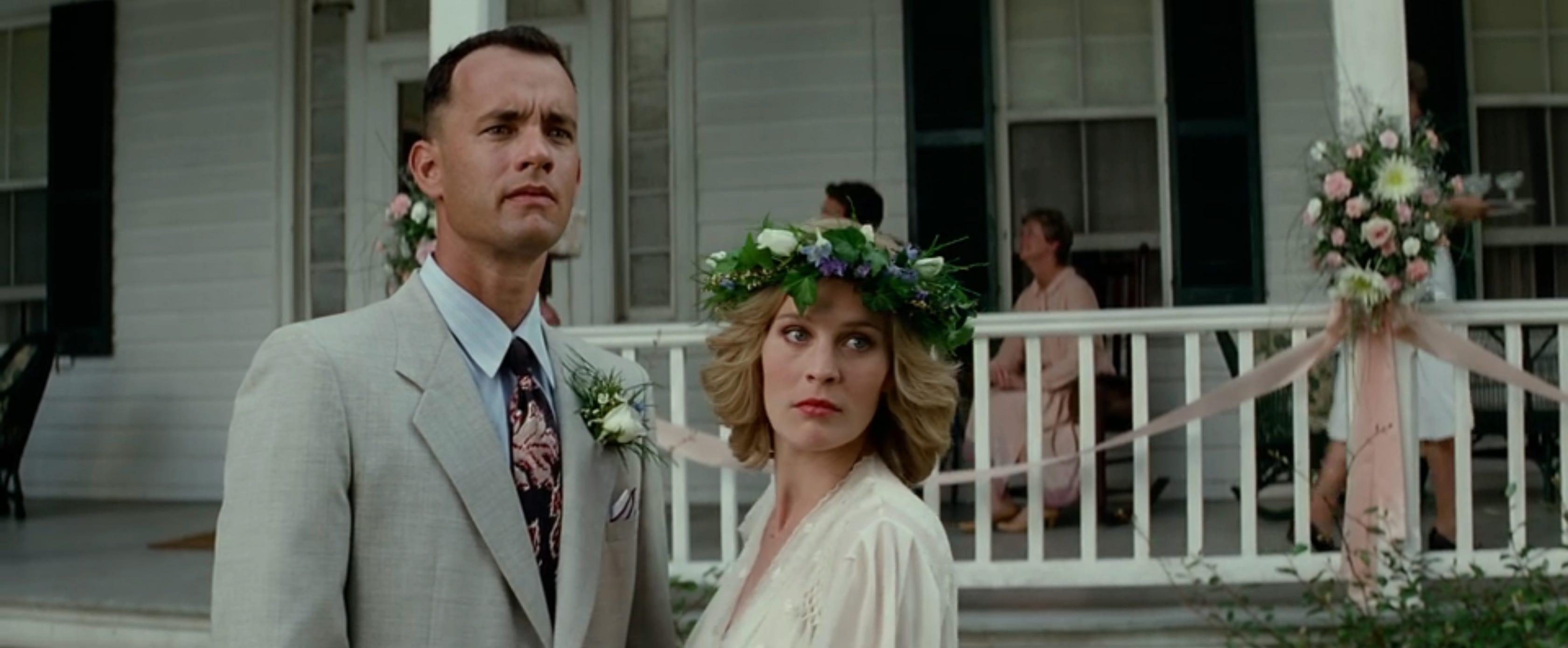
By the time the Victorian era began in the 19th century, the flower crown had taken on new layers of meaning. It was no longer a mark of divine favor or military glory but rather a symbol of sentiment and femininity. Victorians were deeply invested in floriography, the “language of flowers.” Flowers held their own meanings, such as roses for love, lilies for purity, and violets for modesty. Flower crowns were most often seen on brides, where crowns of orange blossom, myrtle, and white flowers symbolized innocence and virtue.
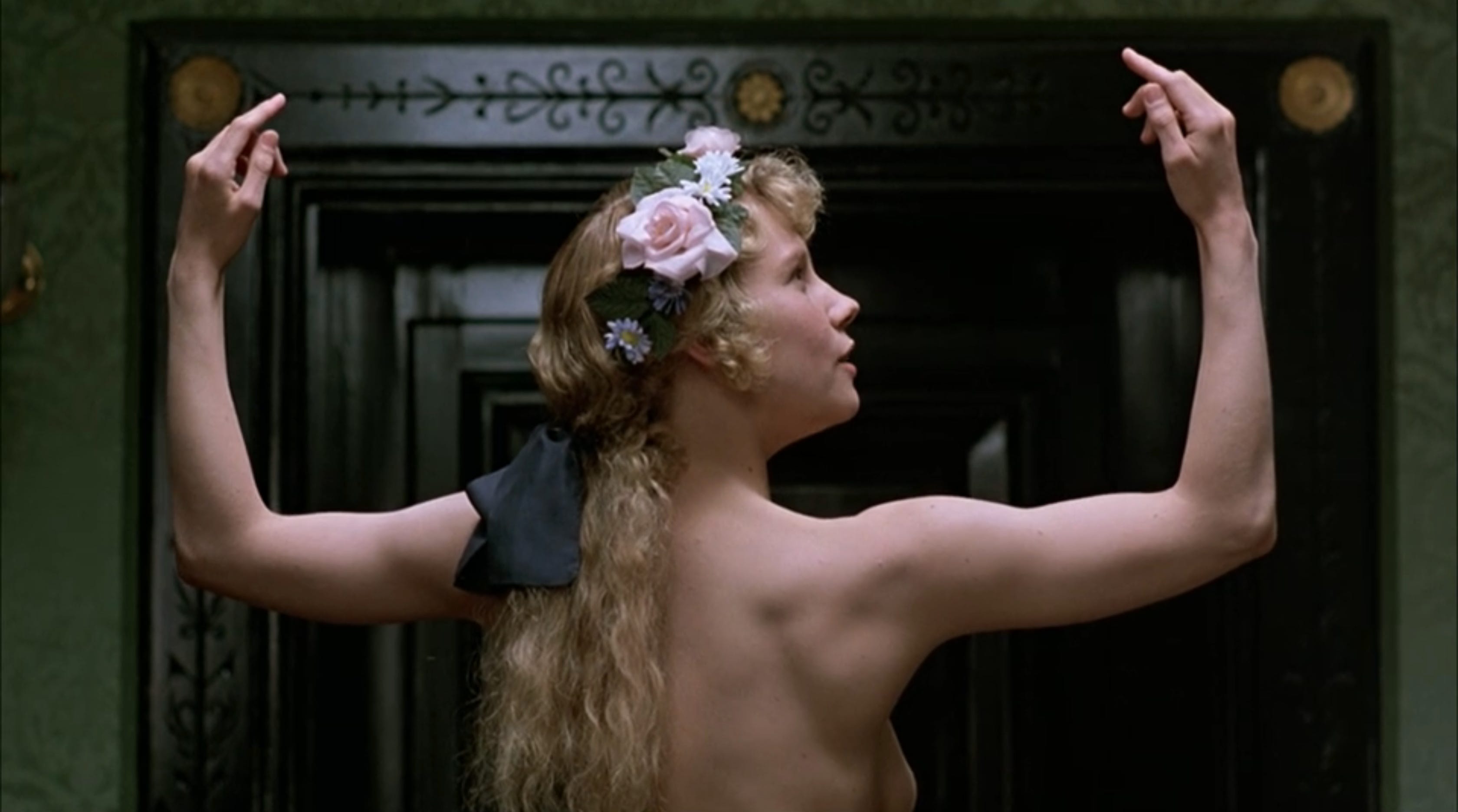
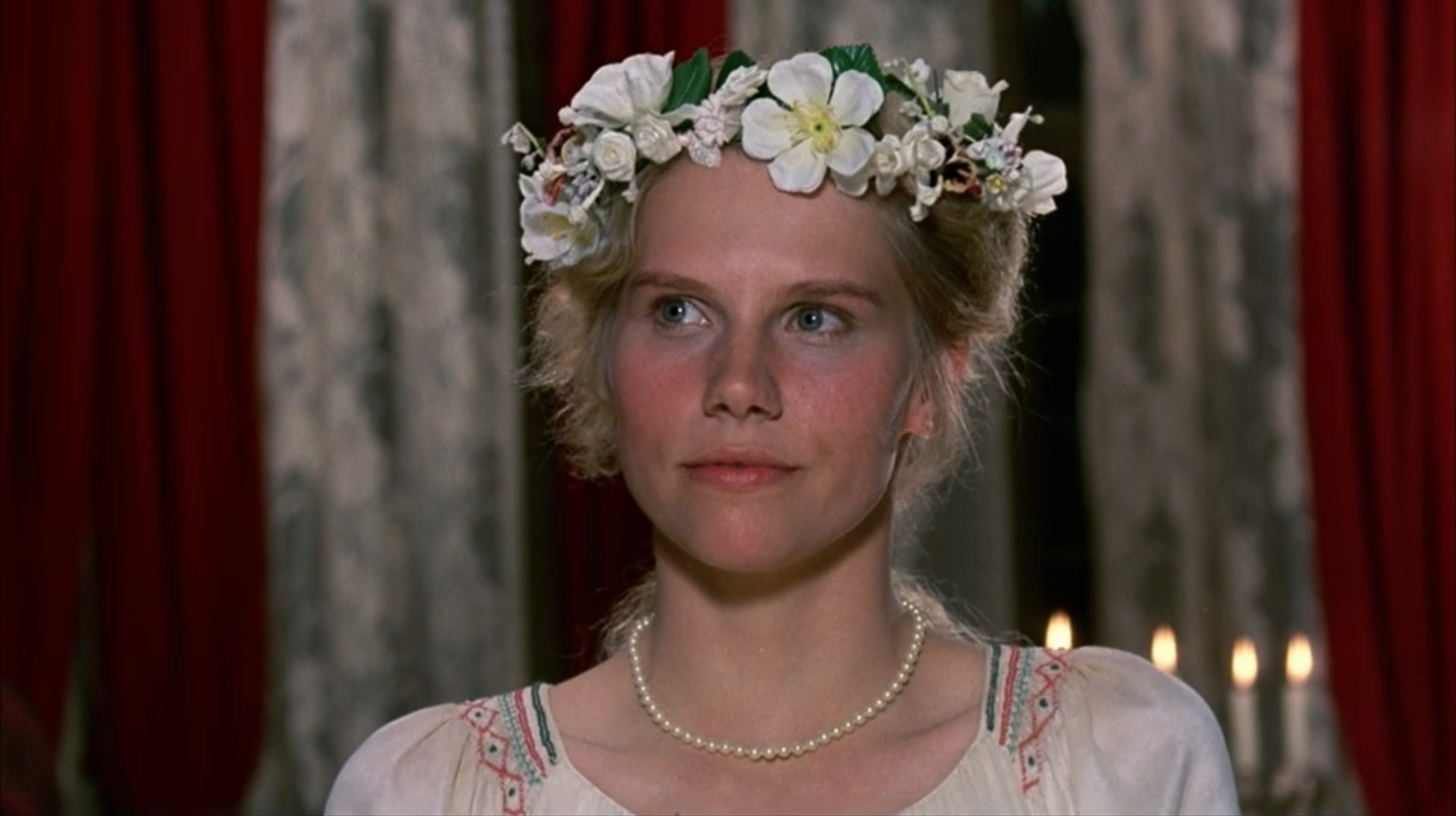


Queen Victoria & Weddings
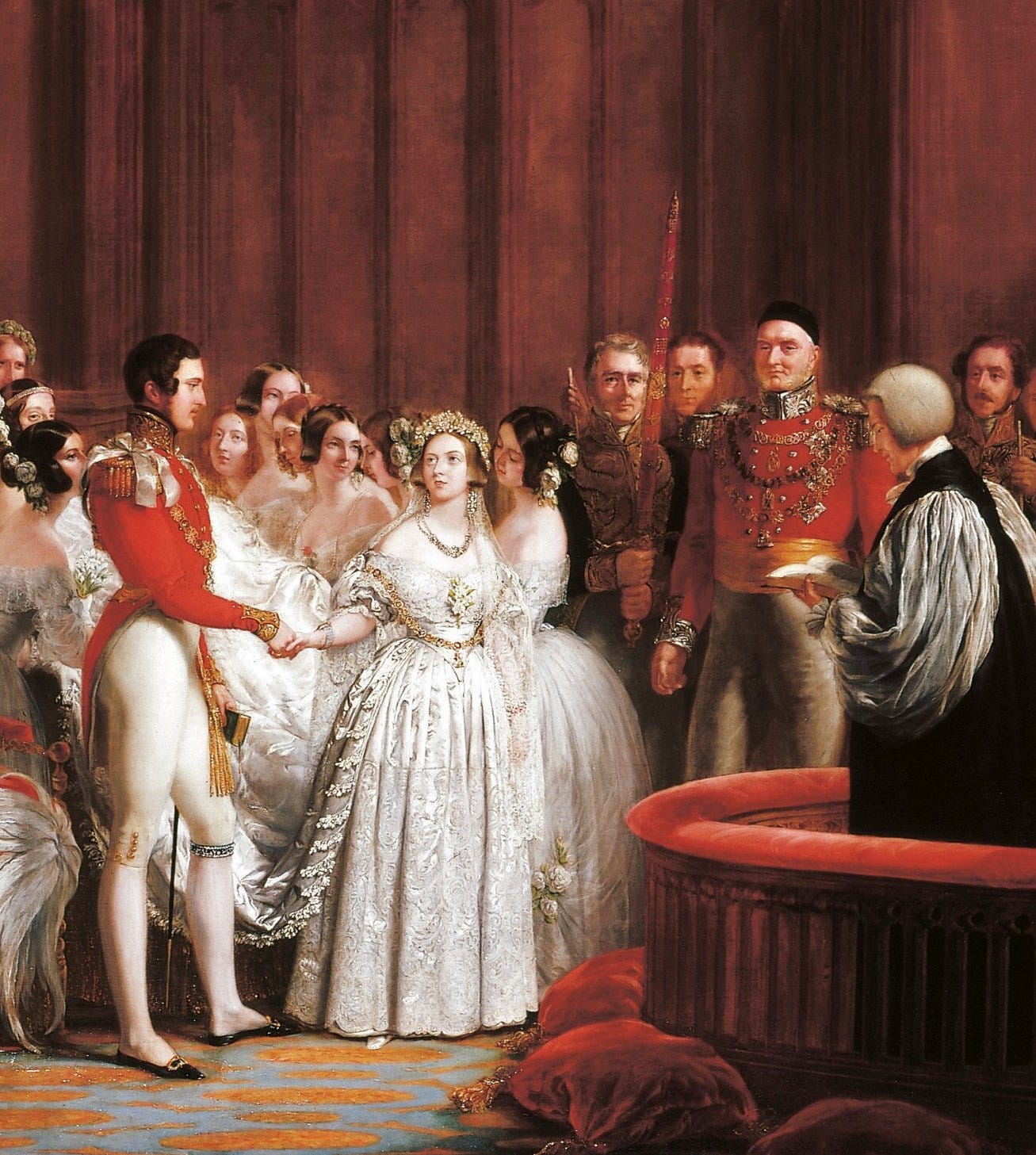
When Queen Victoria married Prince Albert on February 10, 1840, she made a choice to not wear a tiara and instead wore a wreath of orange blossoms, which represents chastity. This tradition started with Queen Victoria herself, and her daughters and other royal brides continued the tradition, using orange blossoms in wreaths, brooches, or as part of their wedding dress designs.
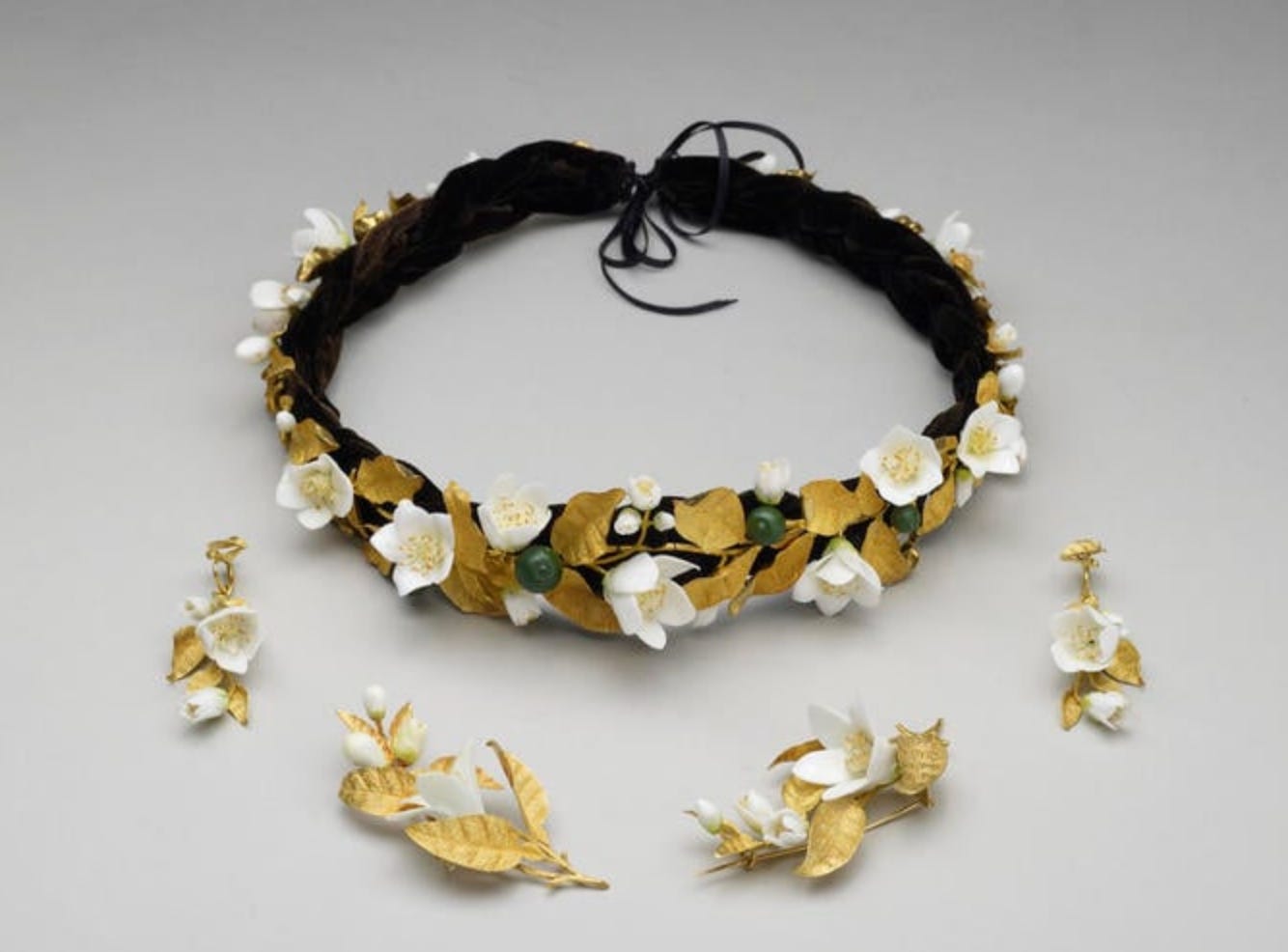
Queen Victoria’s use of the orange blossom didn’t stop at her wedding. It became a personal emblem of her love for Albert. Over the course of their marriage, he gifted her jewelry in the form of orange blossoms, most notably a beautiful set of orange blossom-themed jewels made from porcelain, enamel, and gold. She wore these pieces regularly, especially on anniversaries.
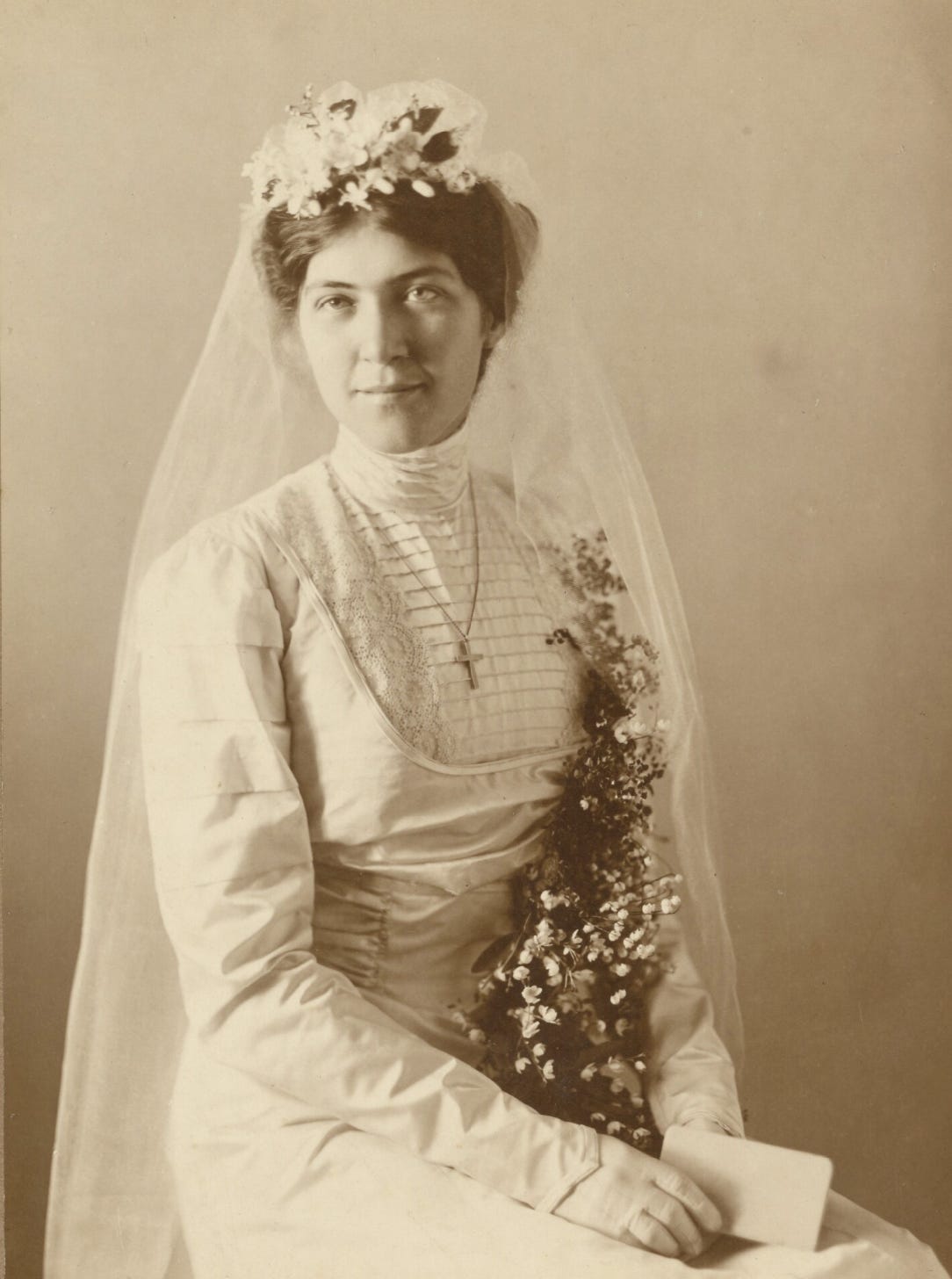
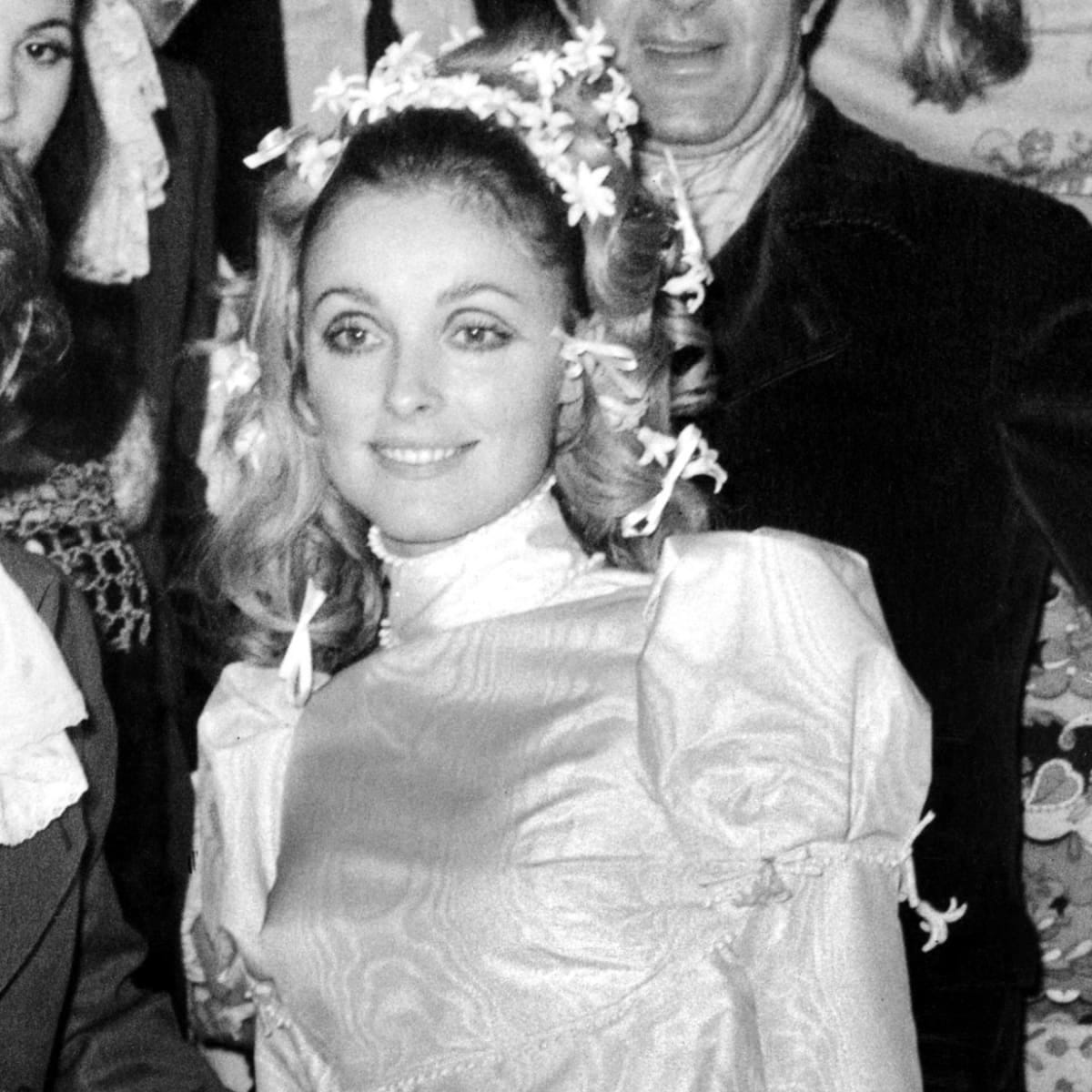
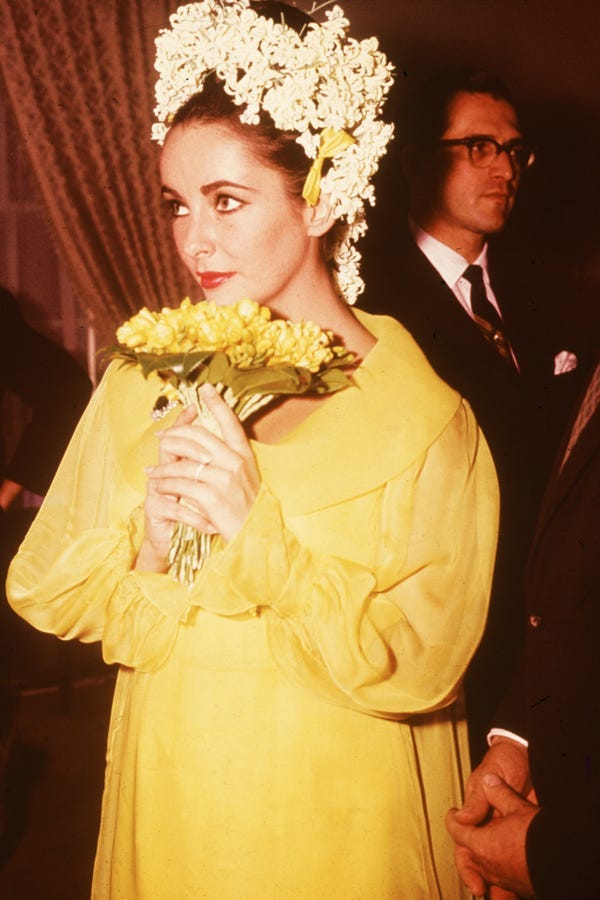
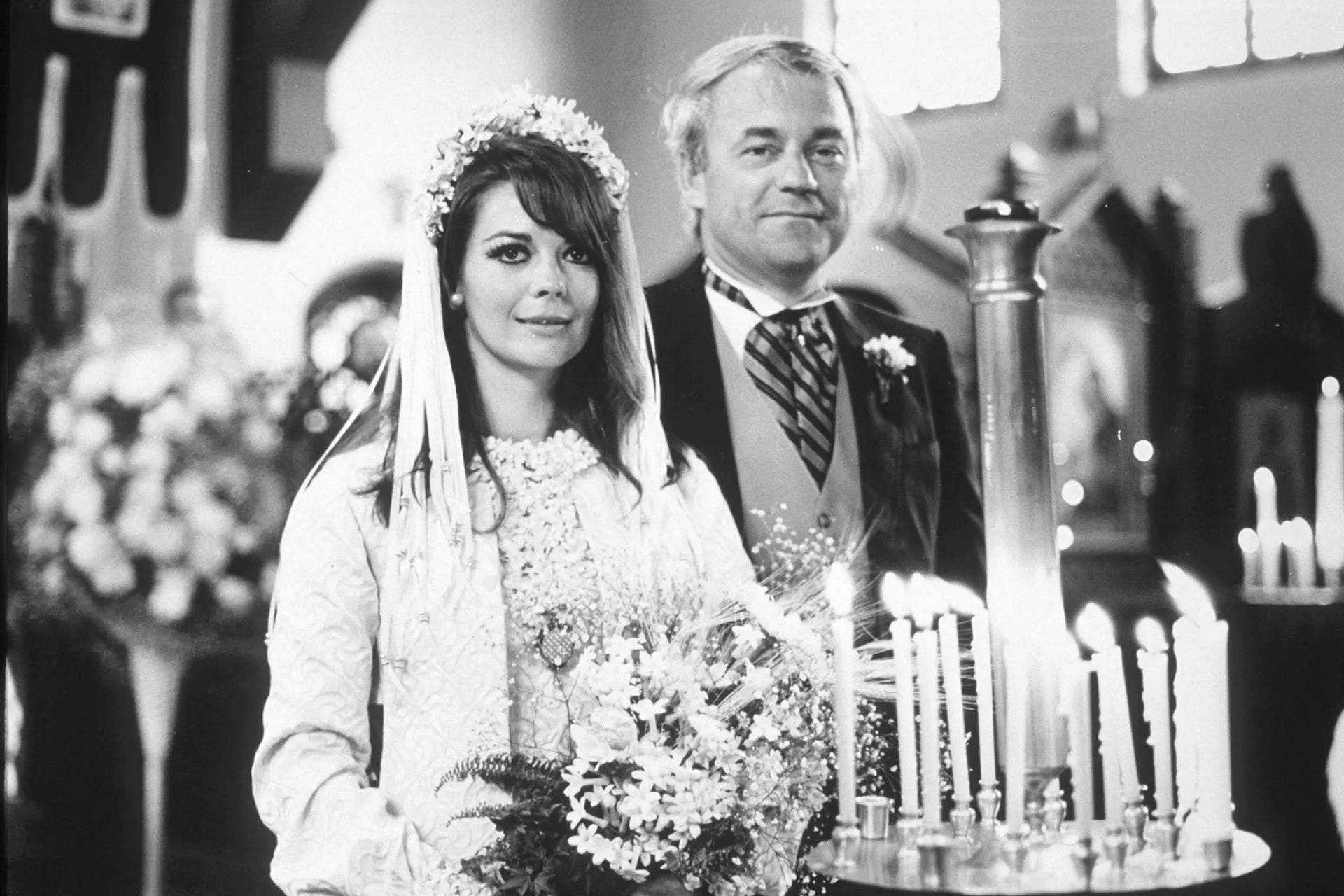
Further reading:
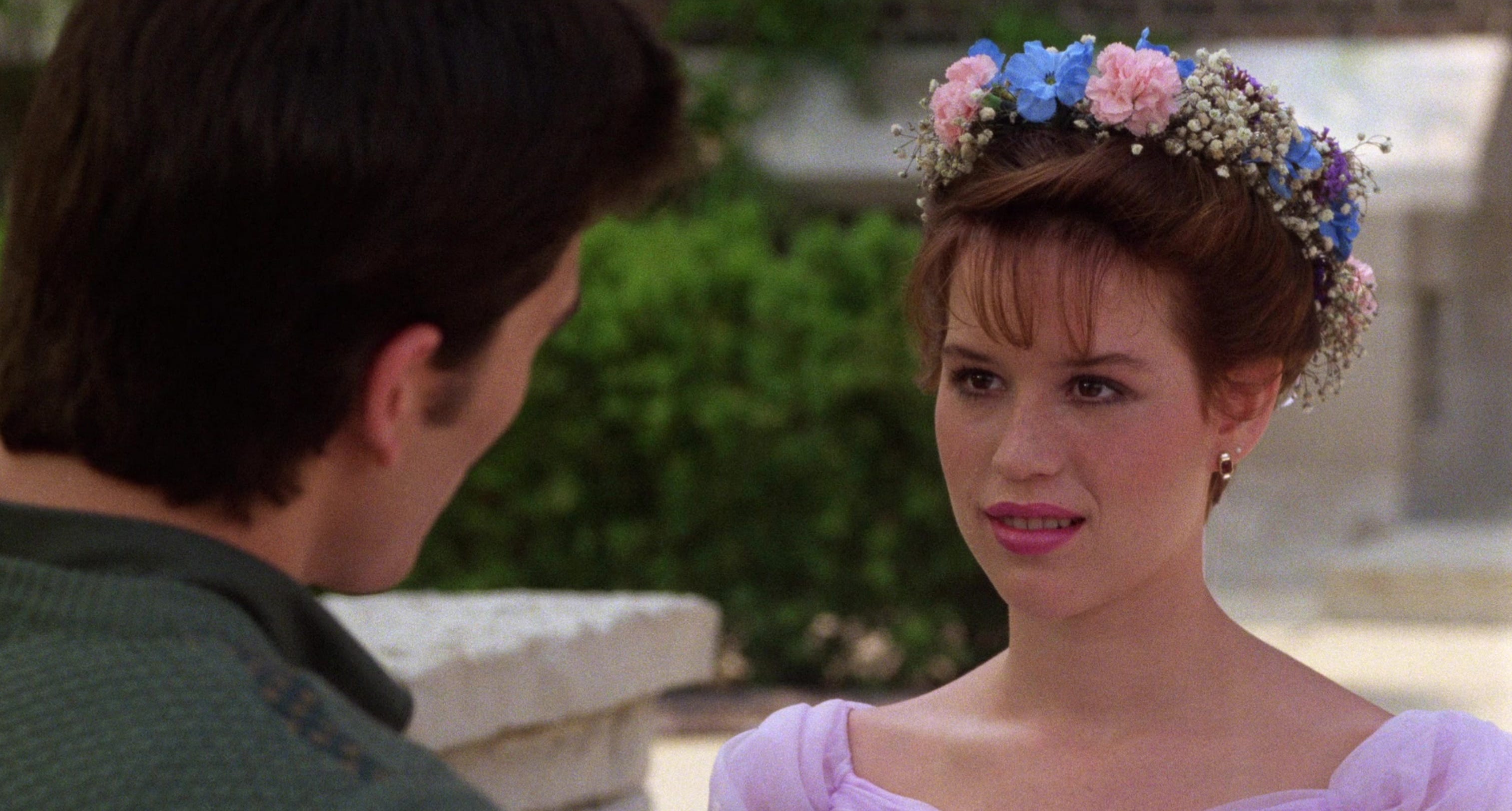
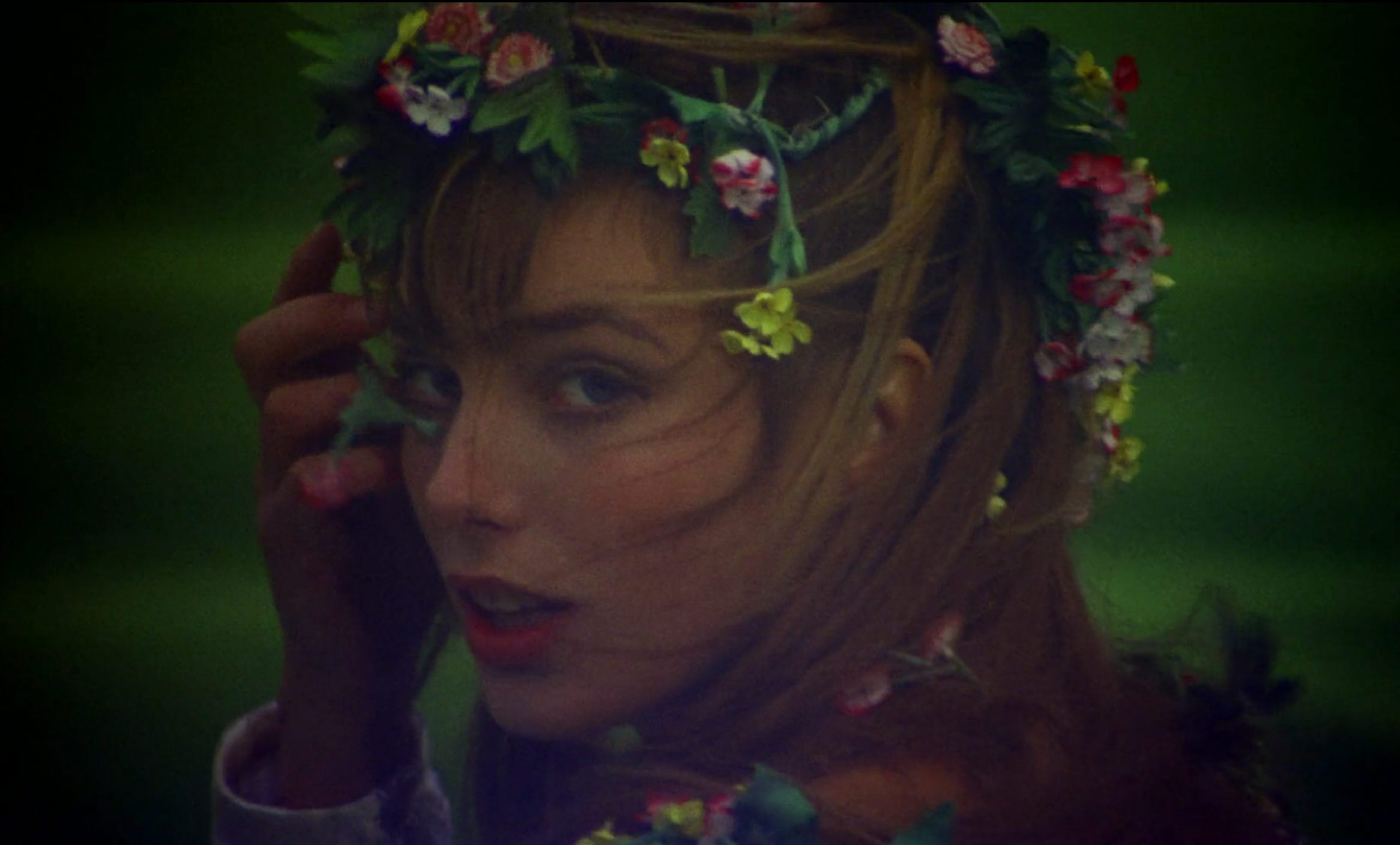
Rebirth in Counterculture / 1960s & 1970s
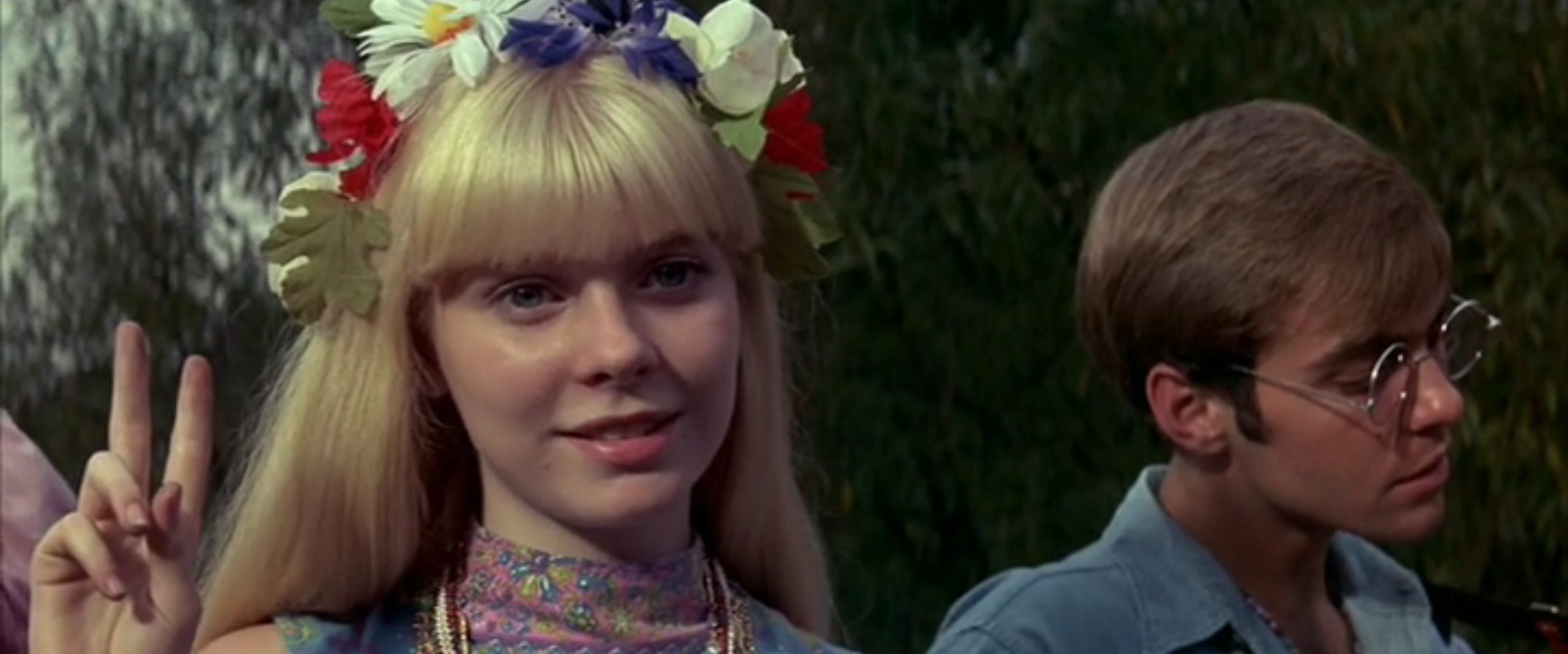
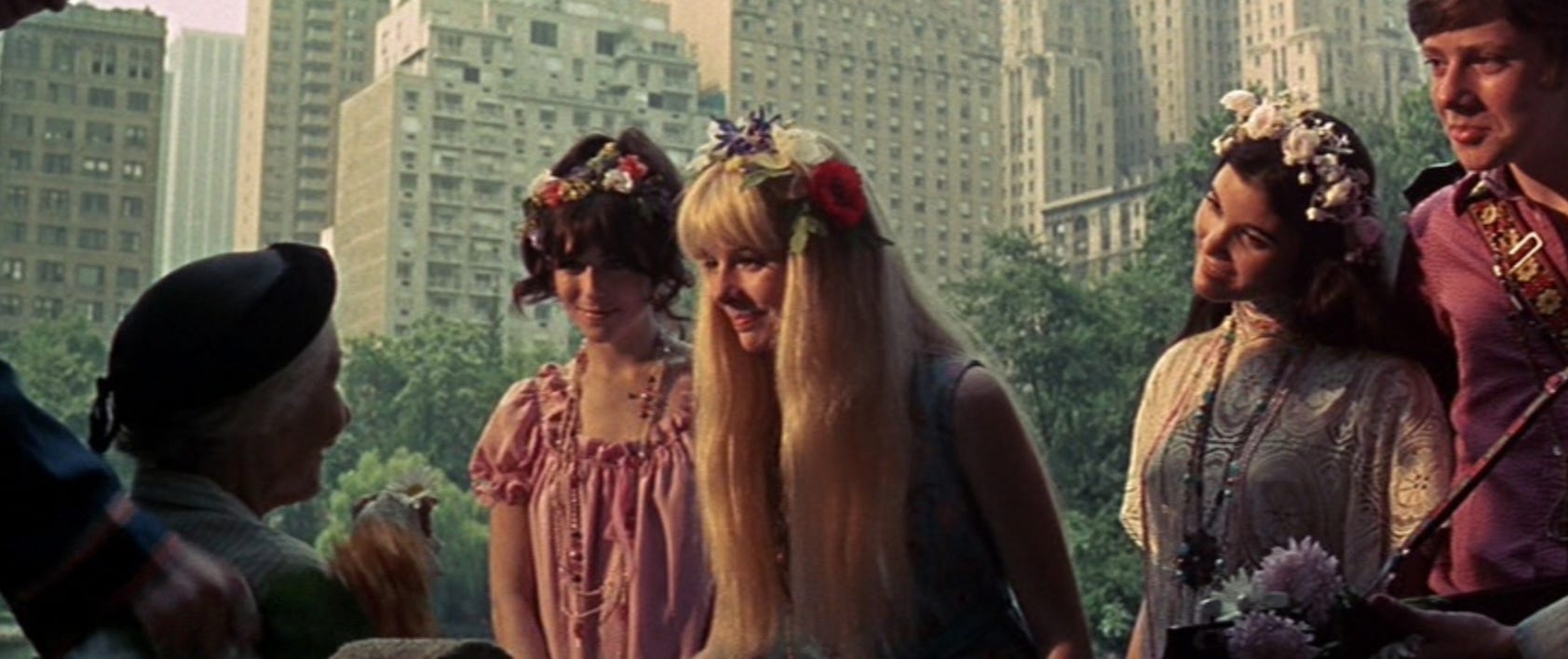
Flower crowns resurfaced in the late 1960s counterculture in Berkeley, CA, when the term "flower power" was coined as a nonviolent protest against the Vietnam War. It became a symbol of peace and quiet resistance. American poet Allen Ginsberg elaborated on the concept of Flower Power in his essay "How to Make a March/Spectacle." In his essay, Ginsberg described the deliberate use of flower imagery to encourage peace and ease tensions between protesters and law enforcement. Although he did not mention the term flower power in his article, it would become one of the most prominent slogans used by peace activists during anti-Vietnam War demonstrations. Ginsberg intended to counteract the specter of Hells Angels, a motorcycle group that supported the war. As the popularity of flower power motifs grew, flower imagery appeared on almost every aspect of hippie culture, including clothing, propaganda, and even cars.

Further reading:
The White Album by Joan Didion—She writes on the shift from optimism and naiveté in California's history and politics throughout the late 1960s and early 1970s
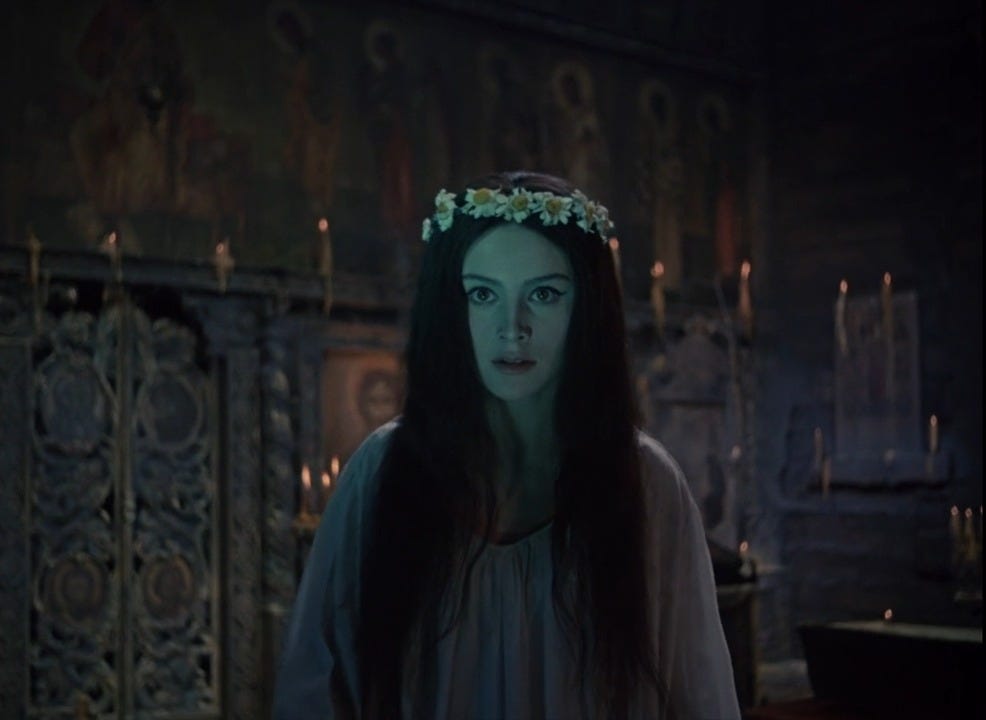
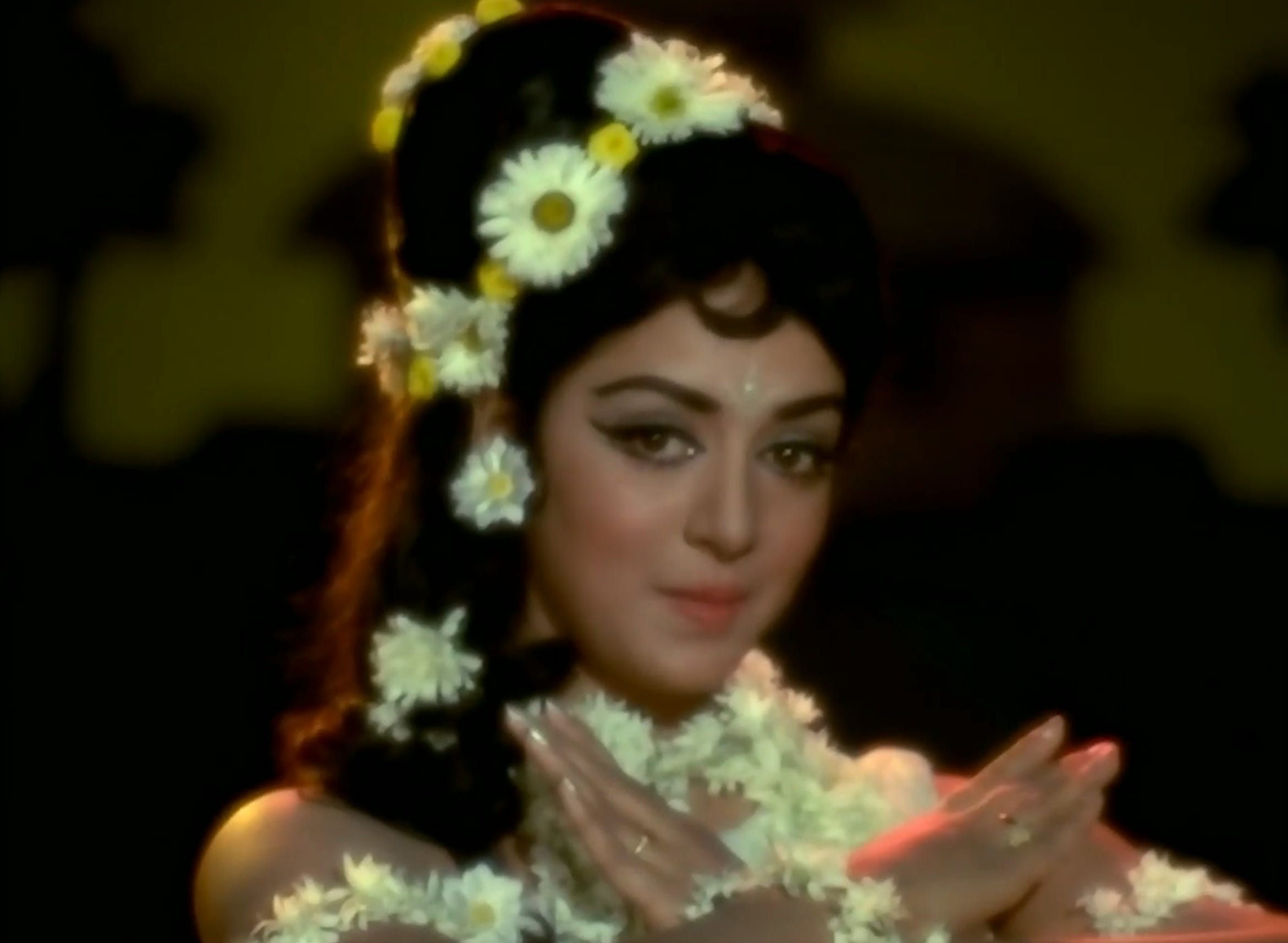
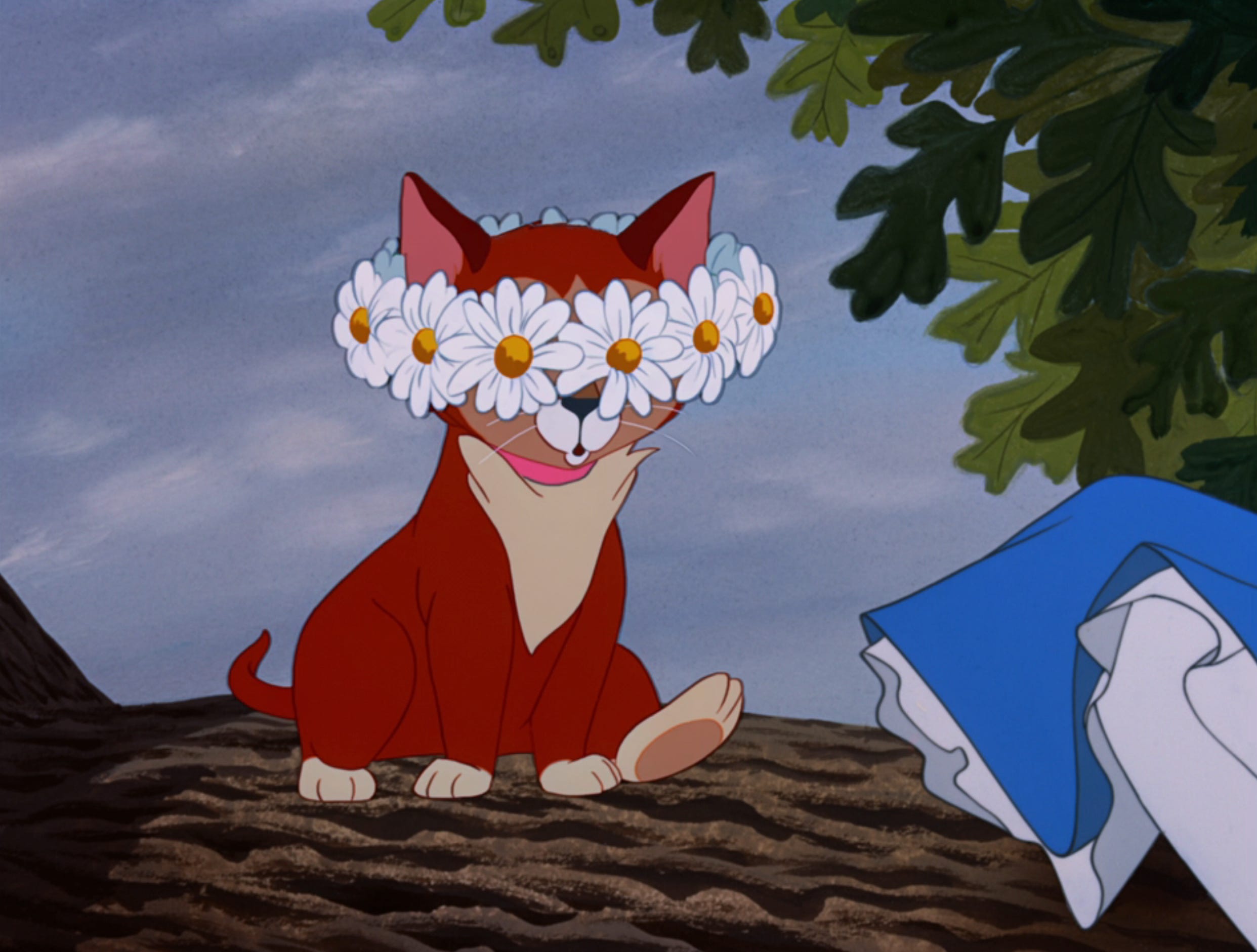
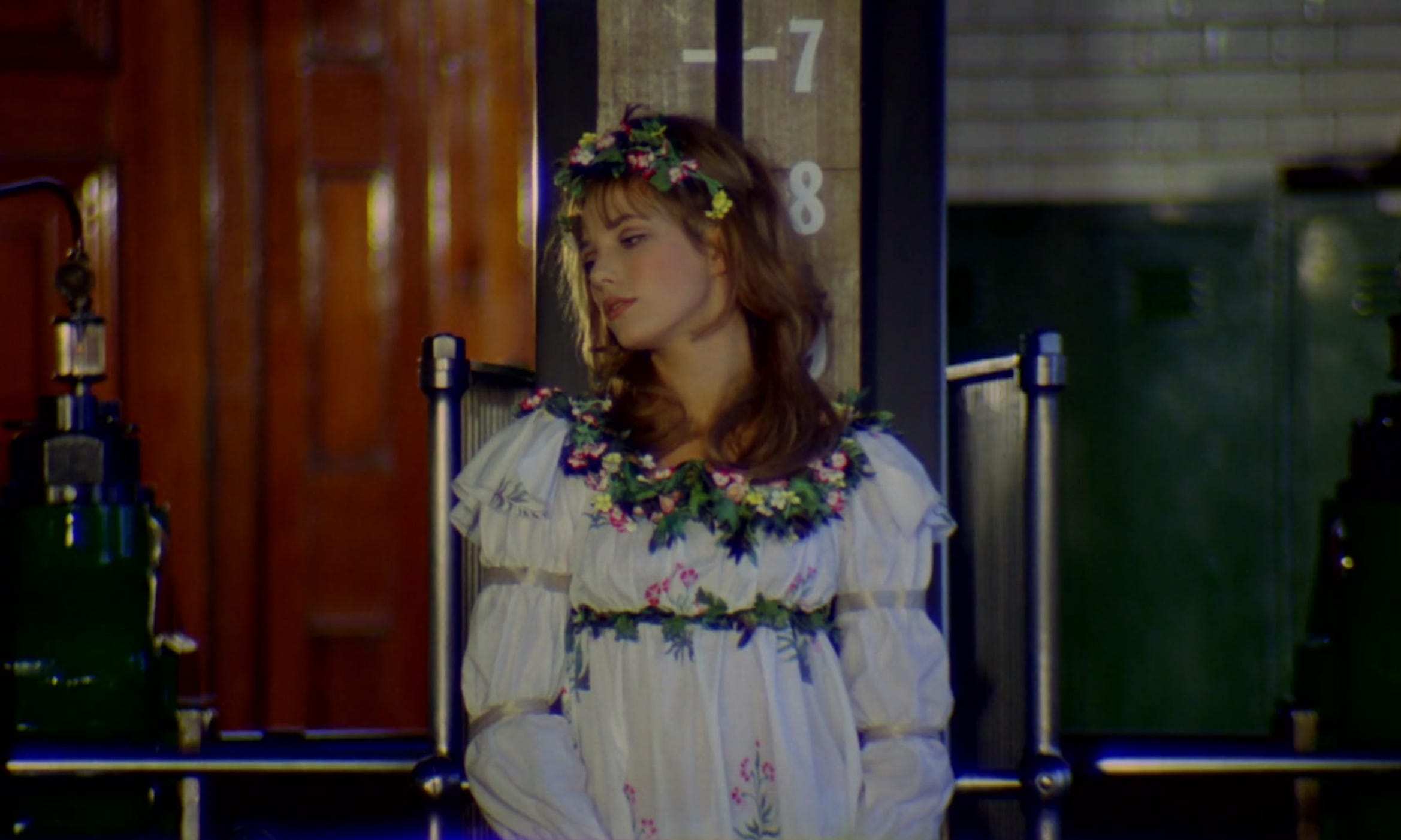
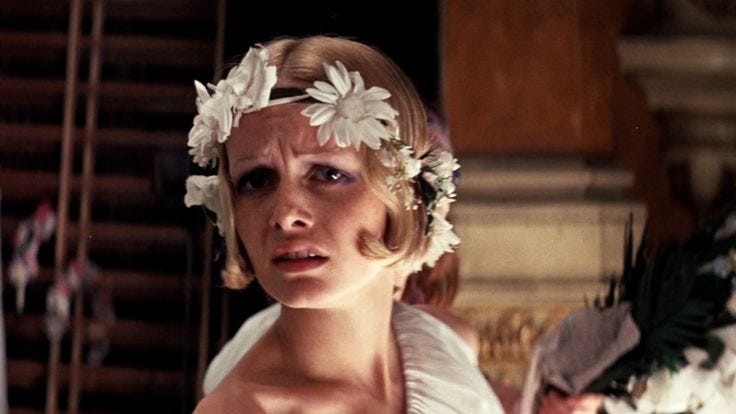
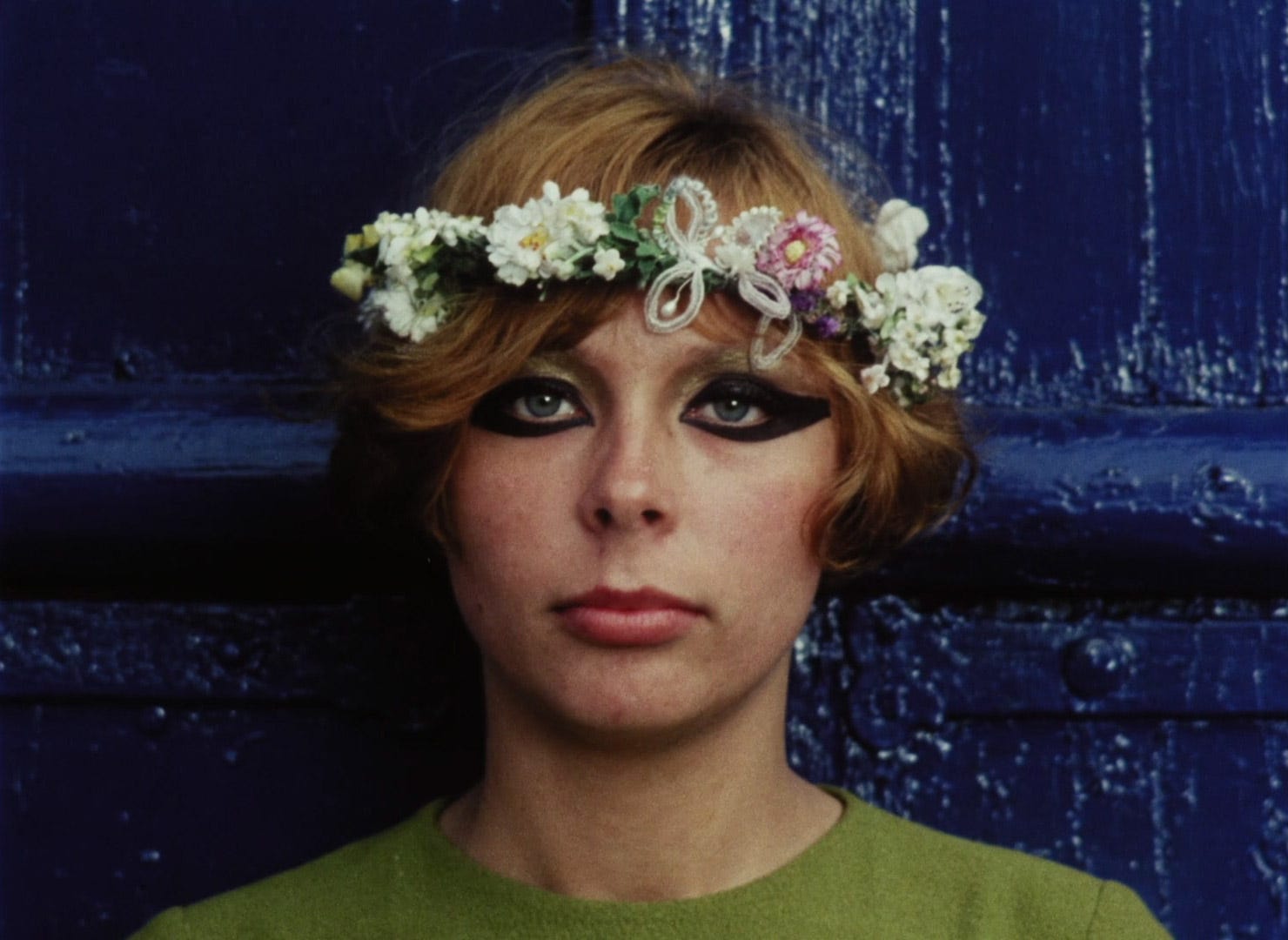
Midsummer & Folklore
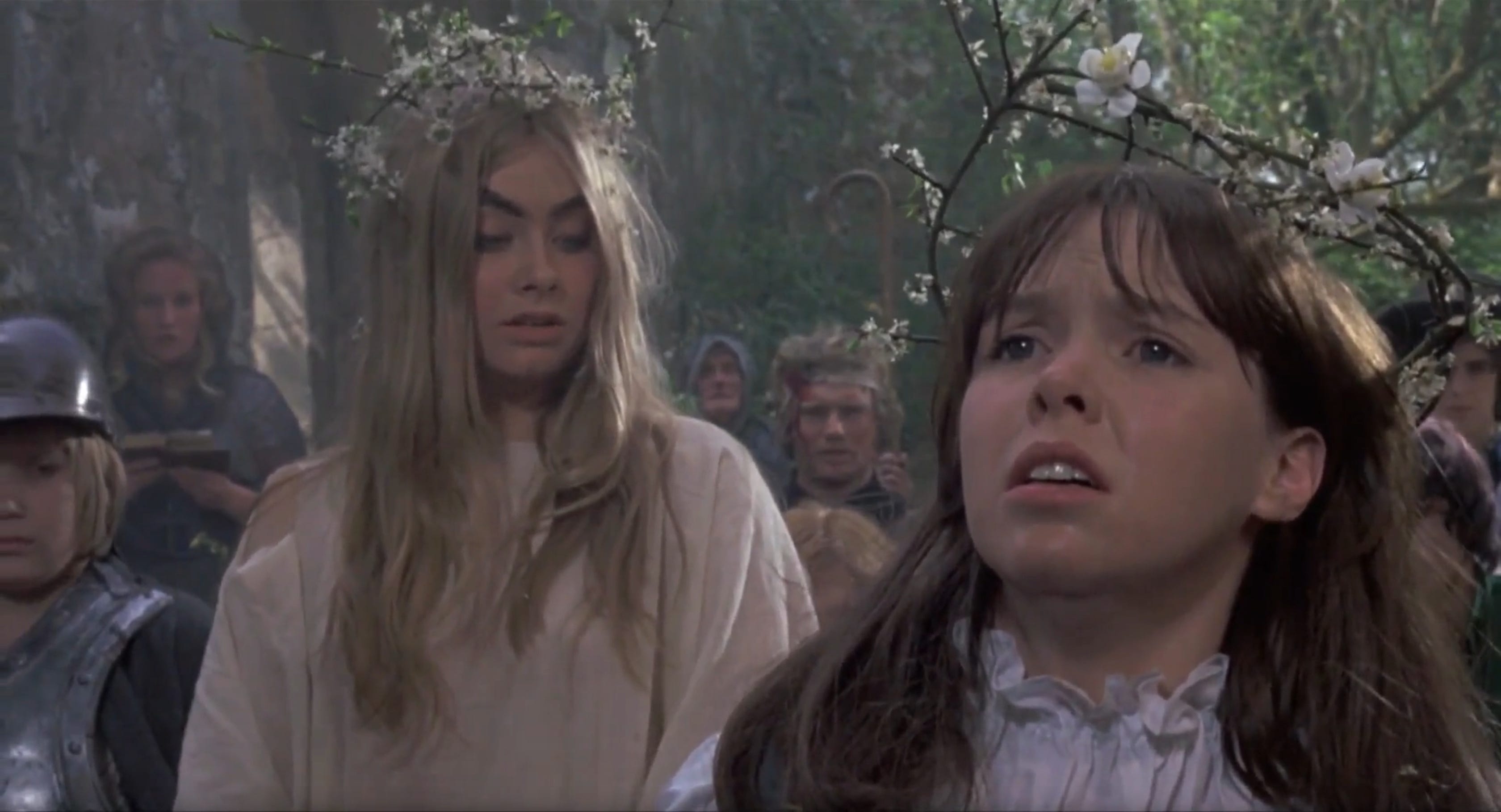
The term 'midsummer' originates in Old English as midsumor and refers to the period surrounding the summer solstice. Midsummer is a celebration of summer and nature's bounty that occurs on or near the Northern Hemisphere's summer solstice, the longest day of the year. Midsummer is believed to be an occasion when nature has extraordinary powers, particularly in flowers, leaves, and forests possessing magical characteristics. Traditionally, young women would pick seven different types of flowers and place them beneath their pillows to dream of their future partners. The flowers must be gathered in silently, or the illusion will be ruined.
In Sweden, people of all ages wear flower crowns called "midsommarkrans" on Midsummer Eve, frequently while dancing around the maypole, or "maja.
Further reading:
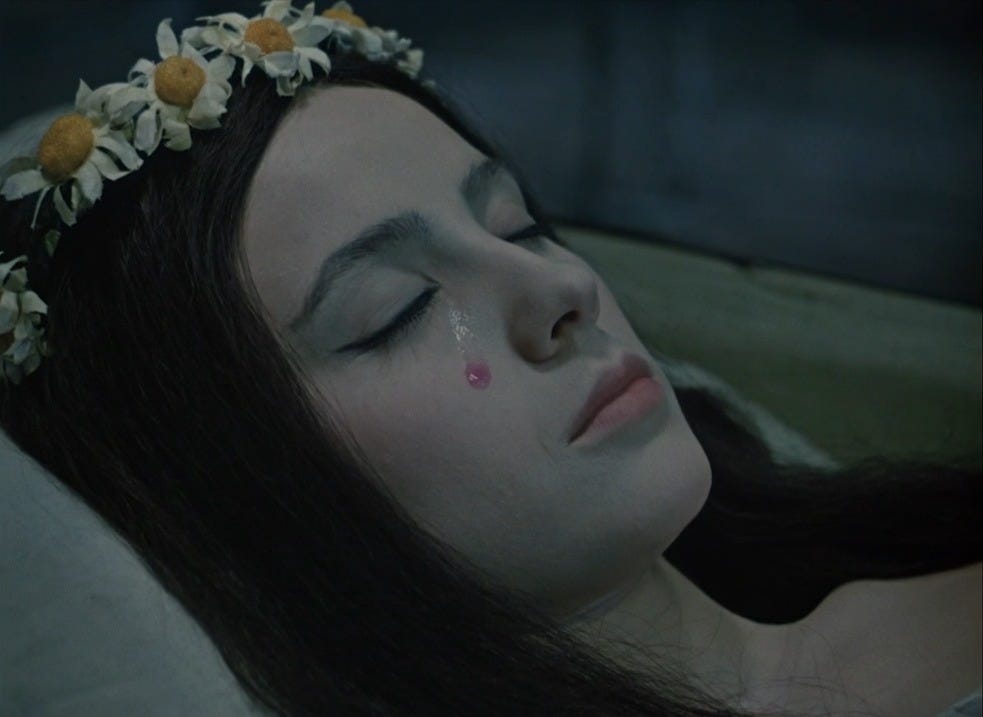
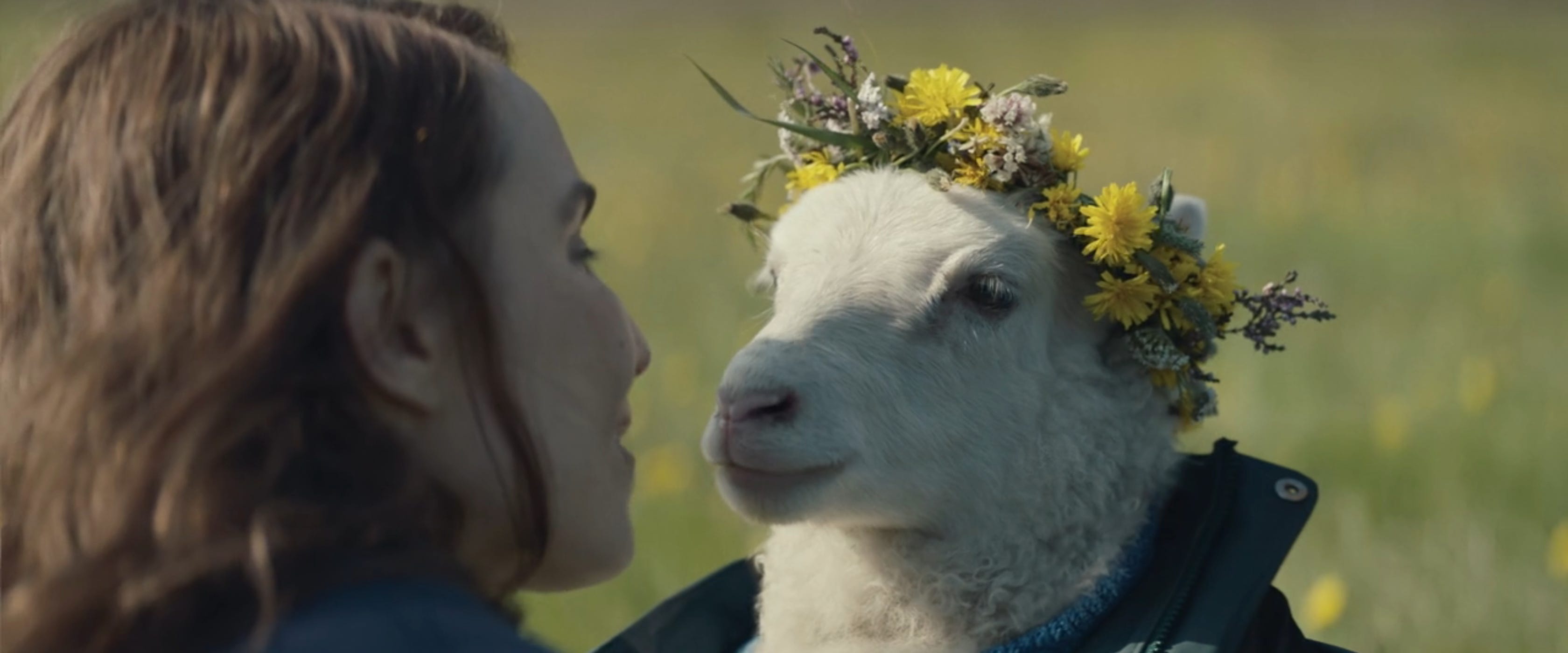
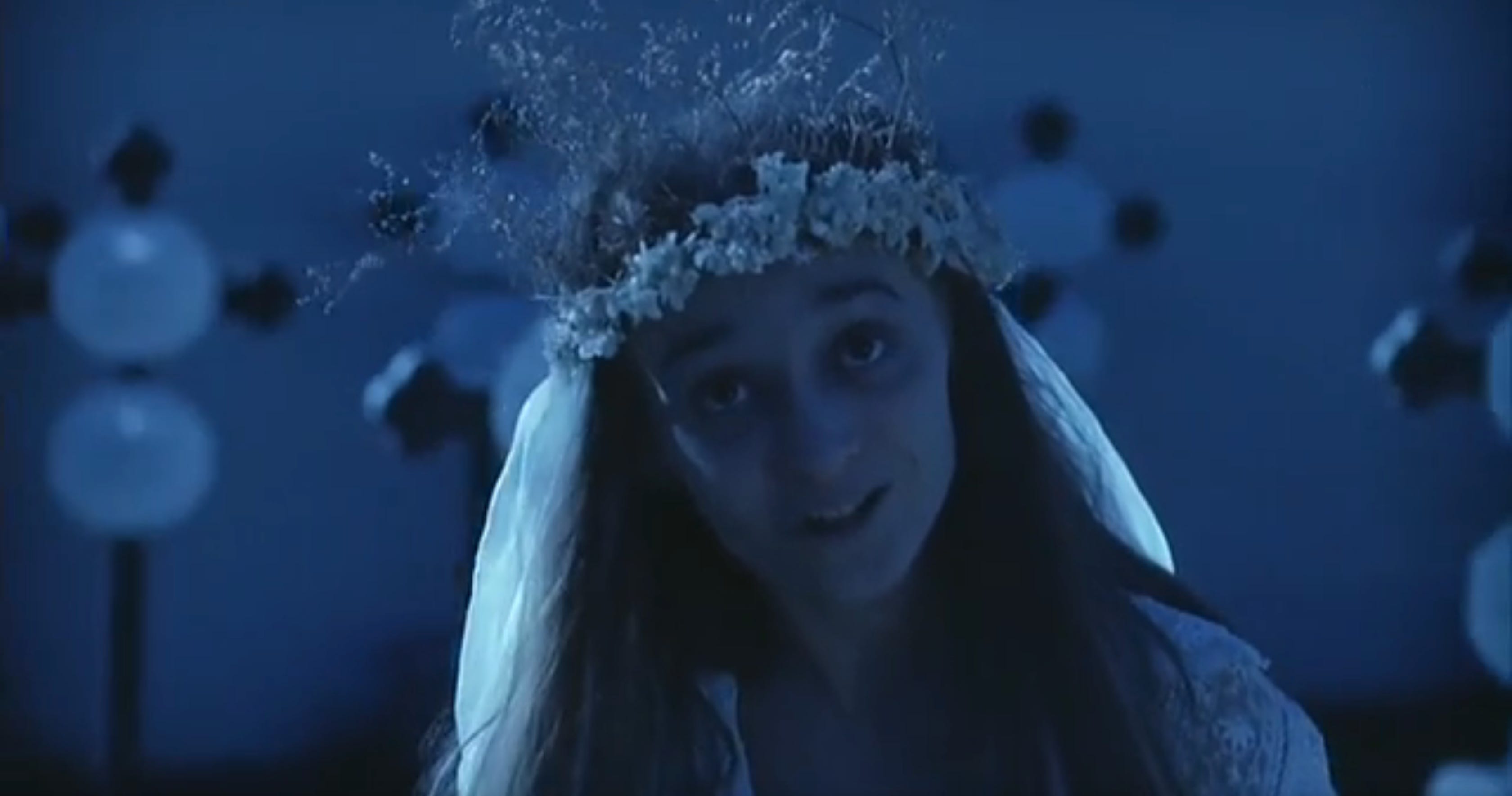
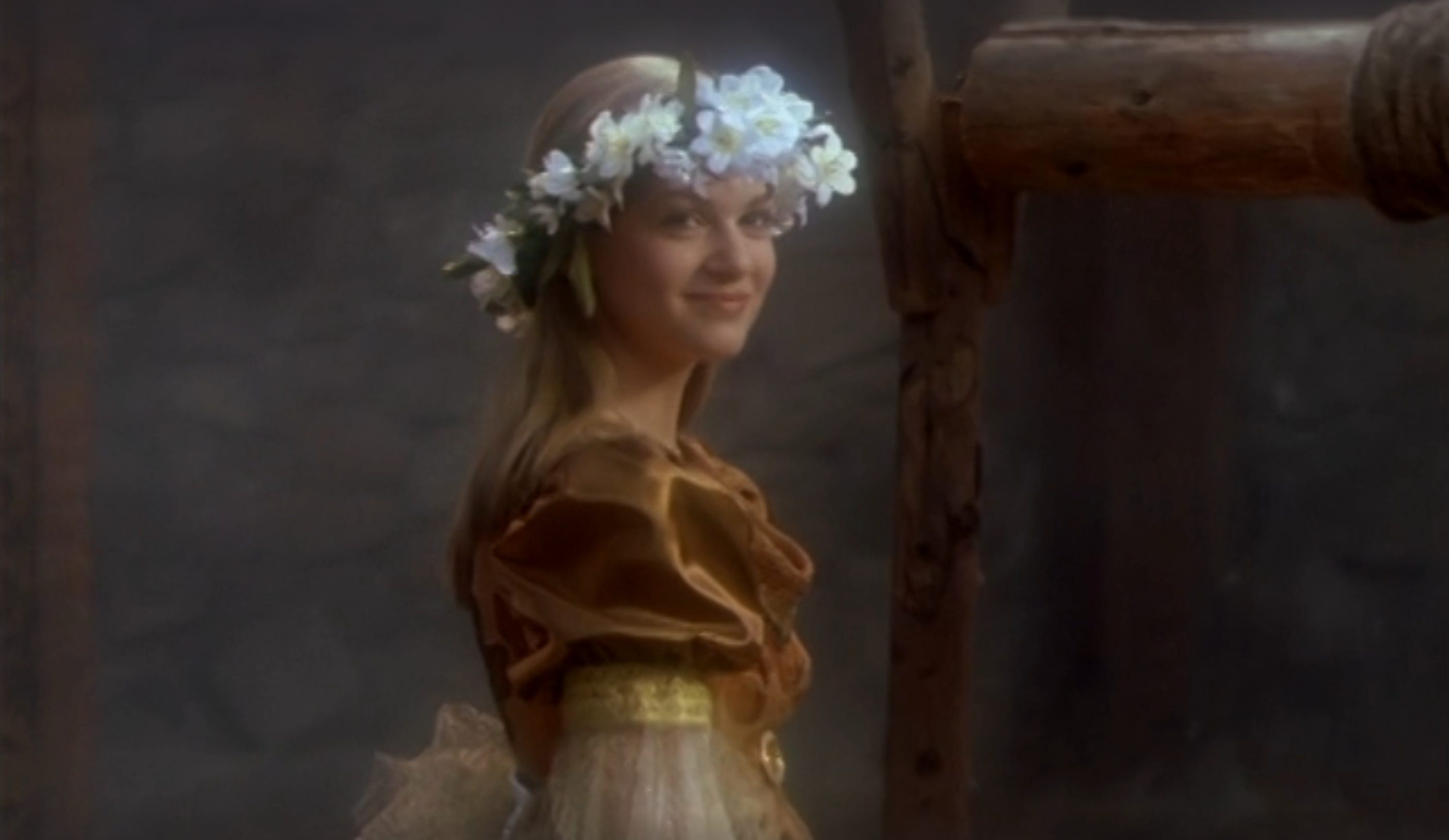
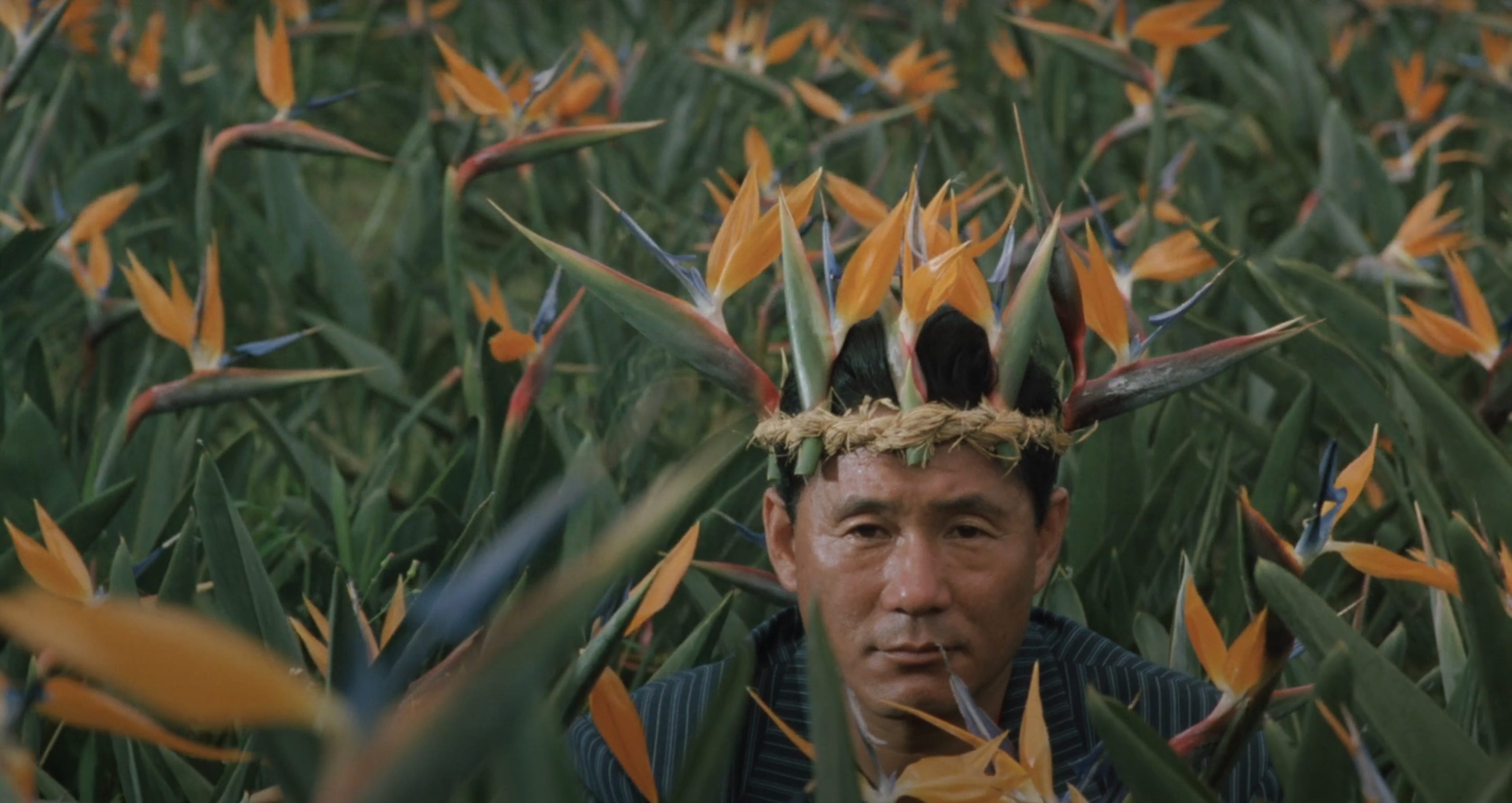
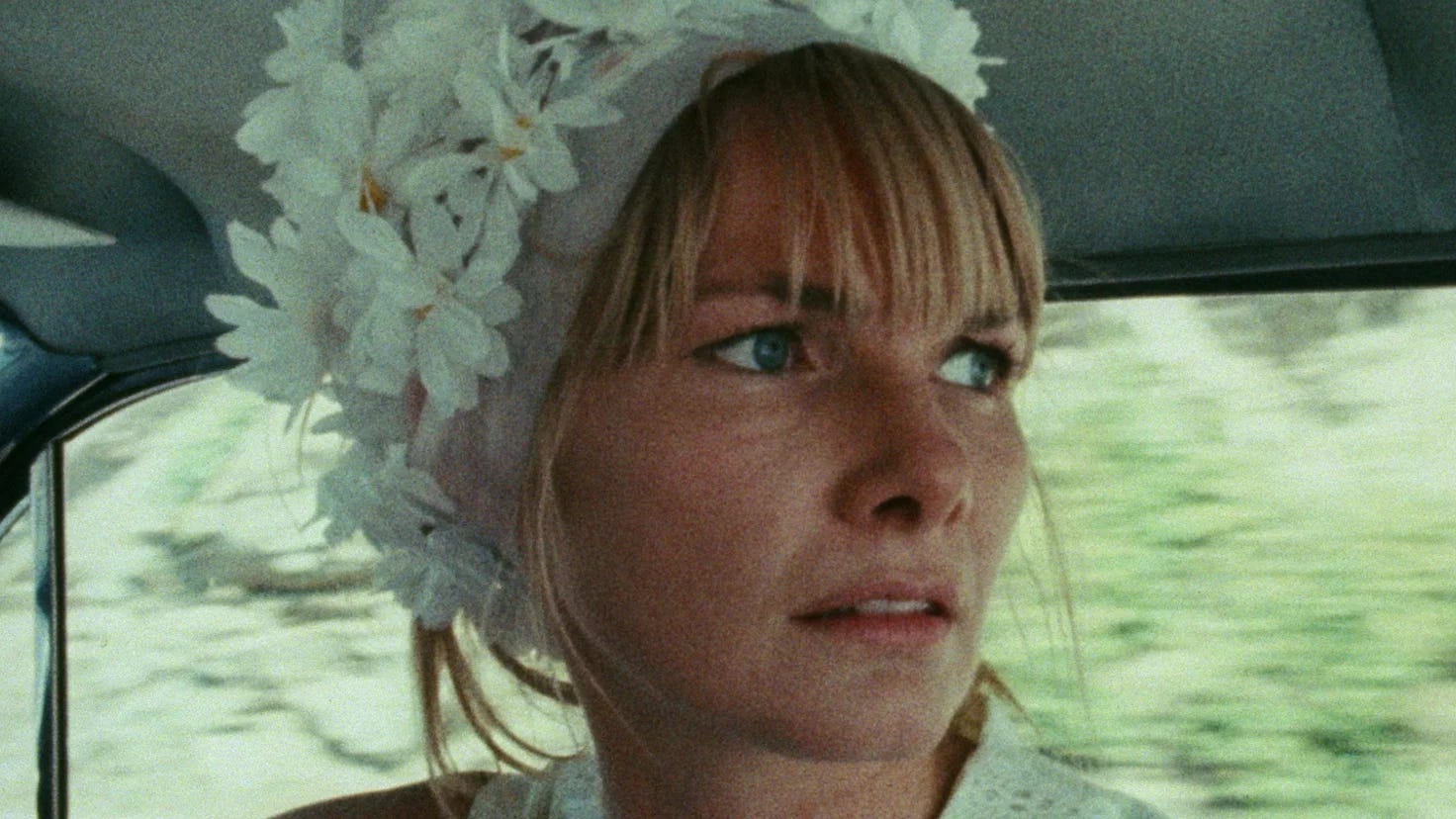
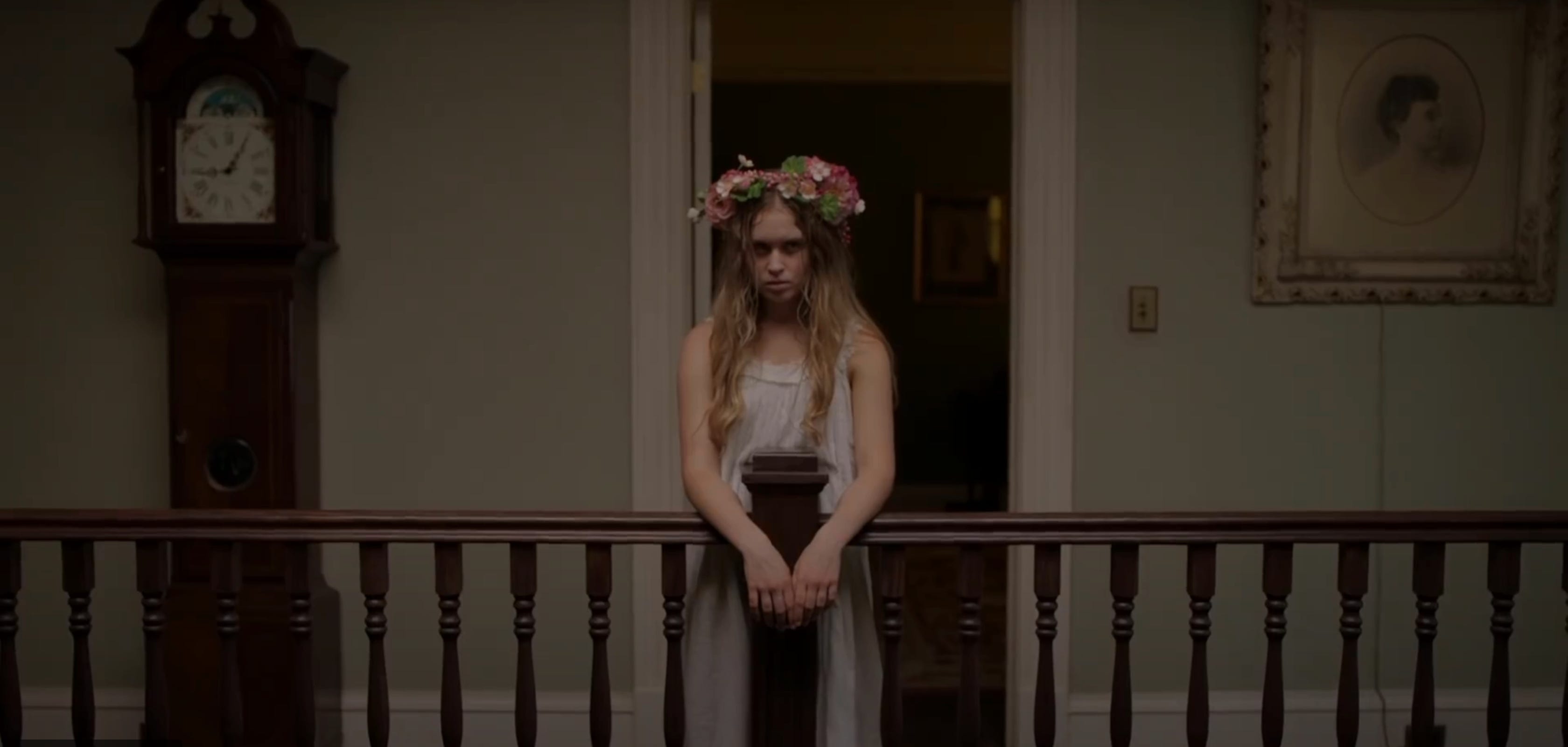
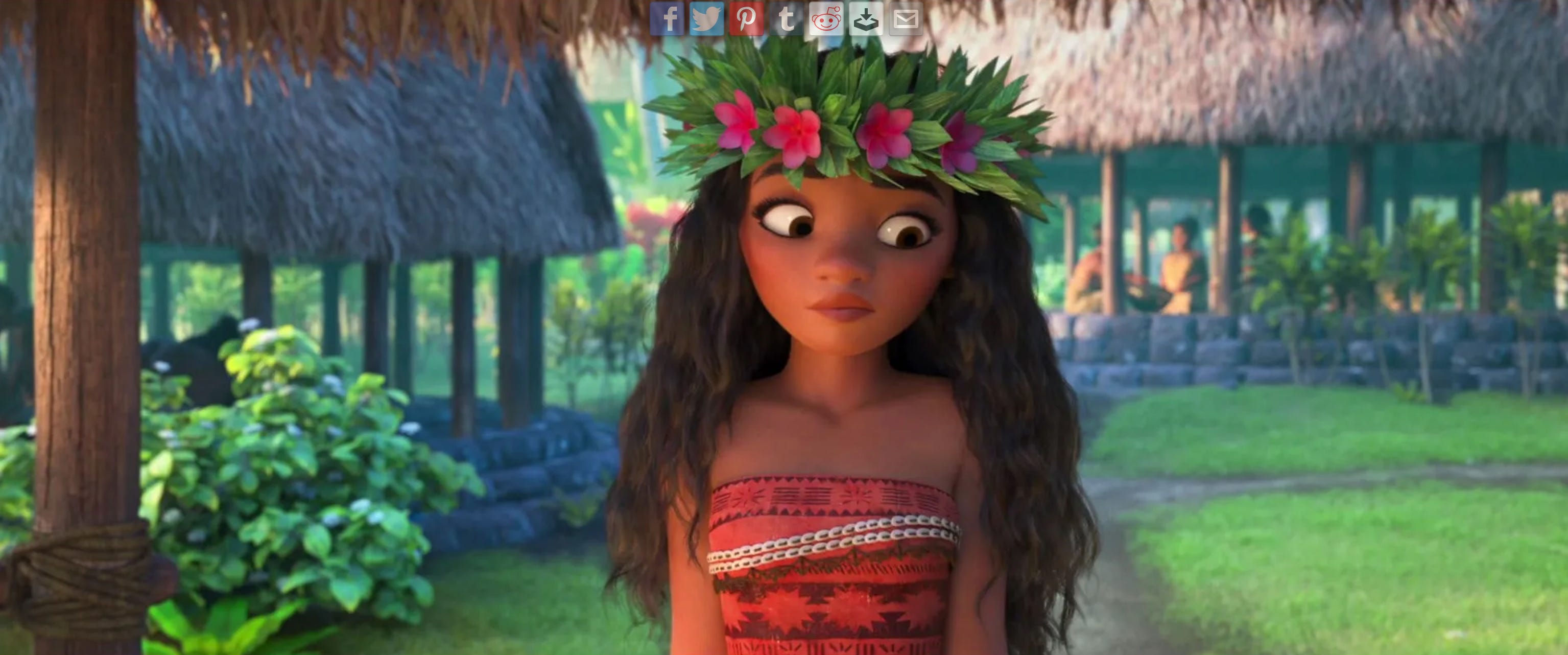
Artwork
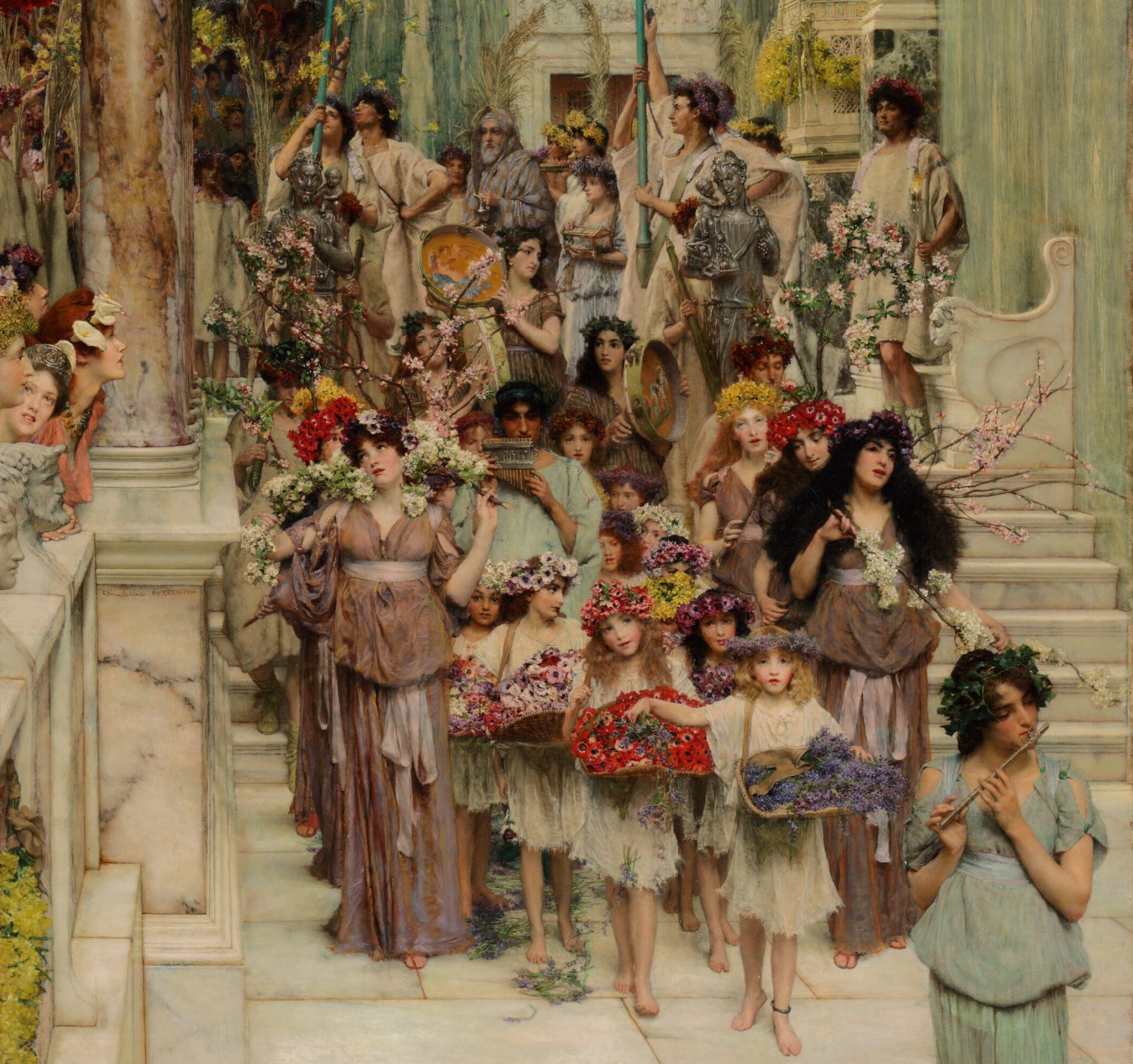
Barefoot young women and children adorned with flower crowns and playing musical instruments lead a procession through a city built of marble. Splashes of color, like the scarlet poppies and yellow daffodils, draw the eye across the canvas to explore the vibrant details of an ancient Roman festival, as meticulously reimagined by Dutch artist Lawrence Alma-Tadema.
It is unclear exactly which festival Alma-Tadema meant to depict, but the many references from ancient Rome all indicate a springtime celebration of fertility and abundance, perhaps most resembling Floralia, honoring Flora, goddess of flowers. British May Day traditions were also rooted in the Floralia festival and were revived during the 1800s to celebrate spring and nature in the face of rapid industrialization. On May 1, children decked themselves and their village with flowers, danced, and crowned a May Queen. Such celebrations and this painting’s imagery connected contemporary British society to ancient Rome, an empire and aesthetic that the British empire saw as its predecessor and aspired to.
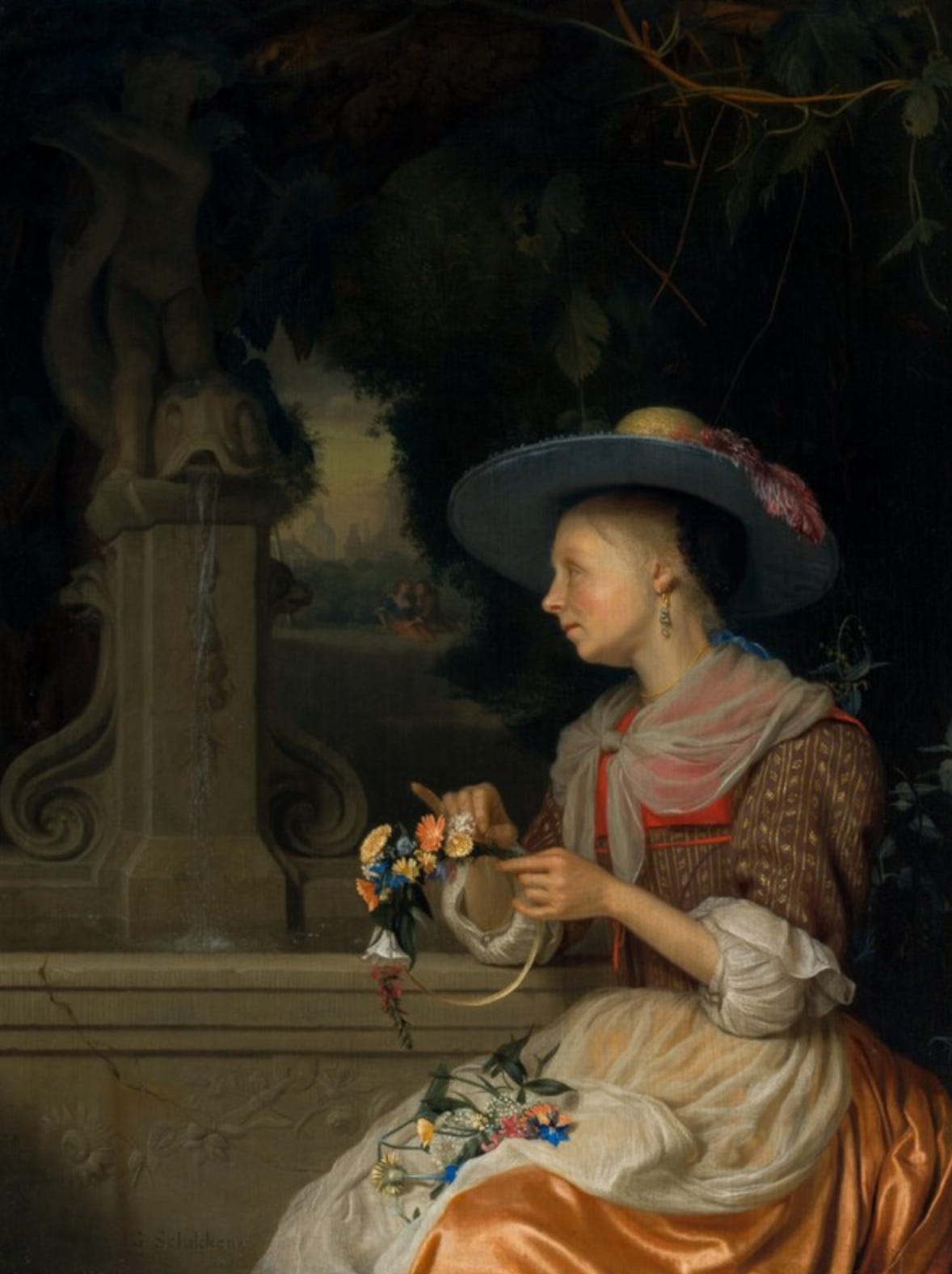
Woman Weaving a Crown of Flowers almost certainly alludes to the yearnings of a young woman for love and marriage. The crown of flowers refers to both of these themes, which are reinforced by the cupid atop the fountain and the young lovers in the distance. The crack in the stone base of the fountain nevertheless offers a warning that, over time, even the most solid foundation of love is fragile.
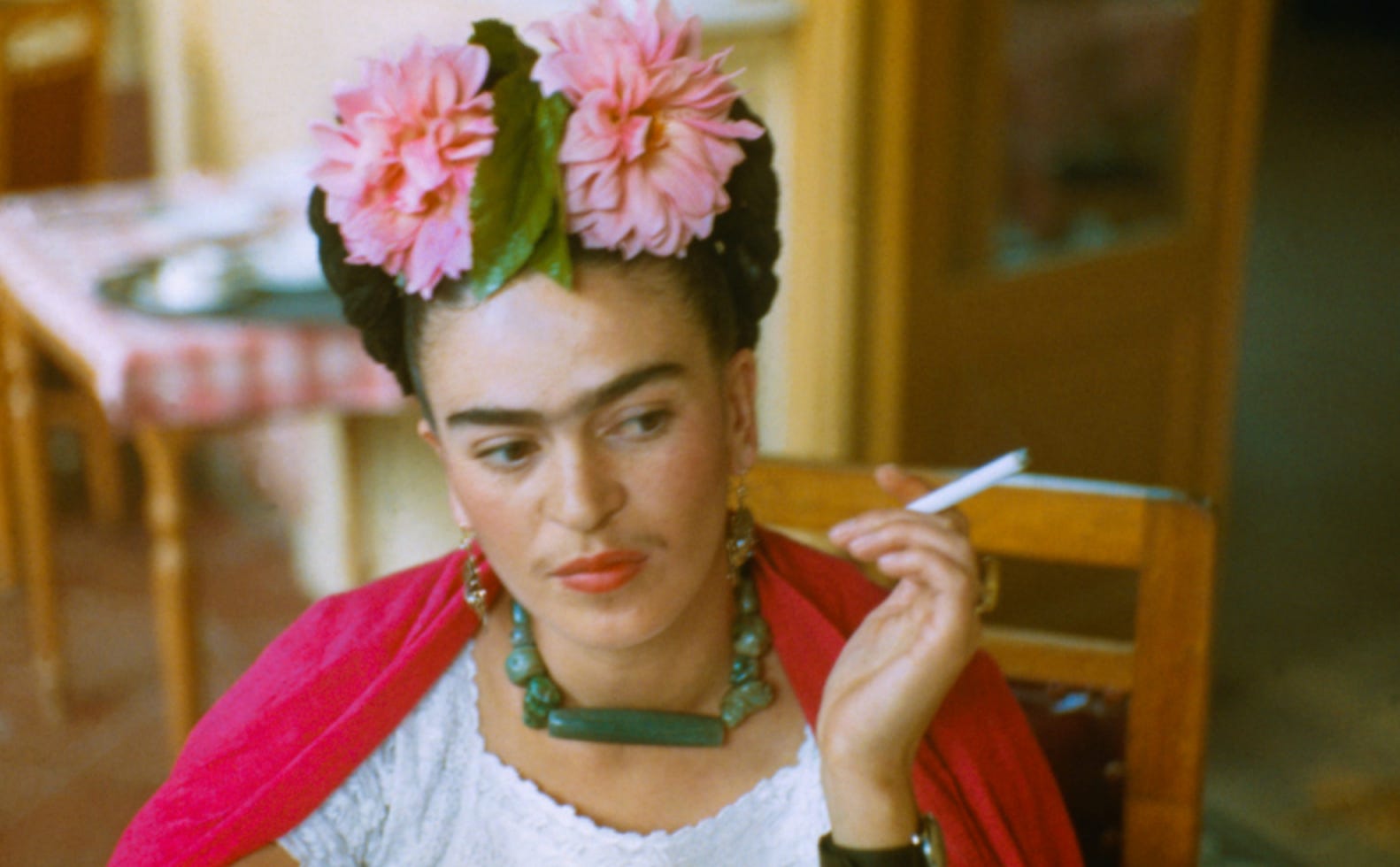

Misc
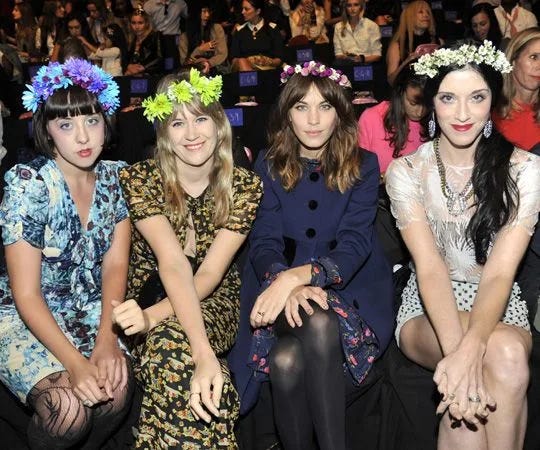


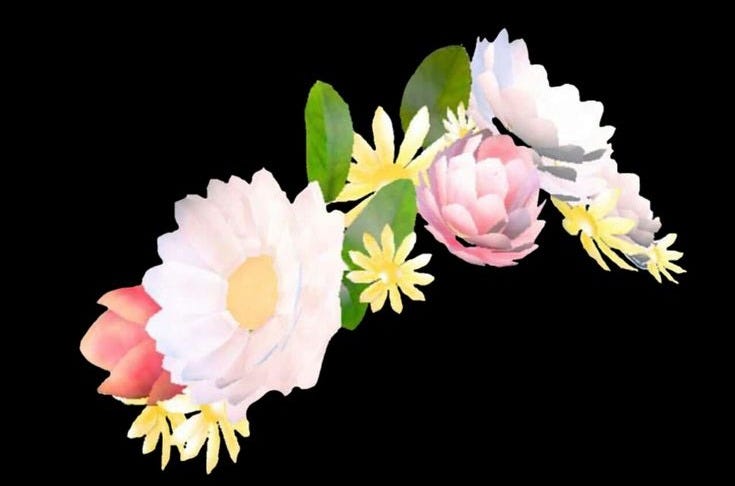
Lastly who remembers this Snapchat filter?
Love,
Iris
Thanks for reading! You can follow me on Instagram for more frequent posts about flowers in cinema. For collaborations or inquiries, my email is flowersincinema@gmail.com
Who would have thought there were so many flower crowns in films? Fascinating. Thank you for sharing.
thank you for this i really enjoyed reading this